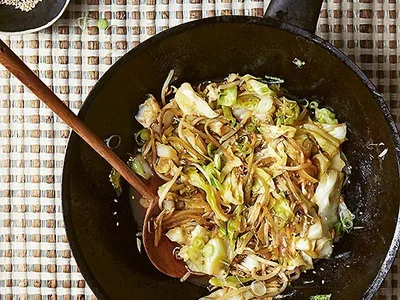
How to Stir Fry
Stir frying cooks bite-sized food quickly over intense heat while constantly moving it around the pan. The technique uses temperatures above 400F to create wok hei, that smoky char flavor you get at Chinese restaurants.
Why it matters
Stir frying preserves vegetable crunch while developing deep browning on proteins in under 5 minutes. The constant motion prevents burning while the high heat creates Maillard reactions that build complex flavors. Unlike sautéing, stir frying uses minimal oil and relies on the food's own moisture to create steam pockets. This method locks in nutrients that boiling or steaming would leach out.
What you need
Steps
Heat your empty wok over high heat for 2-3 minutes until a drop of water instantly vaporizes with a loud hiss. The metal should shimmer slightly. Add 2 tablespoons oil and swirl to coat, watching for thin wisps of smoke rising from the surface.
Add aromatics like garlic or ginger first, stirring for 10-15 seconds until you smell their fragrance but before they turn brown. The oil should bubble vigorously around each piece.
Push aromatics up the wok sides and add proteins in a single layer. Let them sear untouched for 30-45 seconds until the bottom develops golden-brown crust. You'll hear aggressive sizzling that gradually quiets as moisture evaporates.
Toss proteins every 20-30 seconds using a scooping motion from bottom to top. Add harder vegetables like carrots or broccoli stems when meat is 70% cooked, about 2 minutes in. Listen for the sharp crackle as each new ingredient hits the hot surface.
Add softer vegetables like bell peppers or snap peas when harder vegetables turn bright in color but still feel firm, usually after 1-2 minutes. Keep everything moving constantly. The wok should maintain its sizzle throughout.
Create a well in the center by pushing ingredients up the sides. Pour sauce mixture directly onto the hot metal, letting it bubble for 5 seconds before tossing everything together. The sauce should thicken within 30 seconds and coat ingredients with a glossy sheen.
Remove from heat when vegetables still have slight resistance when bitten and sauce clings without pooling. Total cooking time from first ingredient to plate should be 3-5 minutes. Garnish with sesame seeds or sliced scallions while the dish still steams.
Common Mistakes
Overcrowding the wok with more than 1.5 pounds of food
What happens: Temperature drops below 350F, causing ingredients to steam and release water instead of searing
Fix: Cook in batches, keeping finished portions warm in a 200F oven
Using wet vegetables straight from washing
What happens: Water creates steam that prevents browning and causes oil to splatter violently
Fix: Pat everything completely dry with paper towels and let sit 10 minutes before cooking
Moving food too frequently in the first 30 seconds
What happens: Proteins tear and vegetables release moisture before developing any caramelization
Fix: Let each ingredient sit undisturbed for at least 30 seconds after adding to build crust
Adding sauce too early when vegetables are still raw
What happens: Sauce burns while vegetables remain crunchy and underseasoned
Fix: Wait until vegetables are 80% cooked before adding any liquid seasonings
Troubleshooting
Food sticks to the pan despite using oil
Then: Your pan isn't hot enough. Heat empty wok until water droplets dance and evaporate in under 2 seconds, then add oil
Vegetables turn mushy before developing color
Then: Cut vegetables into larger pieces (1-inch minimum) and increase heat to maintain 400F+ throughout cooking
Sauce stays watery instead of coating ingredients
Then: Mix 1 teaspoon cornstarch per 1/4 cup liquid in your sauce, or cook 30 seconds longer to reduce moisture
Related Techniques
FAQ
Can I stir fry in a regular skillet instead of a wok?
Yes, use a 12-inch stainless steel or cast iron skillet. The flat bottom means you'll work in smaller batches of 12 ounces maximum to maintain 400F+ temperatures. Expect to add 30-60 seconds to cooking times since heat distribution differs from a wok's sloped sides. Choose a pan with 2-inch sides minimum to contain ingredients during tossing.
What's the best oil for stir frying?
Peanut oil withstands 450F temperatures without smoking and adds subtle nutty flavor. Grapeseed oil handles 420F and stays neutral. Avoid olive oil, which smokes at 375F and turns bitter. You need 2-3 tablespoons per pound of ingredients. Store oils in a cool, dark place and replace every 6 months once opened.
How small should I cut vegetables for stir frying?
Cut everything into pieces that cook in 2-3 minutes at 400F. That means 1/4-inch thick slices for quick-cooking items like mushrooms or zucchini. Dense vegetables like carrots need 1/8-inch diagonal cuts or matchsticks no thicker than a pencil. Broccoli florets should be 1-inch maximum. Uniform sizing ensures even cooking across all ingredients.
Why does restaurant stir fry taste different from homemade?
Restaurant burners reach 100,000+ BTUs while home stoves max out at 15,000 BTUs. This temperature difference of 200-300F creates wok hei, that characteristic smoky flavor. Compensate at home by heating your wok for 3 full minutes before adding oil, cooking in 8-ounce batches, and finishing each dish with 1 teaspoon sesame oil off heat. Some cooks even use a blowtorch for 5-10 seconds to add char.
Recipes Using This Technique
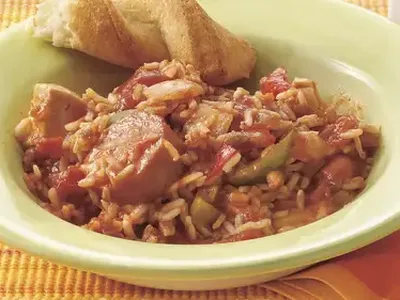
Easy Microwave Jambalaya with Kielbasa and Chicken
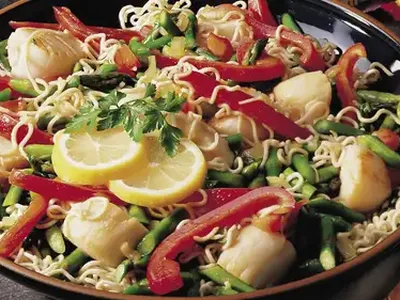
Oriental Scallop Stir-Fry with Ramen Noodles
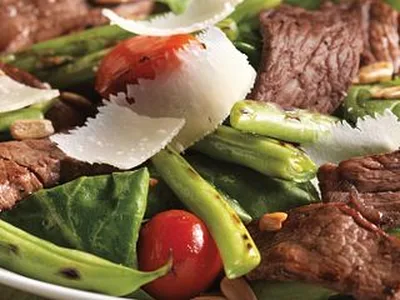
Pan-Seared Top Sirloin with Green Bean Tomato Salad
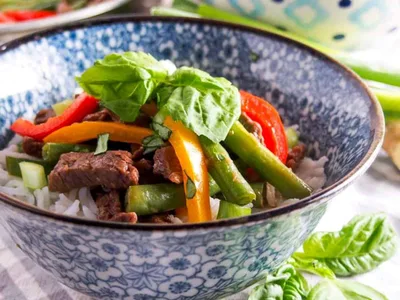
High-Heat Pepper Steak Stir Fry with Green Beans
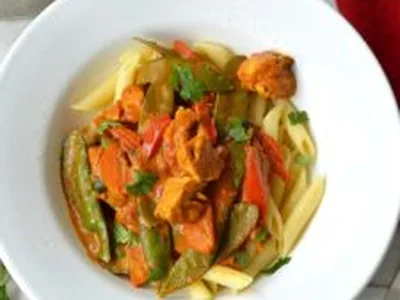
Tikka Masala Chicken Pasta with Cream Sauce