How to Make Risotto
Risotto is a method of cooking short-grain rice by adding hot liquid gradually while stirring constantly. The technique releases starch from the rice, creating a creamy sauce without cream.
Why it matters
This method produces rice with a unique texture: creamy outside, firm inside. Standard rice cooking traps steam in a covered pot. Risotto uses open-pan stirring and gradual liquid addition. You get control over texture and consistency that other rice methods can't match.
What you need
Steps
Heat 6 cups of stock in a 2-quart saucepan to 180F. Keep it at a bare simmer. Cold stock stops the cooking process. You want tiny bubbles around the edge, not a rolling boil.
Heat 2 tablespoons olive oil in your 4-quart saucepan over medium heat for 60 seconds. Add 1/2 cup diced onion. Cook 3-4 minutes until onion turns translucent but not brown. The onion should sound like gentle rain, not aggressive sizzling.
Add 1.5 cups arborio rice. Stir for 2 minutes until rice edges look translucent and grains smell toasted like popcorn. Each grain should be coated in oil. Rice temperature should reach 200F.
Pour in 1/2 cup white wine. It should hiss and bubble violently. Stir constantly until liquid absorbs, about 2 minutes. The pan bottom should be visible when you drag your spoon through.
Add hot stock one 4-ounce ladle at a time. Stir gently but constantly, scraping the pan bottom. Wait until each addition absorbs before adding more. Rice should always look like thick porridge, never dry, never soupy. Each ladle takes 2-3 minutes to absorb.
Continue adding stock for 18-25 minutes total. Test a grain between your teeth. It should feel creamy outside with a firm white speck in the center. Stop adding stock when texture feels right.
Remove from heat. Add 2 tablespoons cold butter and 1/2 cup grated parmesan. Stir vigorously for 30 seconds. The mixture should flow like lava when you shake the pan. Serve immediately on warmed plates.
Common Mistakes
Using cold stock
What happens: Temperature drops with each addition, making cooking time double to 45-50 minutes
Fix: Keep stock at 180F minimum throughout cooking
Stirring too aggressively
What happens: Rice breaks down into mush instead of maintaining individual grains
Fix: Stir gently in figure-8 pattern, folding rather than beating
Adding stock too quickly
What happens: Rice swims in liquid and won't release proper starch
Fix: Wait until spoon dragged across pan bottom leaves a clear trail for 2 seconds
Cooking on high heat
What happens: Outside overcooks while center stays crunchy
Fix: Maintain medium heat at 325F surface temperature
Troubleshooting
if risotto turns gluey and sticky
Then: add 1/4 cup hot stock and fold gently without stirring for 30 seconds
if rice stays crunchy after 25 minutes
Then: increase heat slightly and add stock in smaller 2-ounce portions
if finished risotto stiffens while plating
Then: add 2 tablespoons hot stock and shake pan vigorously to loosen
Related Techniques
FAQ
Can I use regular long-grain rice?
Long-grain rice lacks the starch content needed for proper risotto. Arborio contains 19-21% amylose starch versus 22-23% in long-grain. This 2% difference means long-grain won't release enough starch to create the signature creamy texture. Carnaroli or vialone nano rice also work, both with 20-22% amylose content.
Do I really need to stir constantly?
Yes, but not aggressively. Stirring every 30-45 seconds prevents sticking and ensures even starch release. Professional kitchens sometimes use a risotto machine that stirs at 40 RPM. Your stirring creates friction that releases starch from rice surfaces. Without it, you get unevenly cooked rice with a thin broth instead of creamy sauce.
How much liquid do I need total?
Plan on 3.5 to 4 cups of liquid per cup of rice. A standard 1.5 cup rice portion needs 5-6 cups stock total. Temperature, pan width, and heat level affect absorption rate. Wide pans evaporate more, requiring up to 25% extra liquid. Always heat 1 cup more stock than you think you need.
What's the best pan size for risotto?
Use a pan where 1.5 cups dry rice creates a layer 3/4 to 1 inch deep. In a 4-quart saucepan with 8-inch diameter, this works perfectly. Too shallow means rapid evaporation. Too deep means uneven cooking. The rice-to-pan ratio affects stirring efficiency and starch release rate by approximately 15%.
Recipes Using This Technique
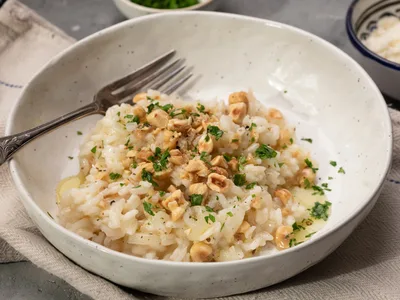
Buttery Hazelnut Risotto with Toasted Nuts
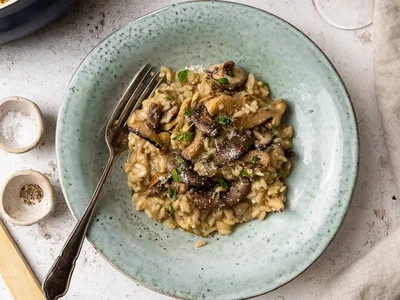
Creamy Risotto with Roasted Garlic and Sautéed Mushrooms
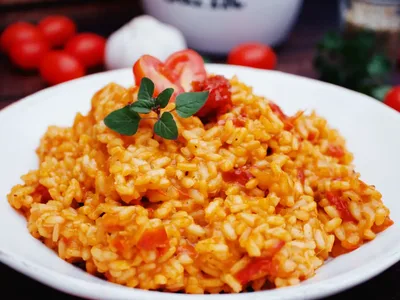
Creamy Tomato Risotto with Sun-Dried Tomatoes
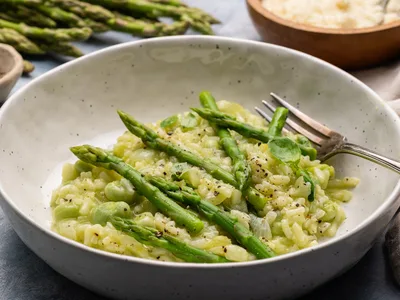
Garden Fresh Asparagus and Broad Bean Risotto

Pancetta and Risotto Stuffed Tomatoes