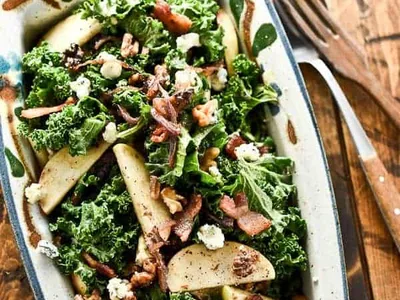
How to Render Fat
Rendering fat means melting solid animal fat into liquid oil while crisping the remaining protein bits. You cook bacon, duck skin, or pork belly slowly at 275F to 325F until the fat liquefies and the solids turn golden brown.
Why it matters
Rendering extracts 80% to 90% of the fat from meat, creating two products: liquid cooking fat and crispy protein bits. The fat has a smoke point of 375F to 400F, higher than butter's 250F. You get bacon that stays crispy for 2 hours instead of going limp in 10 minutes. Duck breast skin turns into crackling instead of rubber.
What you need
Steps
Cut bacon into 1-inch pieces or score duck skin in a crosshatch pattern every half inch. Start with a cold pan. No oil needed. Place meat fat-side down in a single layer with pieces barely touching.
Turn heat to medium-low, about 275F to 300F surface temperature. Listen for gentle sizzling within 2 minutes. Fat should bubble slowly around edges, not spatter violently. Adjust heat if sizzling sounds aggressive.
Cook without moving for 5 to 7 minutes. White fat turns translucent as it melts. Edges start browning. Pools of clear liquid fat collect in the pan. The smell changes from raw meat to toasted nuts.
Flip pieces when bottom side is mahogany brown and fat looks 60% rendered. Use splatter screen as grease pops more now. Continue cooking 4 to 6 minutes until second side matches the first.
Check crispness by lifting a piece and tapping with your spatula. It should sound hollow, not soft. Internal fat pockets should look dry, not glossy. Total time ranges from 12 to 18 minutes depending on thickness.
Remove crispy bits to paper towels. Pour hot fat through fine mesh strainer into glass jar, leaving 1 inch headspace. Fat solidifies white at room temperature in 2 hours. Refrigerate up to 3 months or freeze up to 1 year.
Common Mistakes
Starting with a hot pan
What happens: Exterior burns while interior fat stays unrendered, creating chewy bacon
Fix: Always start cold and let temperature rise gradually to 275F
Cooking at temperatures above 350F
What happens: Proteins burn before fat renders, leaving 40% of fat trapped inside
Fix: Keep surface temperature between 275F and 325F using an infrared thermometer
Flipping too early or too often
What happens: Fat doesn't render evenly, creating soft spots that never crisp
Fix: Wait until edges are mahogany brown and fat pools measure 1/8 inch deep
Overcrowding the pan
What happens: Temperature drops below 250F, causing steaming instead of rendering
Fix: Leave 1/4 inch between pieces and work in batches for anything over 8 ounces
Troubleshooting
Fat smokes and turns brown instead of staying clear
Then: Reduce heat to 250F and add 2 tablespoons water to cool pan, then strain immediately through coffee filter
Bacon curls up and cooks unevenly
Then: Press down with bacon press or second heavy skillet for first 3 minutes until fat starts pooling
Rendered fat tastes burnt or acrid
Then: Discard batch and start over at 25F lower temperature, checking every 2 minutes with thermometer
Related Techniques
FAQ
Can I render fat in the oven instead of stovetop?
Yes, use a rimmed baking sheet at 300F for 20 to 25 minutes. Flip once at the 12-minute mark when edges turn brown. The oven method renders 10% less fat than stovetop but requires less attention. Expect 3 tablespoons of fat per 4 ounces of bacon versus 3.5 tablespoons on stovetop.
What's the difference between rendering pork fat and duck fat?
Duck fat renders at 275F in 15 to 20 minutes while pork fat needs 300F to 325F for 12 to 18 minutes. Duck fat has a smoke point of 375F compared to pork's 370F. You'll extract 2 tablespoons of fat from a 6-ounce duck breast versus 3 tablespoons from 4 ounces of pork belly.
How do I know when fat is fully rendered?
Fully rendered pieces shrink by 40% to 50% and weigh 60% less than raw. They sound hollow when tapped and shatter when bent. The fat should measure 1/8 to 1/4 inch deep in the pan. Internal temperature reaches 340F to 350F when done. Any remaining white pockets indicate another 2 to 3 minutes of cooking needed.
Can I reuse bacon fat mixed with other rendered fats?
Mix fats only if their smoke points stay within 25F of each other. Bacon fat at 370F mixes well with duck fat at 375F or lard at 374F. Never mix with chicken fat at 340F. Label mixed fats with the lowest smoke point. Use within 2 months refrigerated as mixed fats spoil 30% faster than pure fats.
Recipes Using This Technique
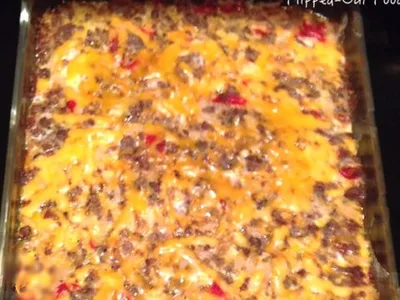
Sausage Potato Breakfast Casserole with Peppers
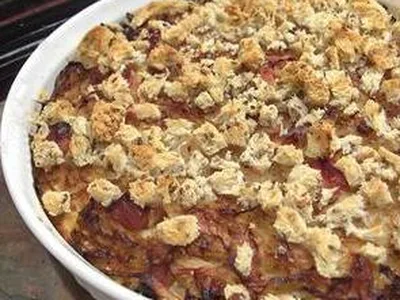
Cabbage and Bacon Bake with Breadcrumb Topping
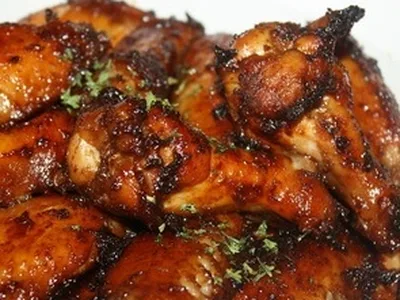
Easy Grilled Asian Miso Chicken Wings with Garlic
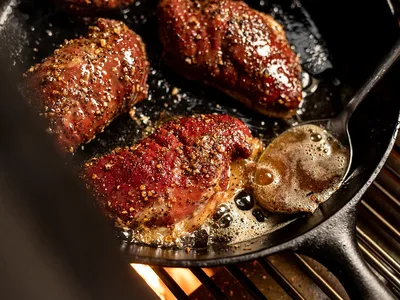
Reverse Seared Duck Breasts with Honey Mustard
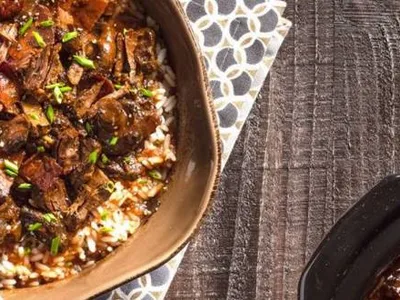
Slow Cooker Asian-Style Beef Stew with Crispy Beef Fry