Nut-Free Recipes
8,731 recipes
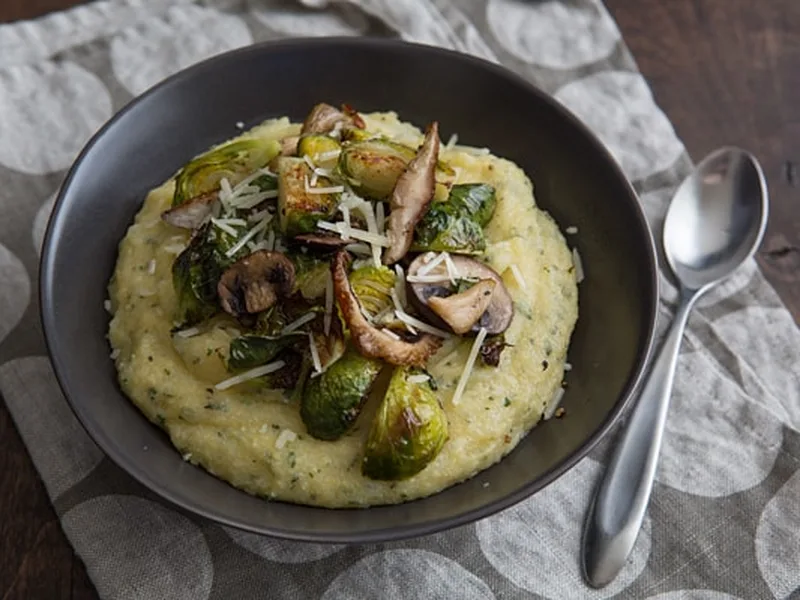
Sage Parmesan Polenta Bowls with Roasted Brussels Sprouts
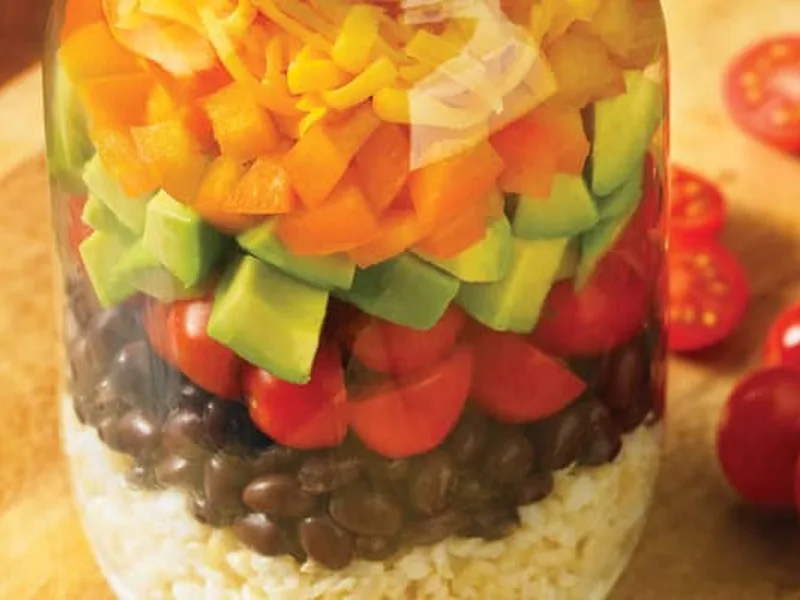
Santa Fe Rice Bowl with Black Beans and Avocado
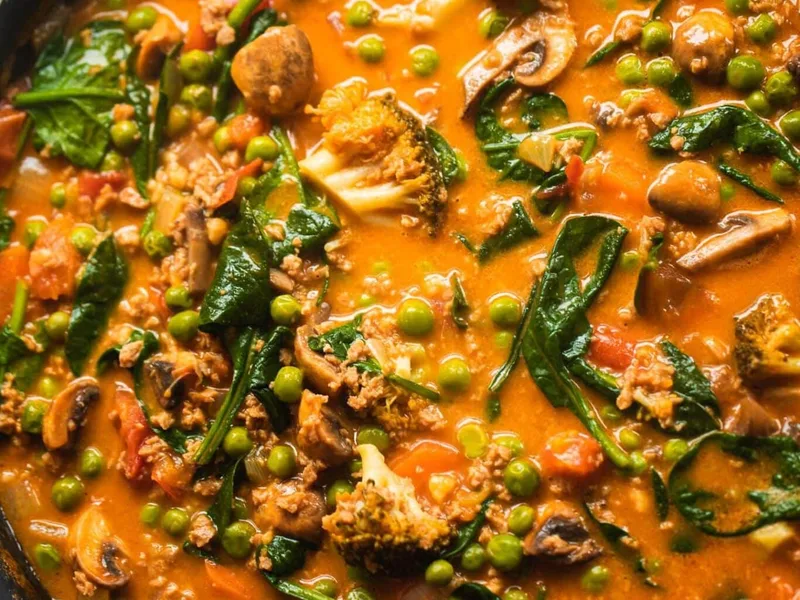
Hearty Vegetable and Pea Stew with TVP and Coconut Milk

Spinach Artichoke Mini Quiche with Crispy Wonton Crusts
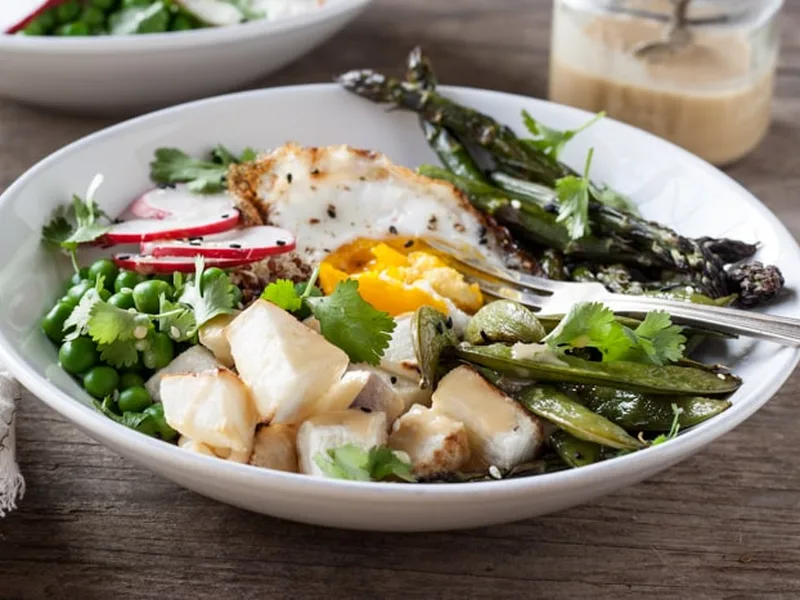
Spring Nourish Bowls with Ginger-Miso Dressing Recipe
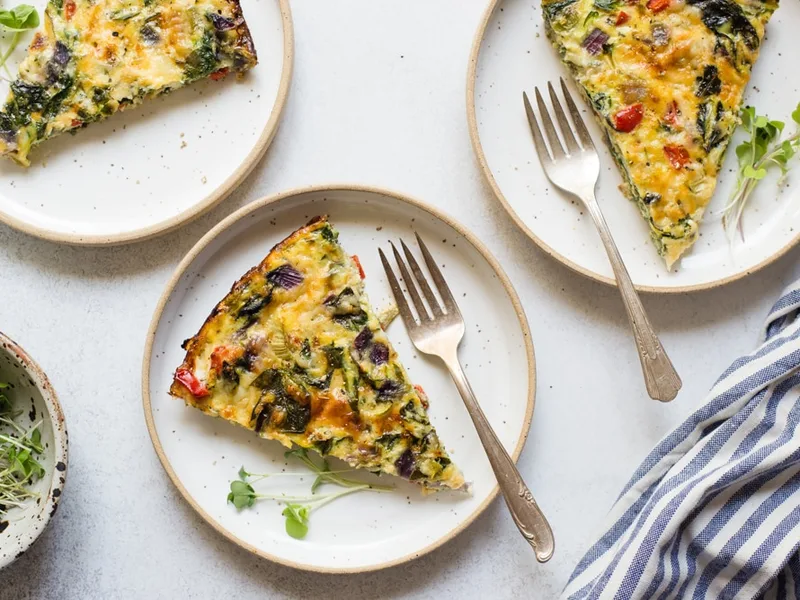
Summer Vegetable Egg Bake with Swiss Chard and Cheddar
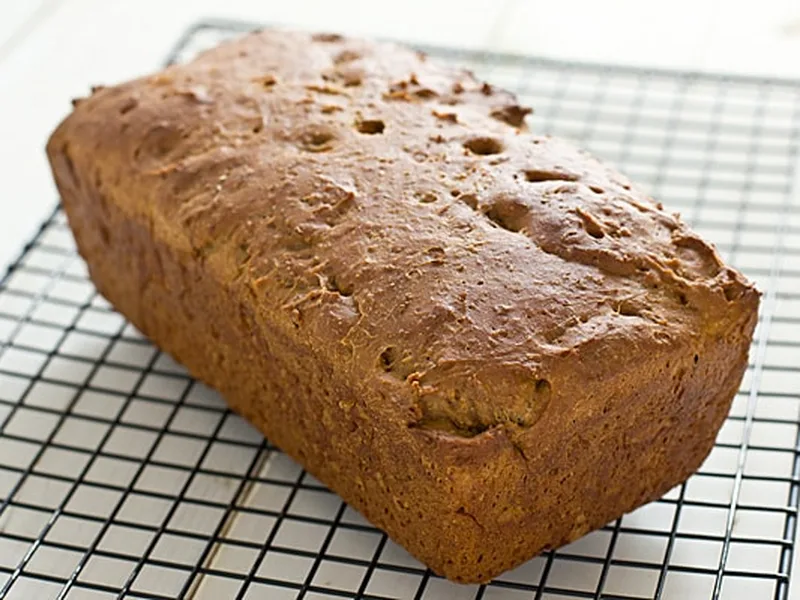
No-Knead Whole Wheat Sandwich Bread with Orange and Molasses
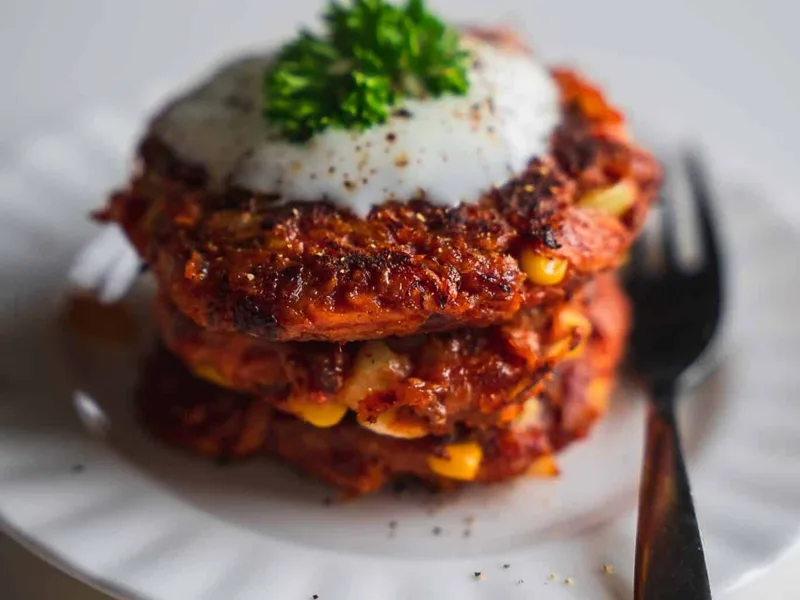
Crispy Vegan Sweet Potato Fritters with Flax Egg
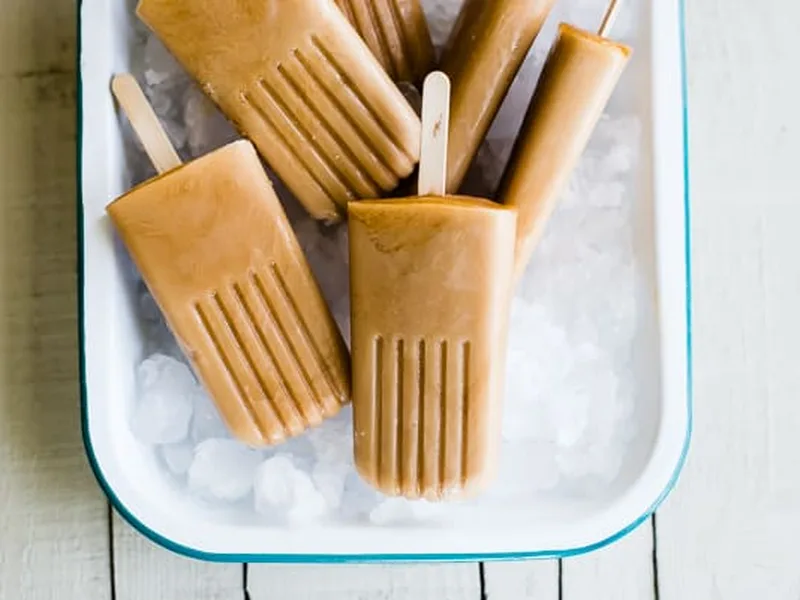
Thai Iced Tea Popsicles with Coconut Milk and Black Tea
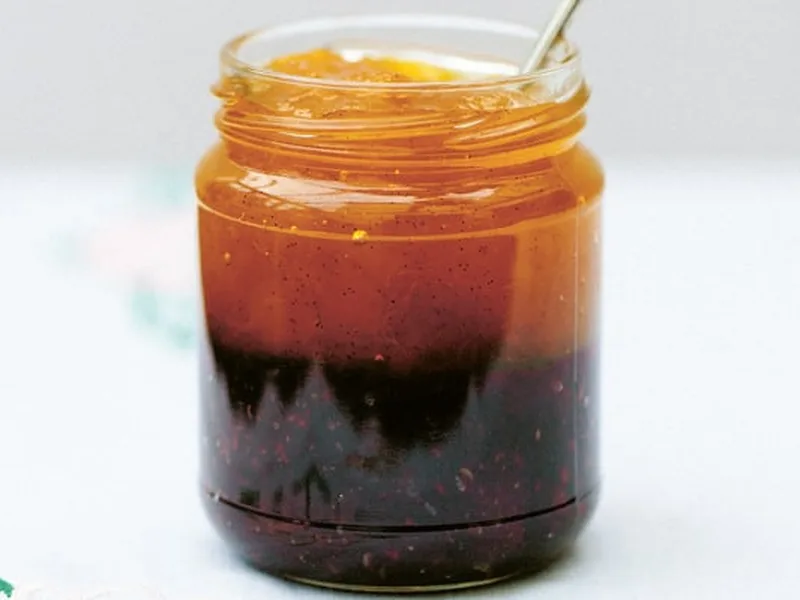
Two-Tone Peach and Blackberry Jam with Classic Pectin
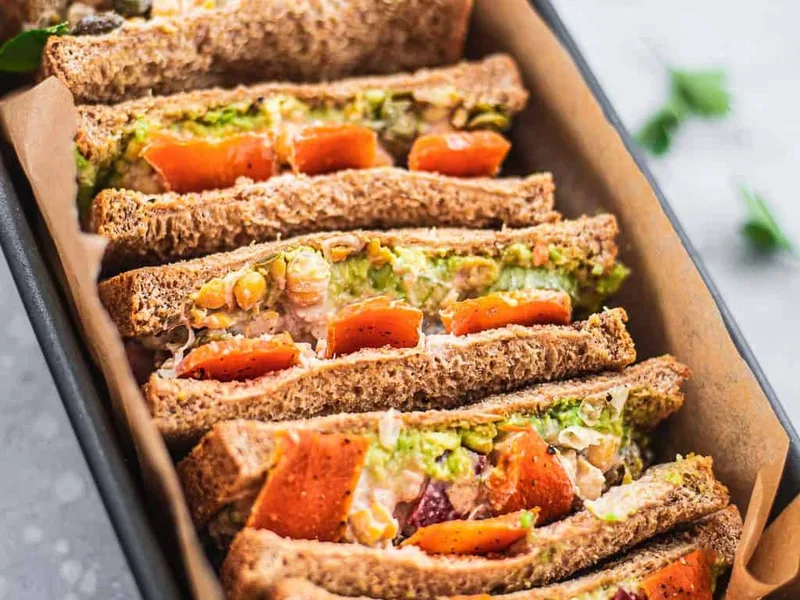
Vegan Chickpea Salad Sandwich with Roasted Carrots
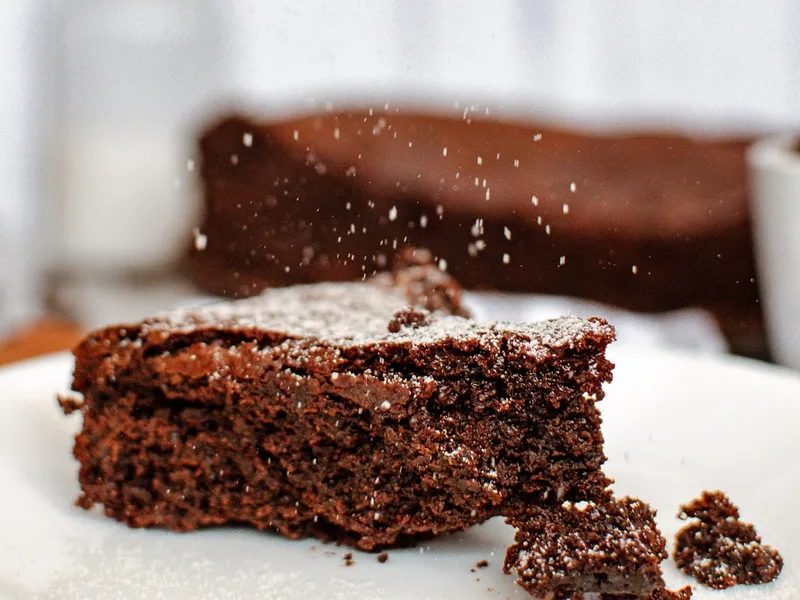
Vegan Flourless Chocolate Cake with Chickpea Flour
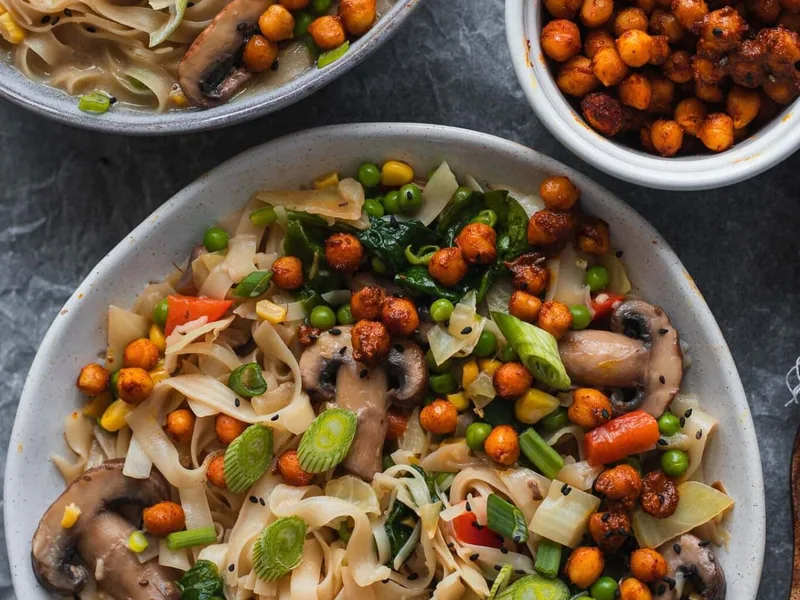
Asian-Style Rice Noodle Soup with Roasted Chickpeas
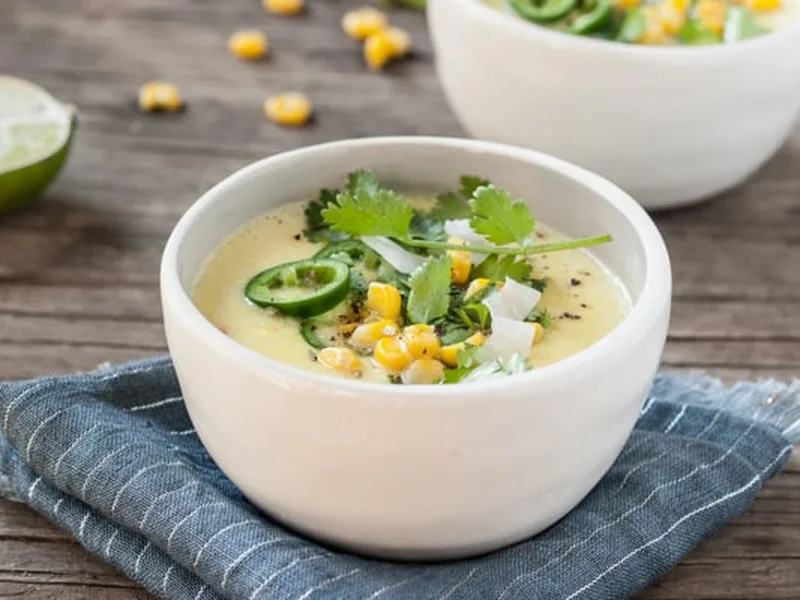
Sweet Corn Coconut Milk Chowder with Lime and Cilantro
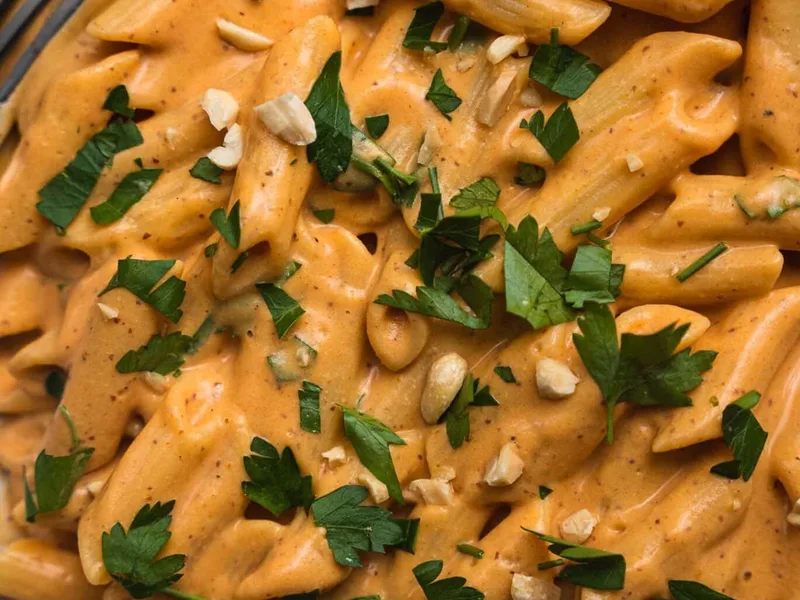
Creamy Vegan Sweet Potato Pasta with Roasted Garlic Sauce
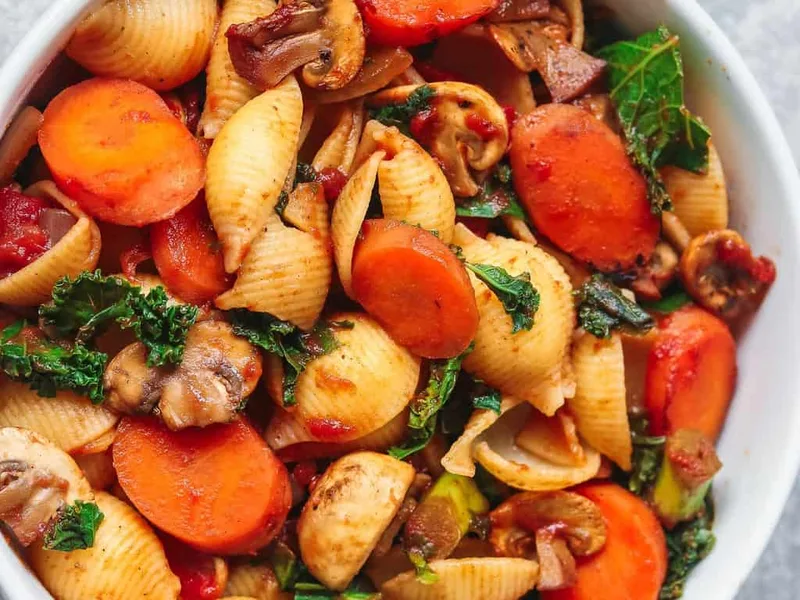
Vegan Gluten-Free Mushroom Pasta with Kale and Tomatoes
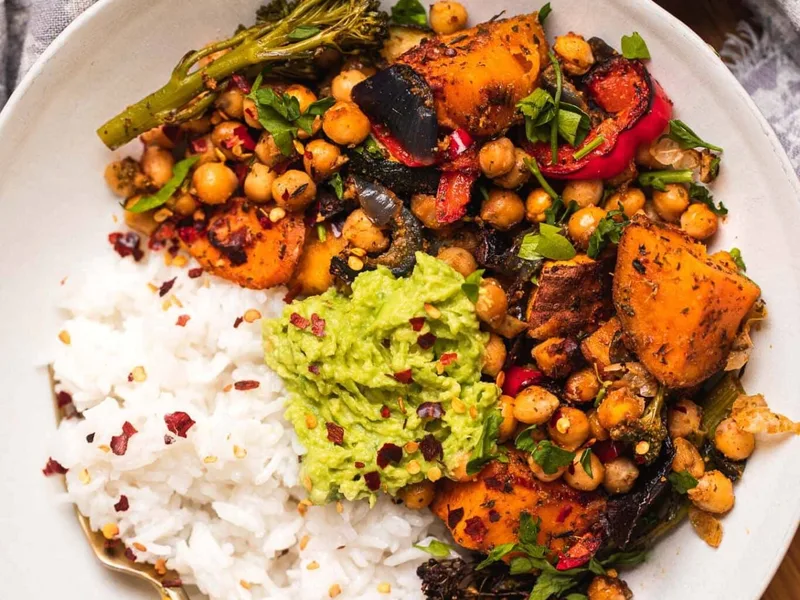
Roasted Vegetable and Chickpea Sheet Pan Dinner
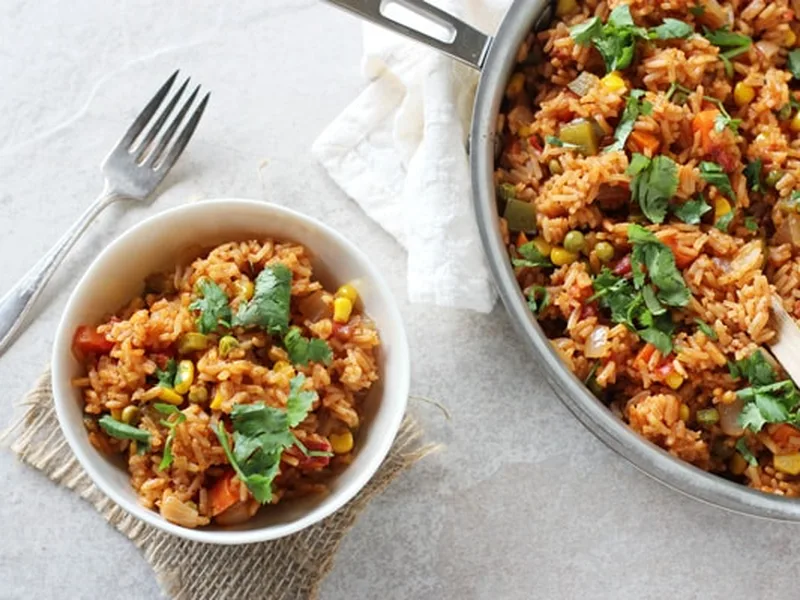
Veggie-Packed Spanish Rice with Cumin and Chili Powder

Vanilla White Chocolate Pot de Creme with Honey Roasted Figs

Amish Molasses Cookies - Soft Chewy Traditional Recipe

Creamy Three-Cheese Macaroni with White Cheddar and Romano
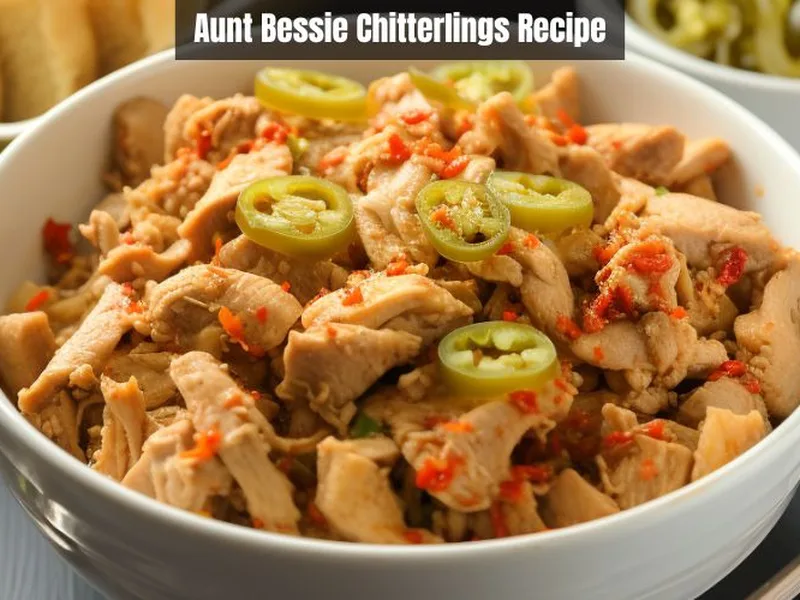
Slow-Simmered Southern Chitterlings with Garlic and Red Pepper
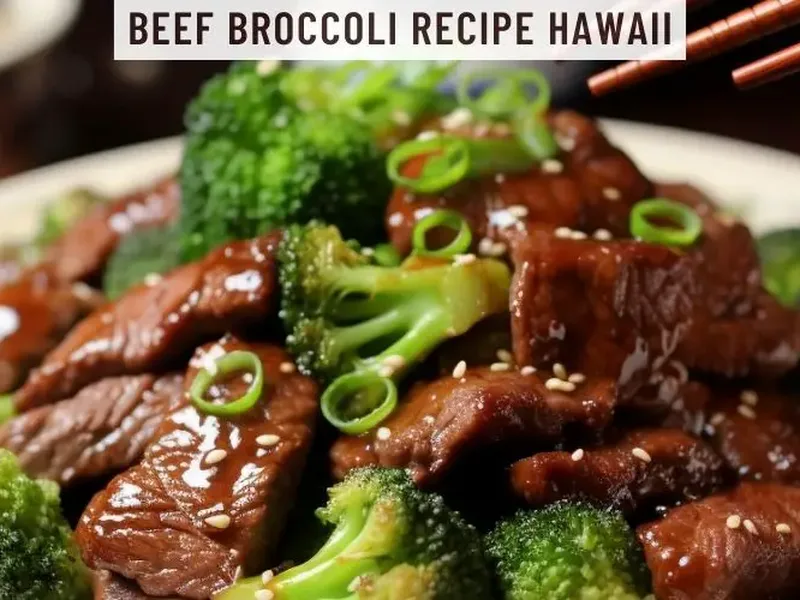
Hawaiian Beef Broccoli with Shoyu Glaze

Cajun Shrimp Mac and Cheese with Four Cheeses
Cooking nut-free means avoiding all tree nuts and peanuts, which show up in more places than you might think. Tree nuts include almonds, cashews, walnuts, pecans, pistachios, macadamias, Brazil nuts, and hazelnuts. Peanuts are technically legumes but get grouped with tree nuts for allergy purposes. People following a nut-free diet check labels for hidden sources like almond extract, marzipan, praline, and nut oils. Cross-contamination matters too. Many chocolate chips, granolas, and baked goods are processed on equipment that also handles nuts. Look for products labeled "processed in a nut-free facility" when it matters. The good news is that seeds like sunflower, pumpkin, and sesame are usually safe alternatives. Sunflower seed butter works as a 1:1 swap for peanut butter in most recipes. Tahini replaces almond butter in sauces and dressings. For baking, replace almond flour with oat flour using a 1.25:1 ratio, or use coconut flour at a 1:4 ratio plus extra liquid. Common hidden sources include pesto (often contains pine nuts or walnuts), some barbecue sauces, Asian dishes that use peanut oil or ground peanuts, and granola bars. Restaurant desserts frequently contain almonds or hazelnuts even when not listed on the menu. Breakfast cereals, crackers, and cookies often have trace amounts from shared equipment. Your kitchen becomes simpler without nut butters and nut flours taking up space. Stock up on seeds, coconut products, and dairy-based proteins instead. Most traditional baking recipes work perfectly without nuts. Classic chocolate chip cookies, vanilla cakes, and fruit pies are naturally nut-free. For protein, focus on eggs, dairy, beans, and meat. A dozen eggs costs under $4 and provides quick meals all week. Greek yogurt packs 20g protein per cup. Coconut products add richness without nuts. Coconut milk works in curries and smoothies. Shredded coconut replaces chopped nuts in granola or cookies. Coconut oil substitutes for recipes calling for walnut or almond oil.
Quick Start
Start with sunflower seed butter as your peanut butter replacement. SunButter and other brands taste similar and work identically in recipes. Keep pepitas and sunflower seeds on hand for snacking and salad toppings. Buy them raw in bulk for $4-6 per pound and roast small batches at 350°F for 8-10 minutes. Learn to read labels for hidden nuts. Words like "natural flavoring" can include nut extracts. Call manufacturers when labels say "produced in a facility that also processes tree nuts" to understand their cleaning protocols. Make your own trail mix with 2 cups mixed seeds, 1 cup raisins, 1/2 cup coconut flakes, and 1/2 cup dairy-free chocolate chips for a safe portable snack.
Pantry Staples
Direct 1:1 replacement for peanut butter in sandwiches, smoothies, and baking. Stores 6 months in pantry, 9 months refrigerated.
Sesame seed paste for hummus, dressings, and sauces. Replaces almond butter in many recipes. Keeps 12 months unopened.
Use 1/4 cup coconut flour for every 1 cup almond flour, plus add 1 extra egg per 1/4 cup. Absorbs liquid fast.
Make your own by grinding rolled oats 60 seconds in a blender. Use 1.25 cups to replace 1 cup almond flour.
Raw or roasted for snacking, salads, granola. Toast 5 minutes at 350°F. Store 6 months in airtight container.
3 tablespoons provides 10g protein. Sprinkle on yogurt, oatmeal, salads. Refrigerate after opening, use within 3 months.
Solid below 76°F, liquid above. Replaces nut oils in baking and cooking. Virgin has coconut flavor, refined is neutral.
Safe alternative to nut-containing granolas. Check that brand processes in nut-free facility. Use in bars, toppings, snack mixes.
High protein flour for pancakes, fritters, batters. Mix 1:1 with water for egg substitute in vegan baking. Keeps 8 months sealed.
Look for mixes with just seeds, dried fruit, and chocolate chips. Make your own with 2 cups seeds, 1 cup raisins, 1/2 cup mini chocolate chips.
Full-fat canned for curries and desserts. Light version for smoothies. Shake can before opening. Refrigerate unused portion 4 days.
Pure vanilla extract is nut-free. Avoid almond extract or blends. Check imitation vanilla for nut-derived ingredients.
Watch Out For
Includes almonds, cashews, walnuts, pecans, pistachios, macadamias, Brazil nuts, hazelnuts, pine nuts. Even tiny amounts can cause reactions.
Peanut oil, almond oil, walnut oil, hazelnut oil, and all nut butters contain proteins that trigger allergies.
Made from ground almonds and sugar. Common in European desserts, holiday cookies, and cake decorations.
Traditional pesto contains pine nuts, many versions use walnuts or cashews. Make your own with just basil, garlic, olive oil, and parmesan.
Praline contains pecans or almonds. Nougat often has almonds, pistachios, or hazelnuts mixed in.
Even products without visible nuts often have traces from shared equipment. Read labels for "may contain" warnings.
Almond flour, cashew flour, and hazelnut flour are ground nuts. Replace with oat, coconut, or rice flour.
Almond extract, Amaretto, Frangelico, and some coffee flavorings contain nut proteins. Pure vanilla and lemon extracts are safe.
FAQ
Can people with nut allergies eat coconut?
Coconut is technically a fruit, not a tree nut. The FDA classifies it as a tree nut for labeling, but most people with tree nut allergies can safely eat coconut. About 1 in 40 people with tree nut allergies also react to coconut. Ask your allergist about testing. Start with small amounts like 1 teaspoon coconut oil or 2 tablespoons shredded coconut if trying for the first time.
What seeds are safe alternatives to nuts?
Sunflower seeds, pumpkin seeds (pepitas), hemp hearts, chia seeds, flax seeds, and sesame seeds are all safe. Sunflower and pumpkin seeds work best for snacking and replace nuts in recipes at a 1:1 ratio. Hemp hearts add 10g protein per 3 tablespoons. Chia seeds absorb 10x their weight in liquid. Ground flax mixed with 3 parts water replaces eggs in baking.
How do I replace nut flours in baking?
For every 1 cup almond flour, use 1.25 cups oat flour, or 1 cup all-purpose flour minus 2 tablespoons, or 1/4 cup coconut flour plus 1 extra egg and 1/4 cup more liquid. Oat flour keeps the moist texture. All-purpose flour makes things lighter but drier. Coconut flour needs the extra moisture because it absorbs 4x more liquid than almond flour. Test your substitution with a small batch first.
Are seeds processed on the same equipment as nuts?
Major seed companies like Bob's Red Mill and Gerbs process seeds in dedicated nut-free facilities. Generic store brands often share equipment. Look for "processed in a peanut and tree nut free facility" on the package. Whole Foods 365 brand and Trader Joe's label their seed products clearly. When buying bulk bins, ask staff about their allergen protocols since nuts and seeds often sit in adjacent bins with shared scoops.