Greek Recipes
68 recipes
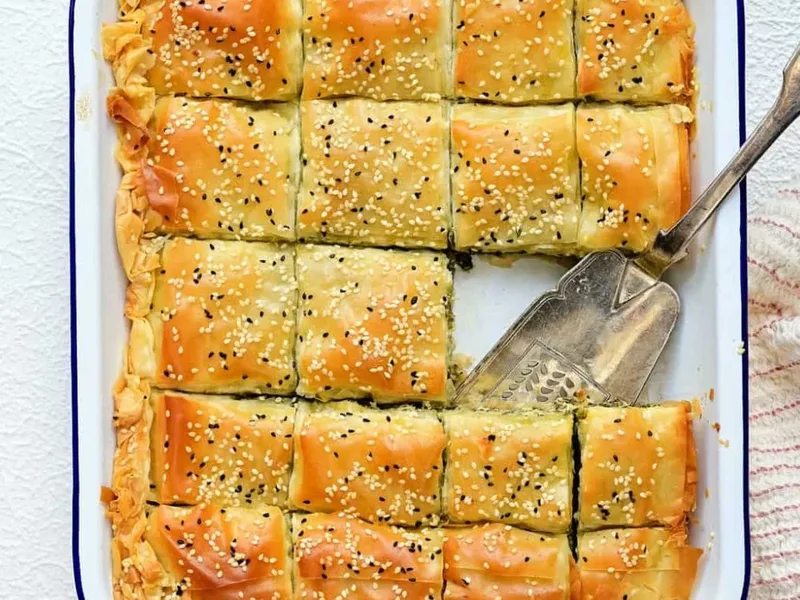
Greek Spanakopita with Feta and Ricotta in Flaky Phyllo
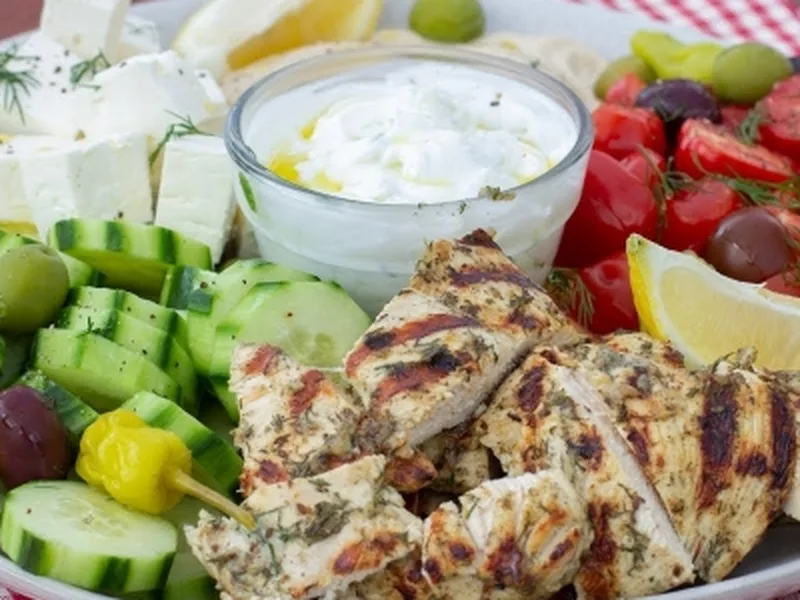
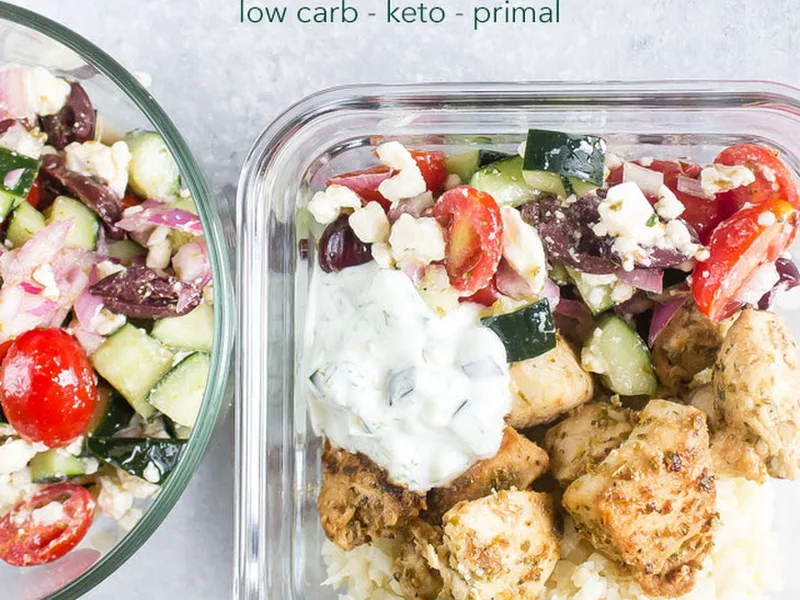
Greek Marinated Grilled Chicken with Herbs and Lemon
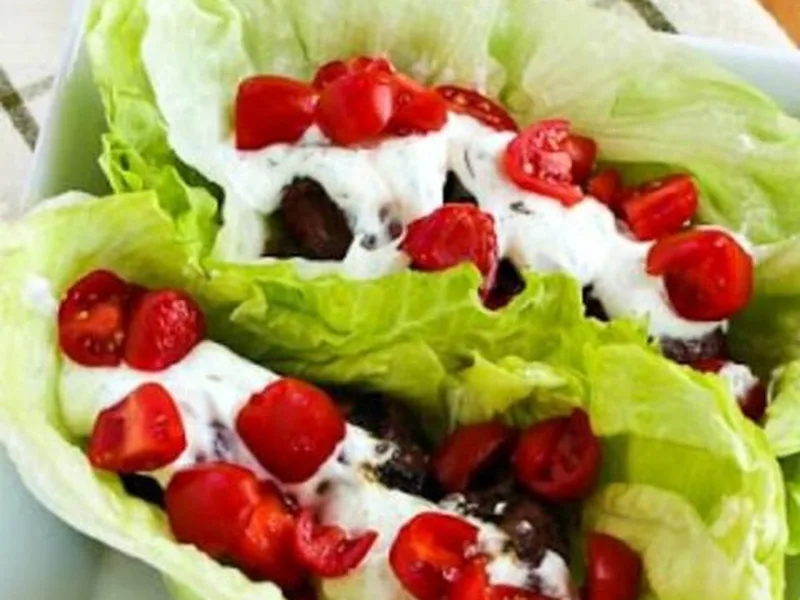
Ground Beef Gyro Meatball Lettuce Wraps

Greek Layered Dip with Crispy Baked Pita Chips
Greek food relies on olive oil, lemon, and herbs. That's it.
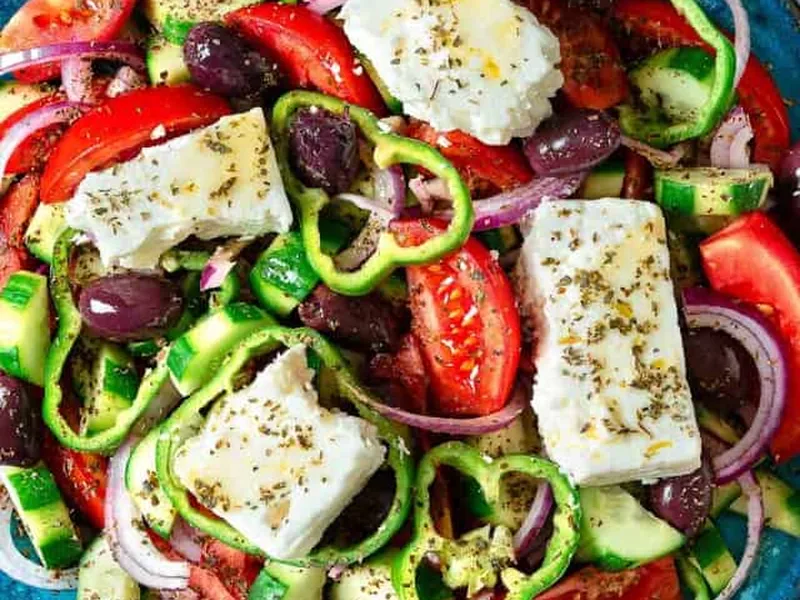
You'll use olive oil in 90% of dishes, from morning eggs to midnight snacks. Real Greek cooking means pouring it generously, not drizzling. A proper horiatiki salad needs 3 tablespoons minimum. Moussaka takes half a cup just for the meat sauce.
Lemon juice appears everywhere too. Greeks squeeze it on grilled fish, roasted lamb, stuffed vegetables, even french fries. Buy lemons by the dozen. You'll need them.
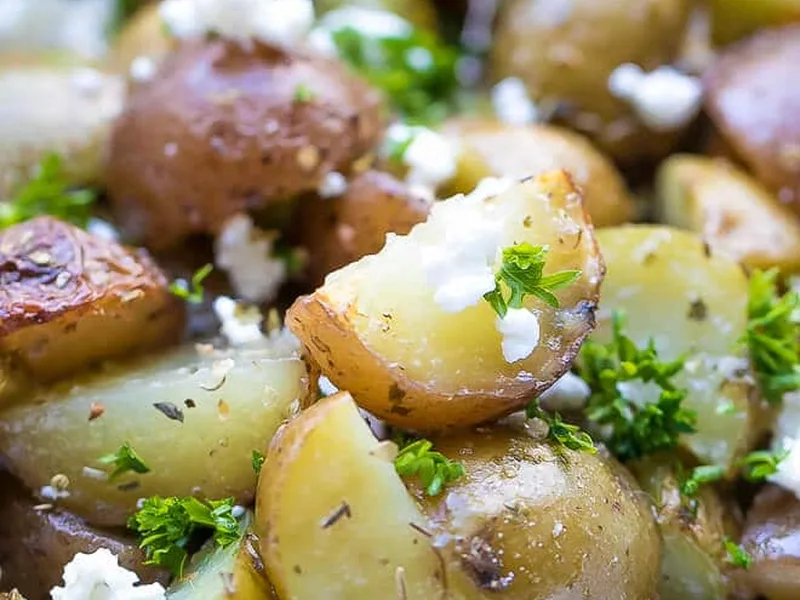
Dried oregano defines the flavor more than any other herb. Greeks call it rigani and sprinkle it on everything from feta to roasted potatoes. Fresh herbs matter less here than in Italian cooking. Dried oregano, dried mint, dried dill do most of the work.
Feta cheese shows up in salads, pies, dips, and baked dishes. Real feta comes packed in brine, not vacuum-sealed plastic. The texture should crumble but still feel creamy. Cheaper cow's milk versions taste nothing like proper sheep and goat milk feta.
Greek cooking techniques stay simple. You'll roast vegetables at 400F until edges char. You'll simmer beans and lentils low and slow, often 2-3 hours. You'll wrap things in phyllo dough and bake until golden. Most meat gets marinated in lemon juice, olive oil, and oregano before grilling or roasting.
Phyllo work takes practice. Keep unused sheets covered with a damp towel. Brush each layer with melted butter or olive oil. Work fast. The sheets dry out in minutes.
This food suits people who like bold, direct flavors. Nothing subtle here. Garlic goes in by the head, not the clove. Lemon juice by the cup, not the teaspoon. If you prefer delicate French sauces or complex Asian spice blends, Greek food might bore you.
But if you want to feed a crowd without fussing, Greek recipes deliver. Most dishes taste better the next day. Many serve well at room temperature. You can prep components ahead and assemble later.