Italian Recipes
495 recipes
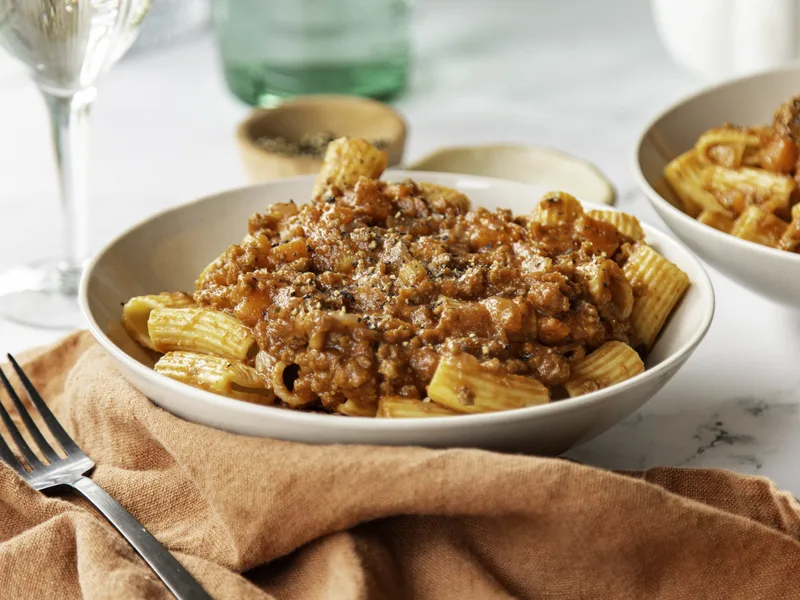
High Protein Pumpkin Ground Beef Bolognese with Red Wine
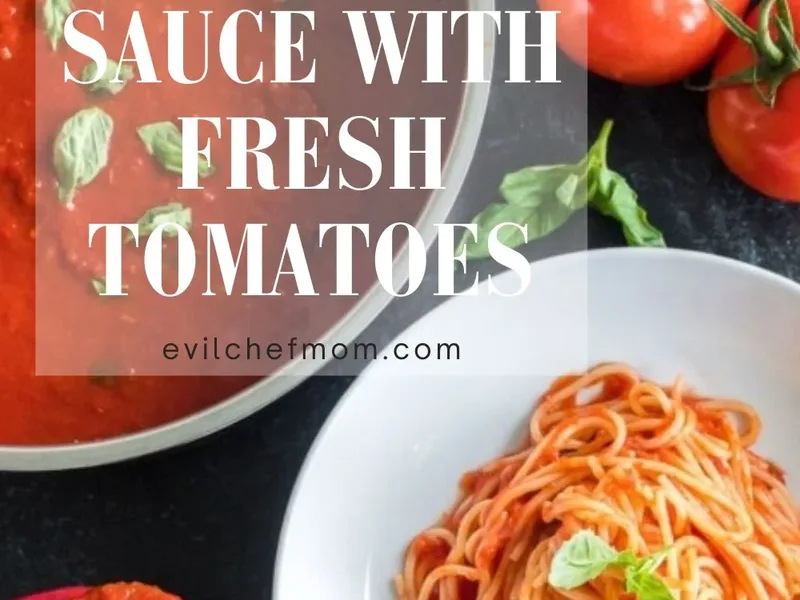
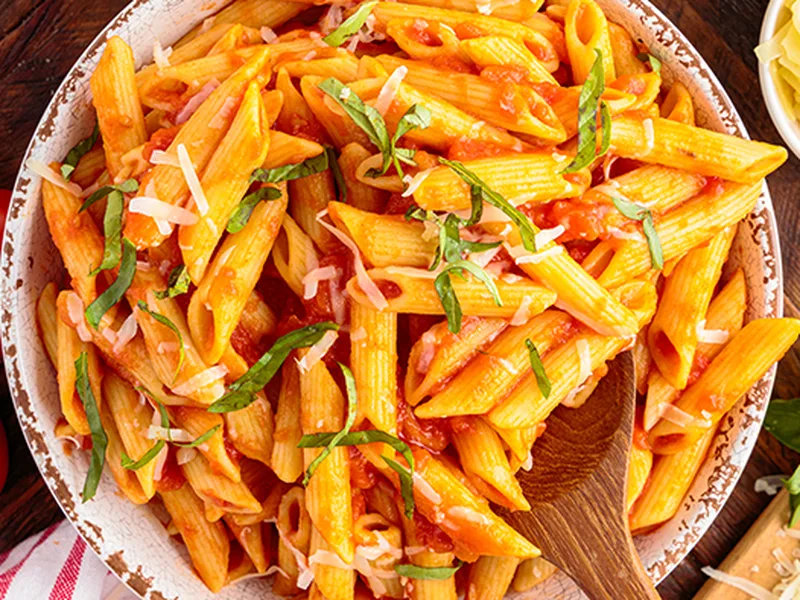
Fresh Tomato Sauce with Garlic and Basil
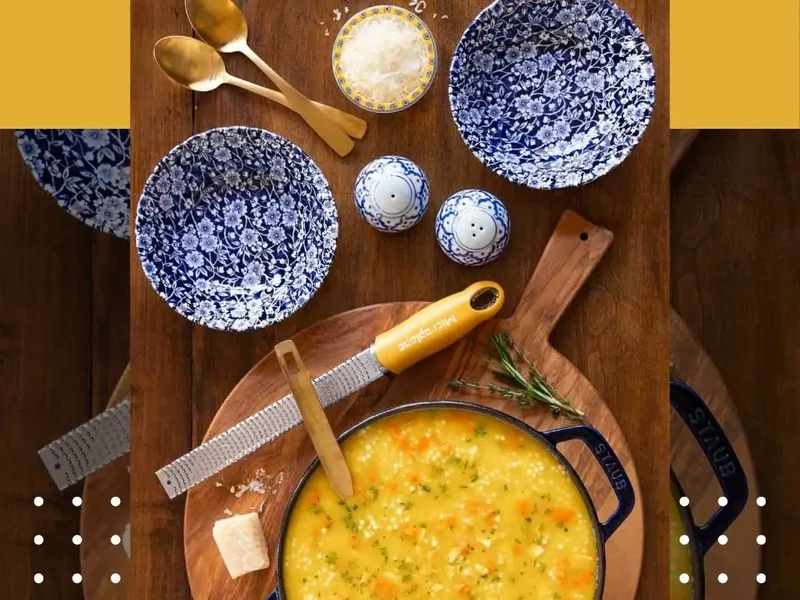
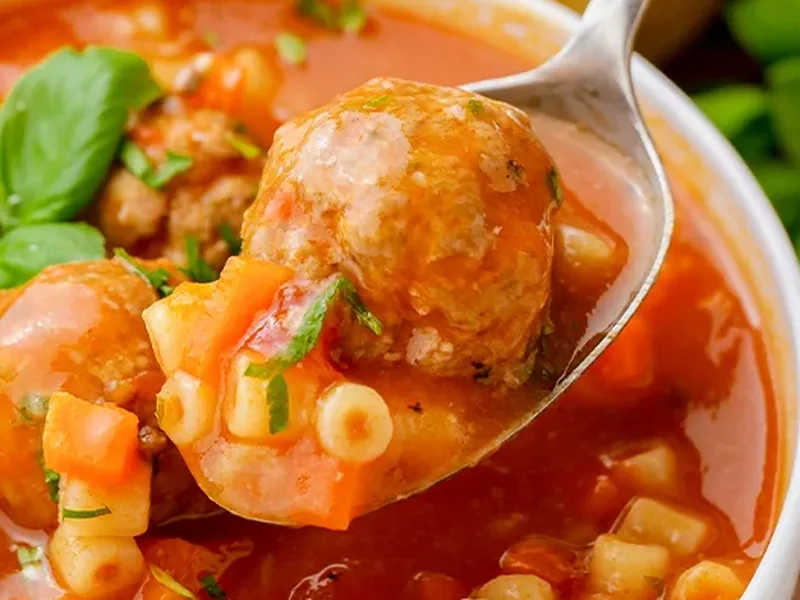
Italian Chicken Pastina Soup with Pureed Vegetables
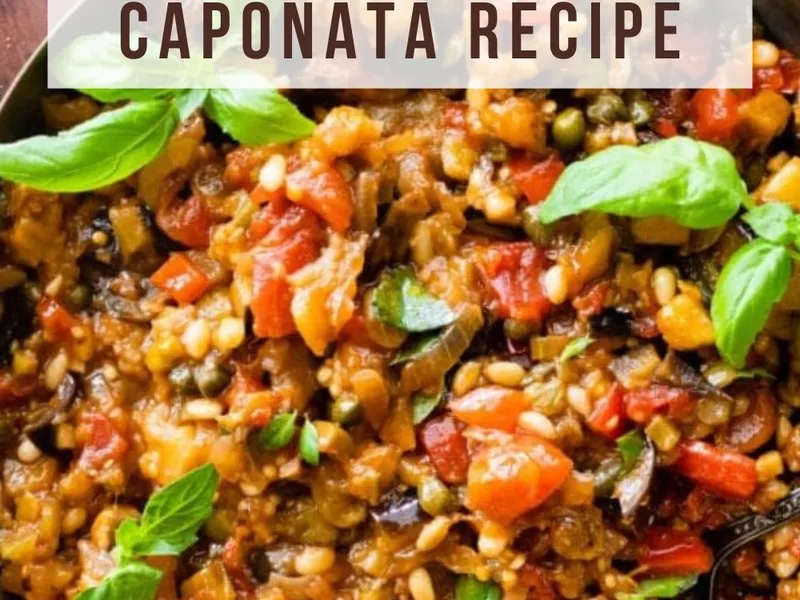
Sicilian Eggplant Caponata with Olives and Capers
Italian cooking centers on doing simple things perfectly. You need good olive oil, real Parmigiano-Reggiano, and San Marzano tomatoes.
The basics matter. A carbonara uses only guanciale, egg yolks, Pecorino Romano, and black pepper. No cream. Cacio e pepe needs just pasta water, cheese, and pepper to create its sauce. Aglio e olio transforms spaghetti with garlic, olive oil, and red pepper flakes in under 15 minutes.
Northern Italian dishes lean on butter, cream, and slow-cooked meat ragùs that simmer for 3-4 hours. Risotto alla milanese gets its golden color from saffron. Osso buco braises veal shanks in white wine and tomatoes.
Southern Italian food runs hotter and lighter. Olive oil replaces butter. Tomatoes show up everywhere. Pasta alla puttanesca combines anchovies, capers, olives, and garlic. Caponata stews eggplant with tomatoes, onions, and vinegar into a sweet-sour relish.
Pasta cooking demands precision. Use 4-6 quarts of water per pound. Salt it until it tastes like seawater, about 2 tablespoons per quart. Cook pasta 1-2 minutes less than the package says. Save a cup of pasta water before draining.
The pasta water contains starch that helps sauces stick. Add it by the tablespoon to adjust consistency. Toss pasta and sauce together over heat for 30-60 seconds. This technique, called mantecatura, marries them into one dish.
Pizza dough ferments 24-72 hours in the fridge for flavor and texture. Home ovens max out at 500-550F, so you need workarounds. A pizza steel preheated for 45 minutes gets closer to the 700-900F of wood-fired ovens.
Italian desserts stay simple too. Tiramisu layers coffee-soaked ladyfingers with mascarpone and cocoa. Panna cotta sets cream with gelatin. Both need 4-6 hours chilling time.
This food rewards patience and quality ingredients over complicated techniques. Master the fundamentals first. Learn to make a proper tomato sauce, cook pasta correctly, and build a risotto. Everything else follows.