Korean Recipes
37 recipes
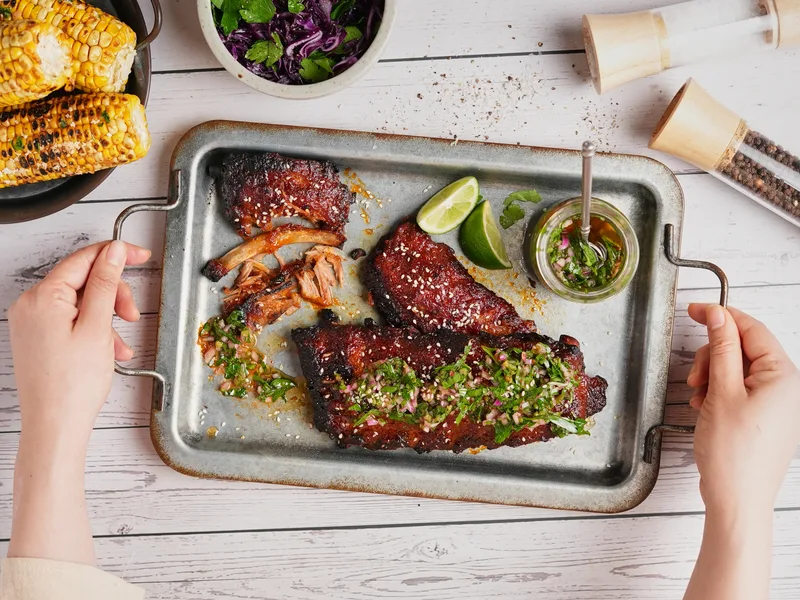
Korean Glazed Ribs with Chimichurri
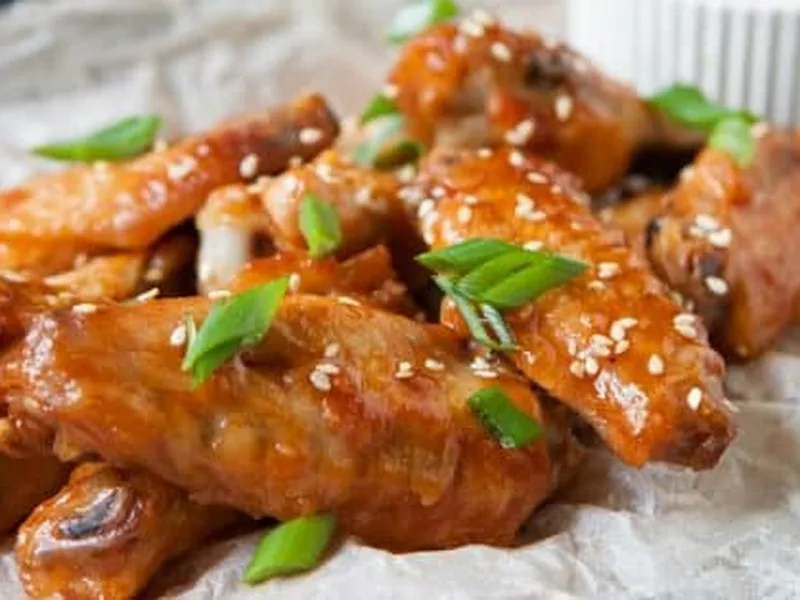
Keto Spicy Korean Chicken Wings with Gochujang Style Sauce
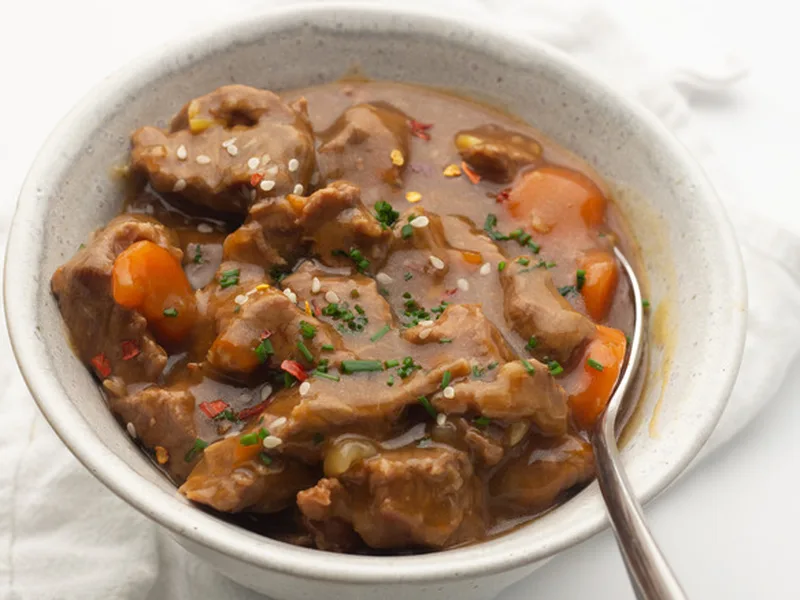
Korean Beef Stew with Sesame Oil and Soy Sauce
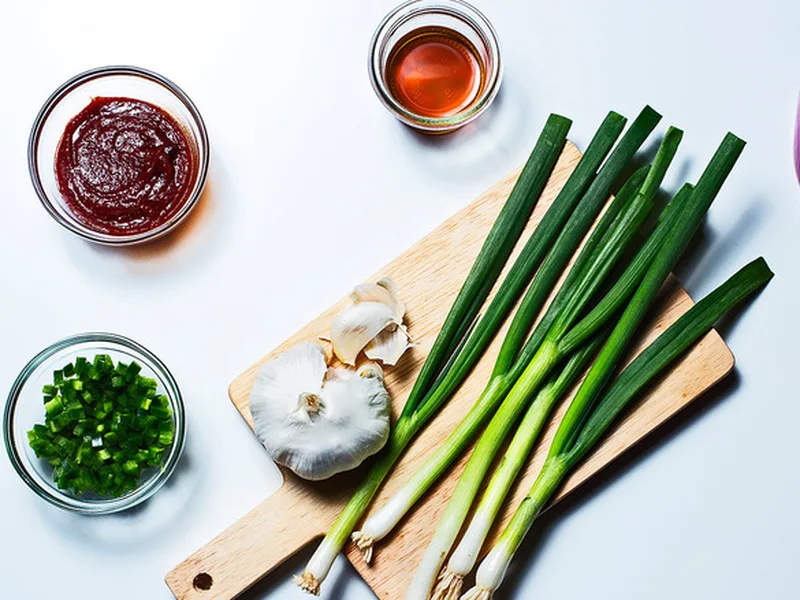
Homemade Ssamjang: Korean Dipping Paste
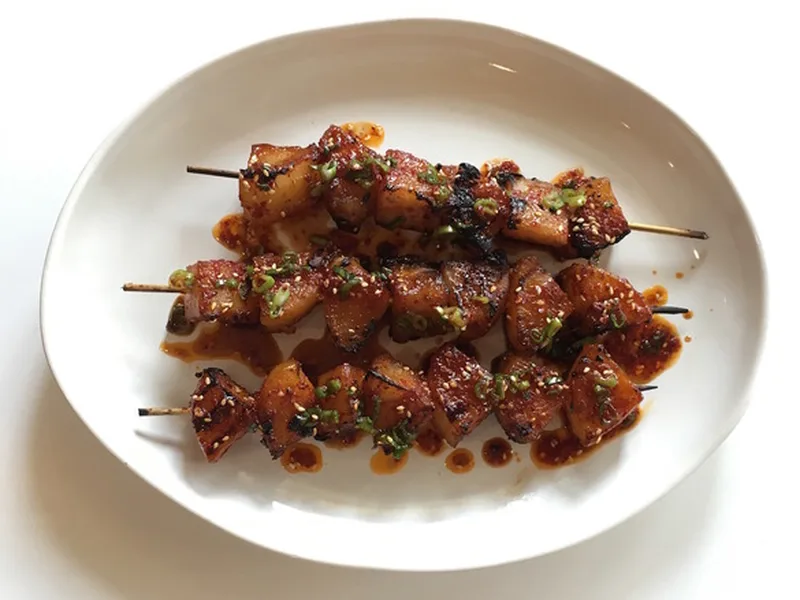
Korean-Style Grilled Daikon Radish Skewers with Spicy Sauce
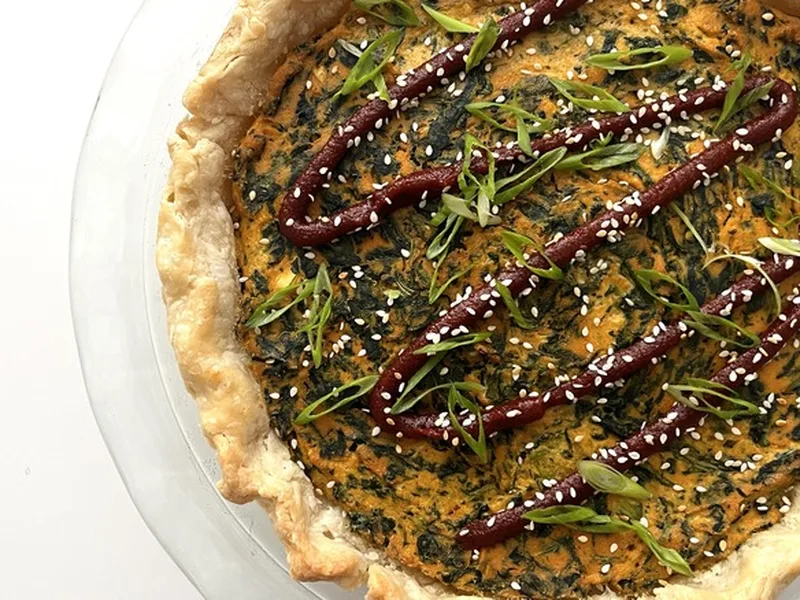
Vegan Spinach Tofu Quiche with Gochujang
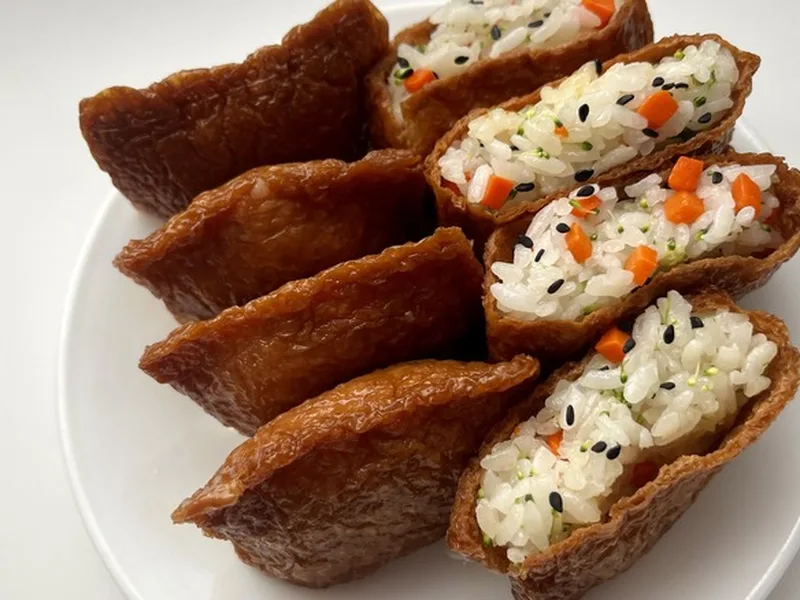
Korean Fried Tofu Pockets with Seasoned Rice
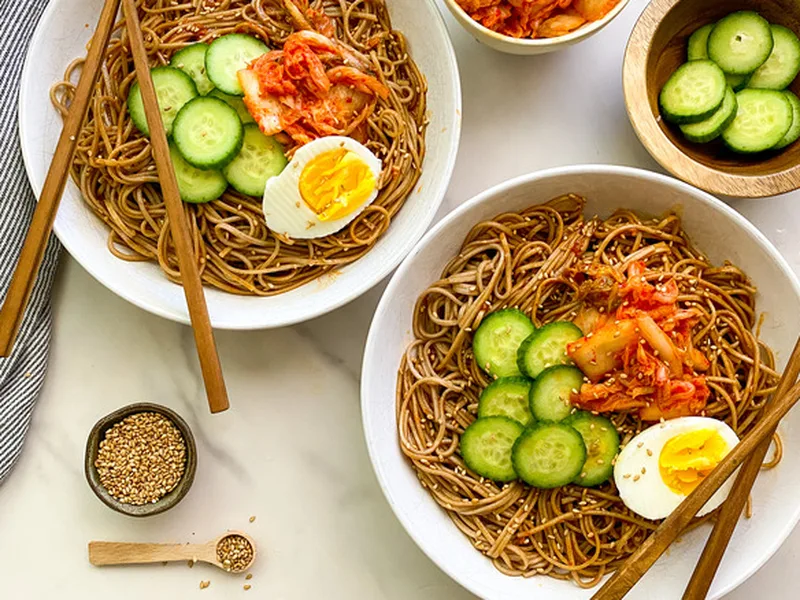
Bibim Guksu: Korean Cold Noodles
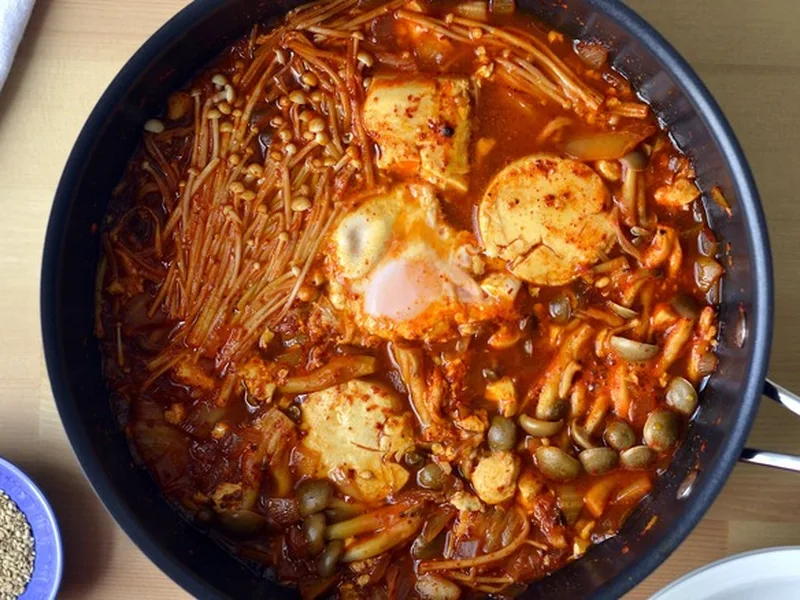
Kimchi Sundubu Jjigae: Silken Tofu Stew
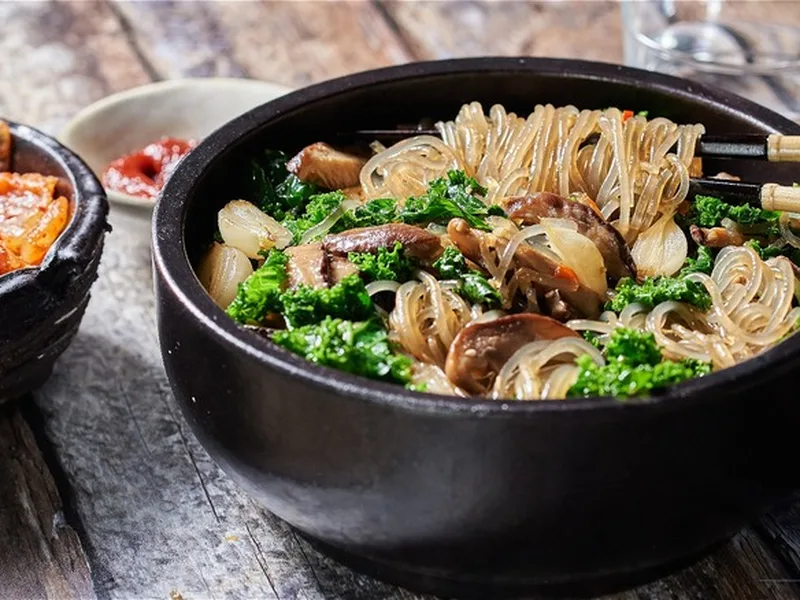
Korean Beef Japchae with Kale and Glass Noodles
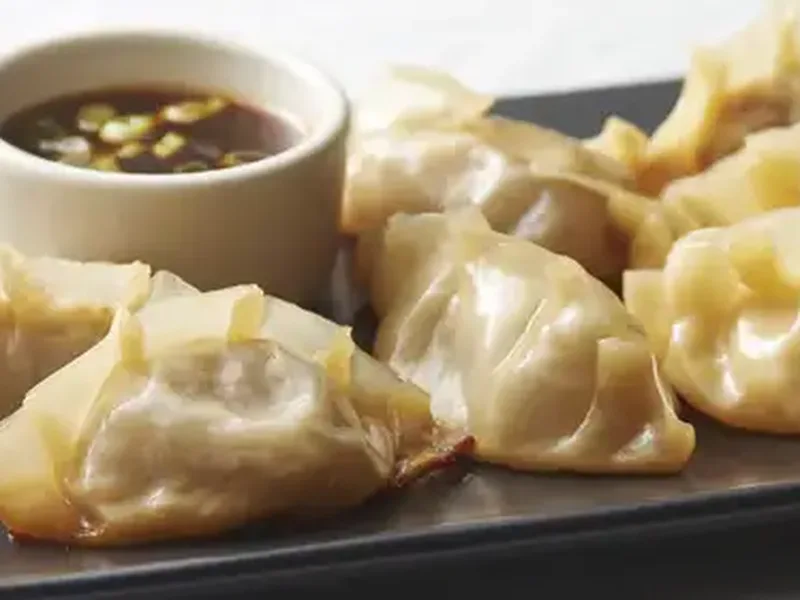
Beef and Kimchi Pot Stickers with Soy-Chili Dipping Sauce
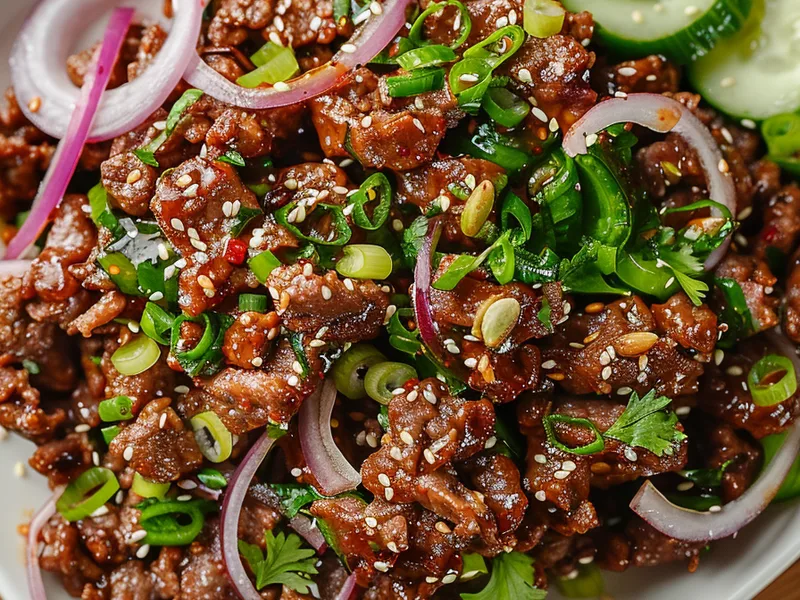
Spicy Keto Korean Ground Beef with Cucumber Salad
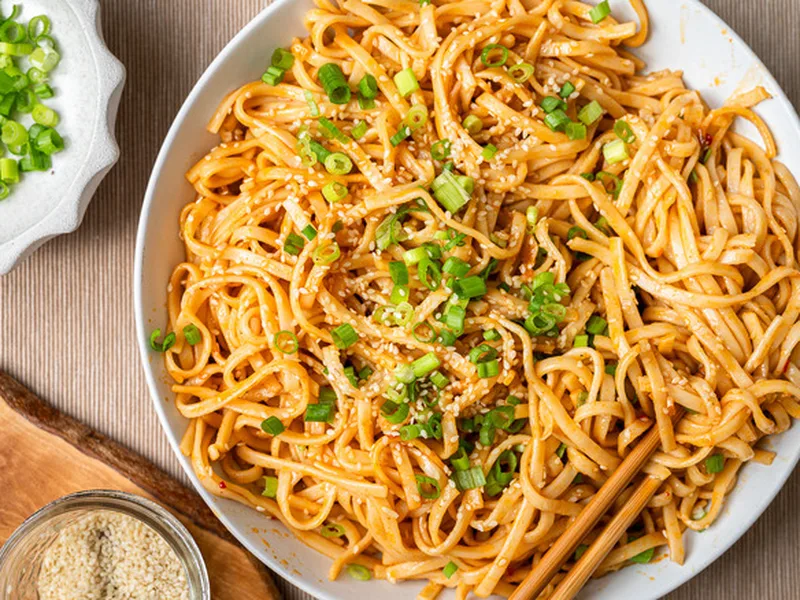
Korean-Style Udon Noodles with Gochujang Sauce
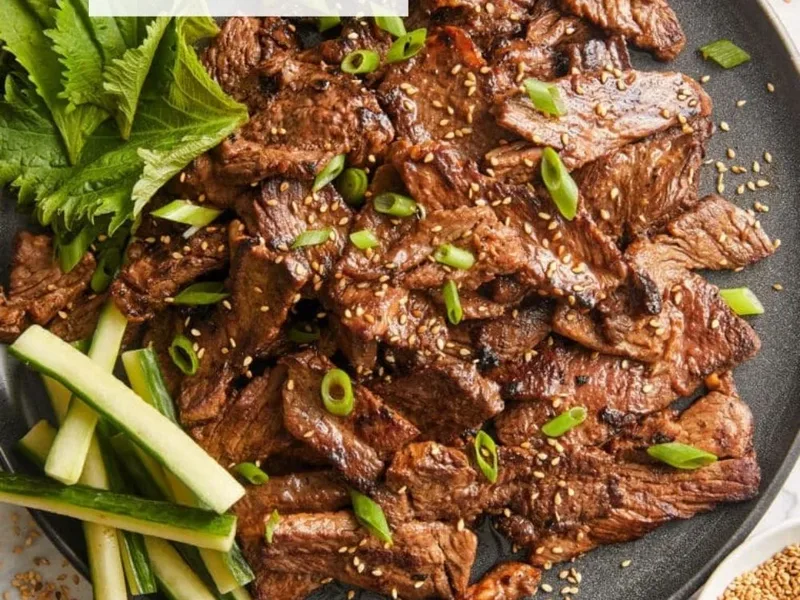
Korean Bulgogi Marinated Grilled Beef with Vegetables
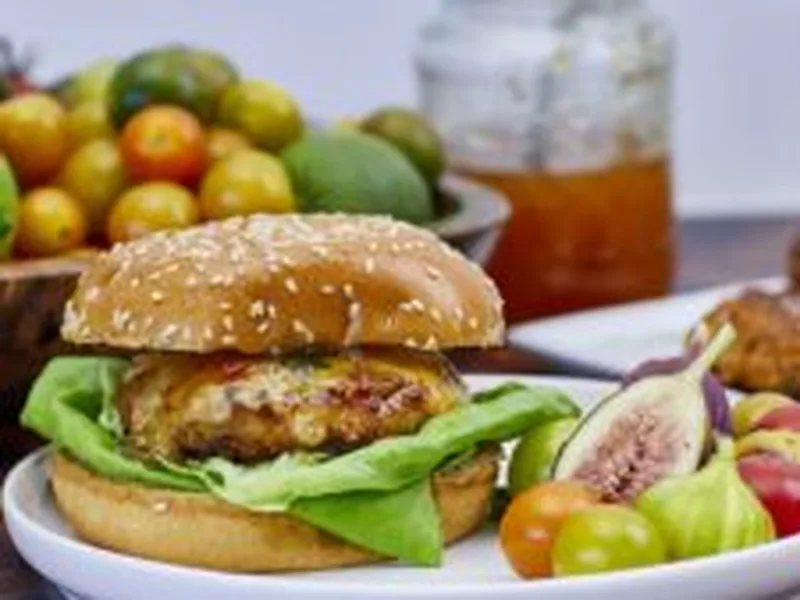
Korean-Style Crispy Shrimp Burgers with Gochujang
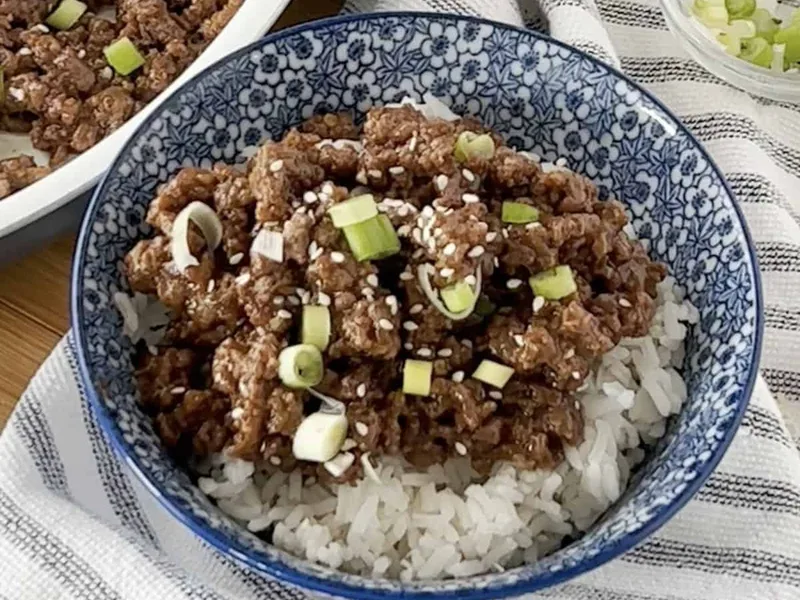
Korean Beef Stir Fry with Vegetables and Brown Sugar Sauce
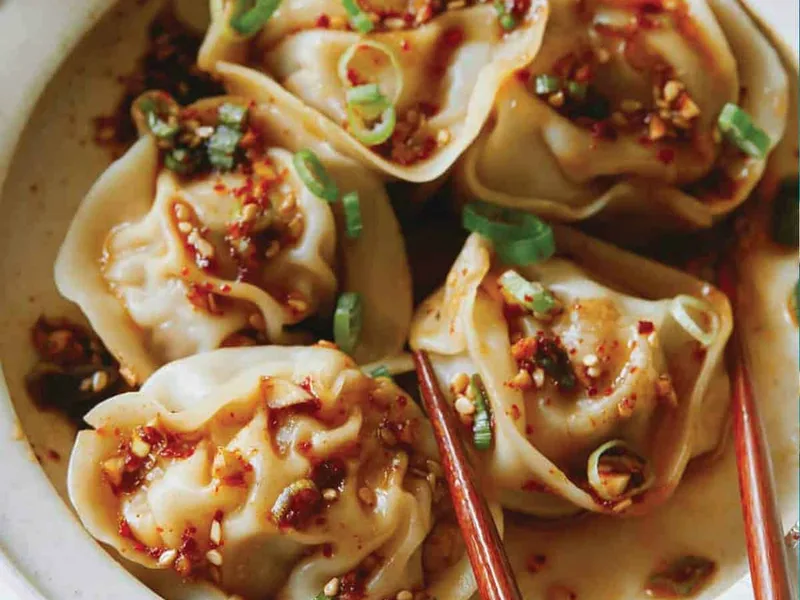
Korean-Style Pork and Shrimp Steamed Dumplings with Gochugaru
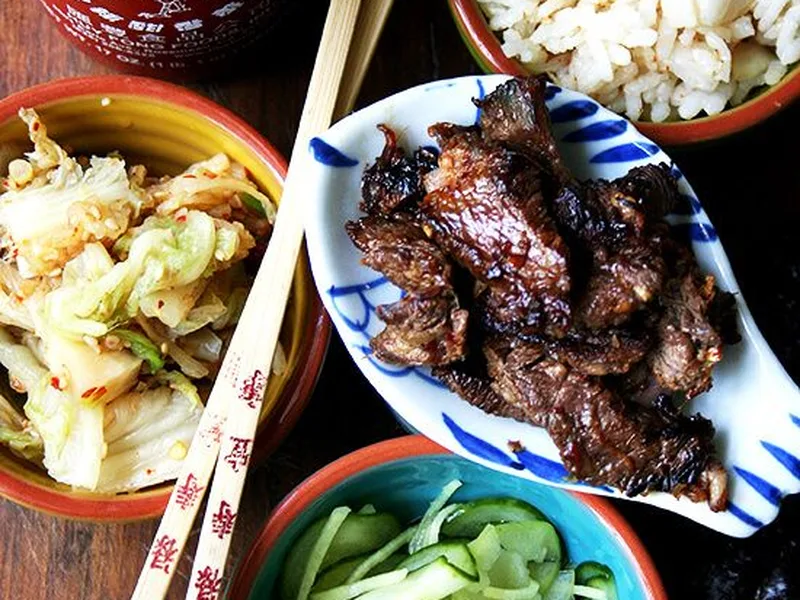
Skirt Steak Bulgogi with Quick Cucumber-Apple Pickles
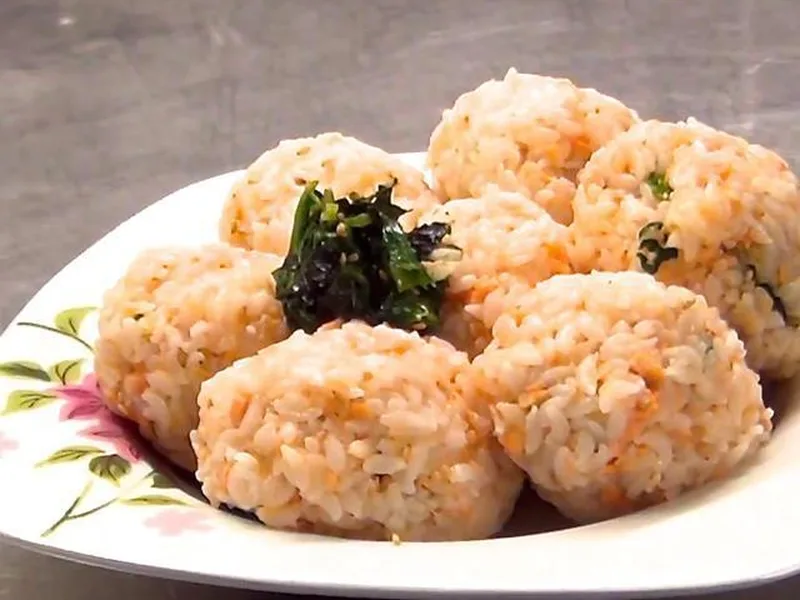
Salmon and Seaweed Spinach Rice Balls
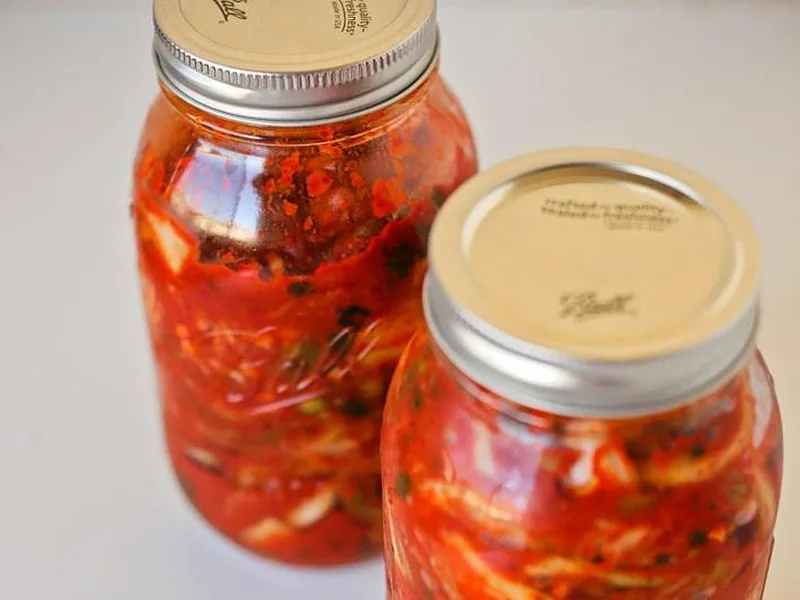
Mom's Fermented Napa Cabbage Kimchi
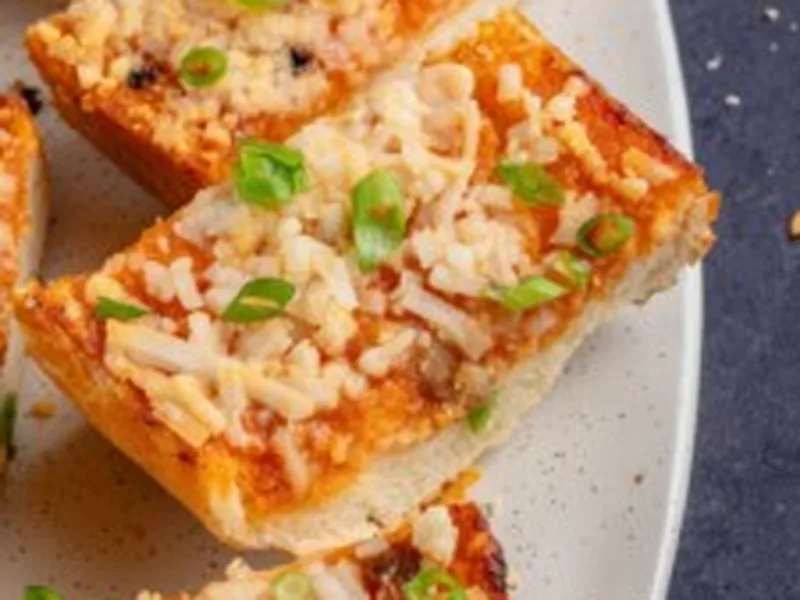
Vegan Gochujang Garlic Bread with Roasted Garlic and Melted Cheese
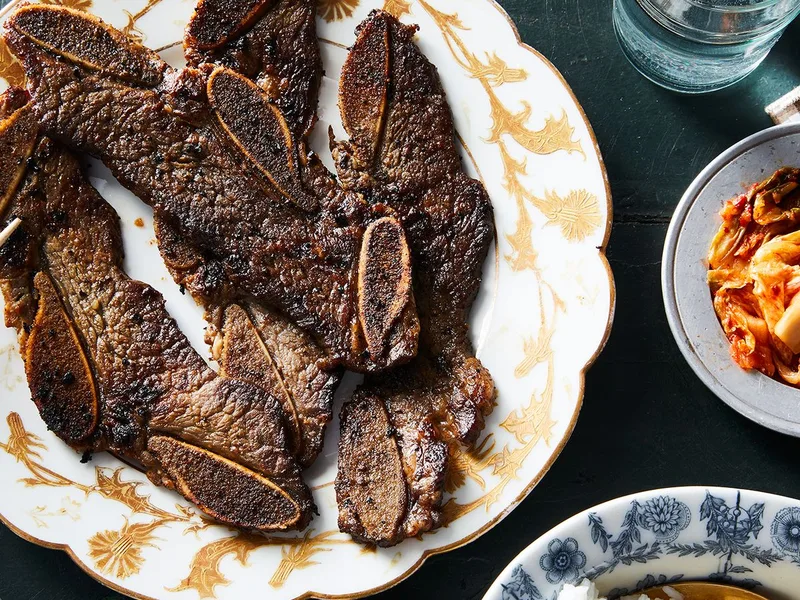
Korean LA Galbi Marinated Short Ribs with Asian Pear
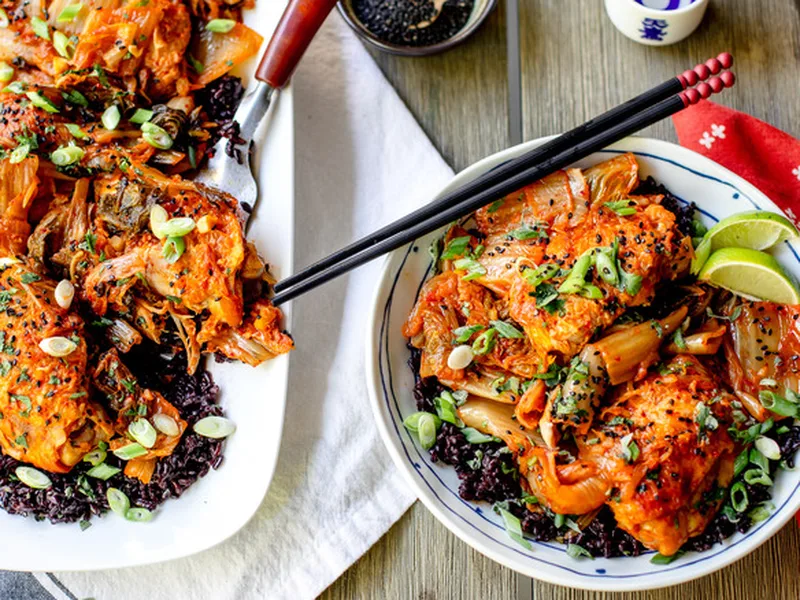
Crockpot Kimchi Chicken With Forbidden Rice
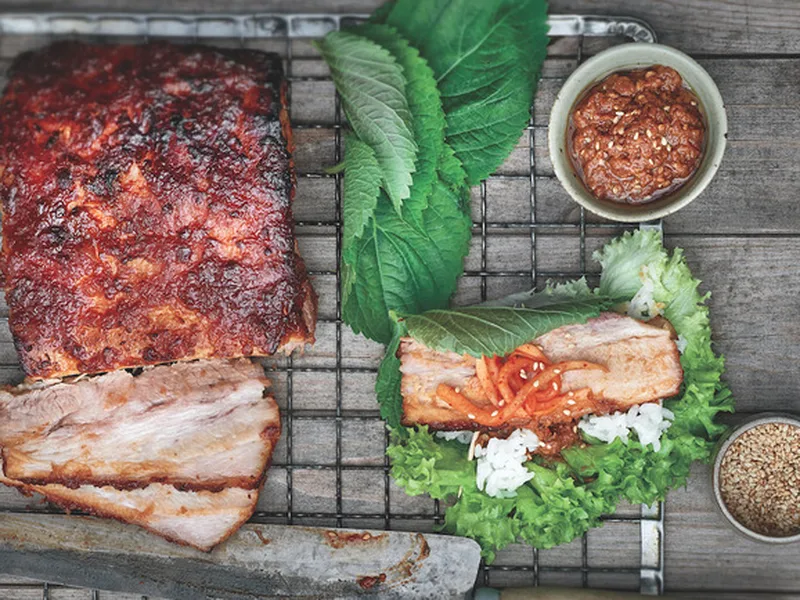
Korean Pork Belly Lettuce Wraps with Doenjang Glaze
Korean cooking balances sweet, salty, and spicy in nearly every dish. Sugar appears in marinades as often as salt.
Gochujang paste forms the backbone of countless recipes, from tteokbokki rice cakes to bibimbap sauce. Its fermented sweetness pairs with soy sauce and sesame oil to create that distinctly Korean flavor. Most home cooks keep three types of chili: gochujang paste, gochugaru flakes, and fresh green chilies.
Fermentation runs deep here. Beyond kimchi, Koreans ferment soybeans into doenjang paste, seafood into jeotgal, and even rice into makgeolli. These ingredients add funk and depth you can't replicate with fresh ingredients alone.
Marinating matters more than in most cuisines. Bulgogi sits in soy-sugar-pear puree for 2-24 hours. Galbi ribs need at least 4 hours in their soy-based bath. Even quick vegetable banchan get 30-minute flavor soaks.
Temperature extremes define the cooking. Bibimbap requires a screaming hot stone bowl at 500F. Korean fried chicken gets double-fried at 340F then 375F for maximum crunch. Meanwhile, cold noodles like naengmyeon are served with actual ice cubes floating in the broth.
Texture contrasts keep every bite interesting. Soft tofu meets crunchy kimchi in sundubu jjigae. Chewy rice cakes swim in silky gochujang sauce. Glass noodles provide springy bite against tender vegetables in japchae.
Banchan side dishes turn simple rice and soup into a feast. A typical home meal includes 3-5 banchan. Restaurants serve 8-12. These aren't afterthoughts. They're essential to balancing flavors across the meal.
Korean cooking rewards patience and bold seasoning. Don't fear the chili paste. Start with 1 tablespoon where recipes call for 2. Build your heat tolerance gradually. The sweetness in gochujang makes it friendlier than it looks.
Essential Ingredients
Key Techniques
FAQ
Why does my homemade kimchi taste flat compared to store-bought?
Fermentation time and salt levels make the difference. Use 2.5% salt by weight of vegetables. Ferment at 68-72F for 3-5 days until pH drops to 4.3. Then refrigerate. Store-bought often ages 2-4 weeks before selling. Also check your gochugaru. Old flakes lose flavor after 6 months. Fresh gochugaru smells fruity and sweet, not just hot.
Can I make Korean food less spicy without ruining it?
Cut gochujang by 50% and add 1 tablespoon sugar per removed tablespoon of paste. This maintains the sweet-savory balance. For gochugaru dishes, substitute 25% with paprika. In jjigae stews, add 2 tablespoons of milk or cream at the end. The casein neutralizes capsaicin. Many Korean kids eat these modified versions. You're not betraying tradition.
What's the difference between Korean and Japanese ingredients?
Korean soy sauce contains 18-20% salt versus Japanese at 16%. Korean sesame oil gets toasted darker, reaching 400F versus 350F for Japanese. Gochujang has no Japanese equivalent, though some substitute miso mixed with sriracha (don't). Korean rice wine tastes drier than mirin's 14% sugar content. Even seemingly identical ingredients like tofu differ. Korean soft tofu contains 90% water versus Japanese silken at 85%.
How do I get restaurant-style crispy bottoms on rice and pancakes?
Use more oil than feels right. Korean pancakes need 3-4 tablespoons per 10-inch pan. Heat to 375F before adding batter. For crispy rice, use day-old rice with 2 tablespoons oil in cast iron at 425F. Don't stir for first 5 minutes. Listen for crackling sounds. The bottom should release easily when ready, usually after 7-10 minutes. Restaurants use specialized equipment reaching 500F+.