Mediterranean Recipes
248 recipes
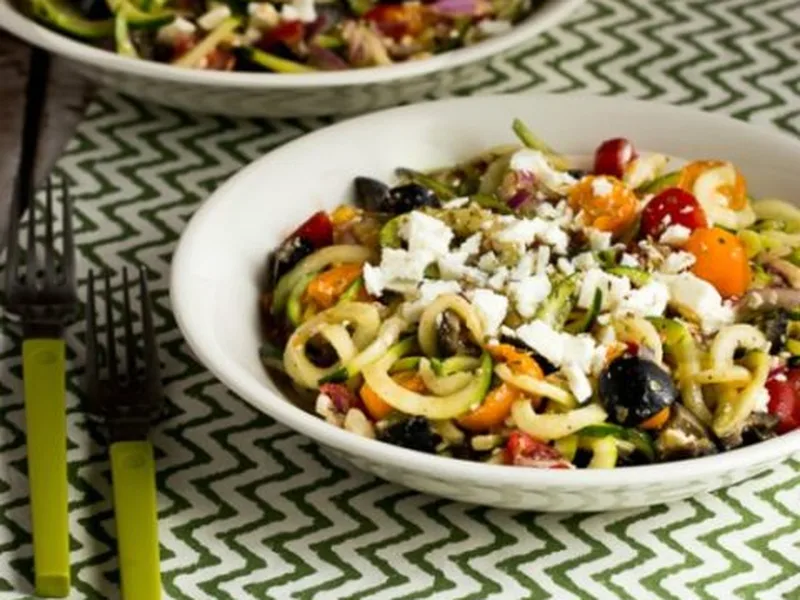
Greek-Style Zucchini Noodles with Feta
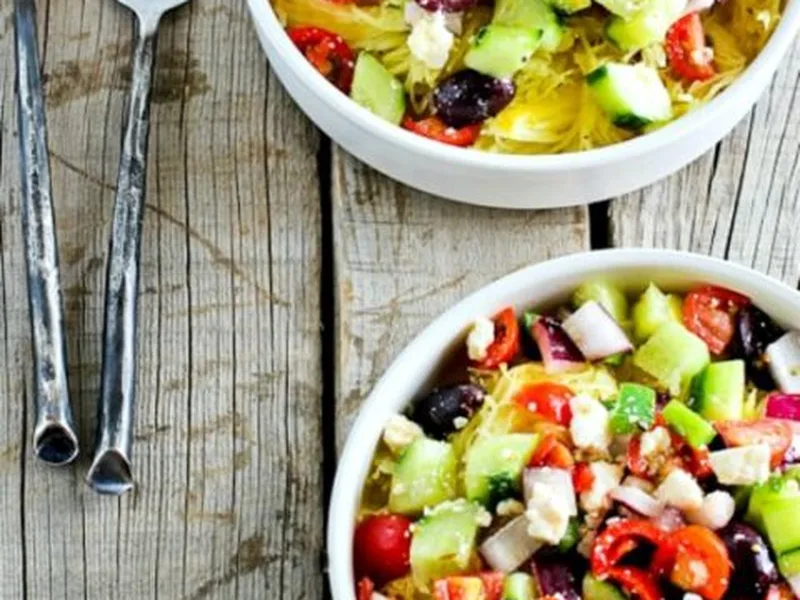
Roasted Spaghetti Squash with Greek Salad Topping
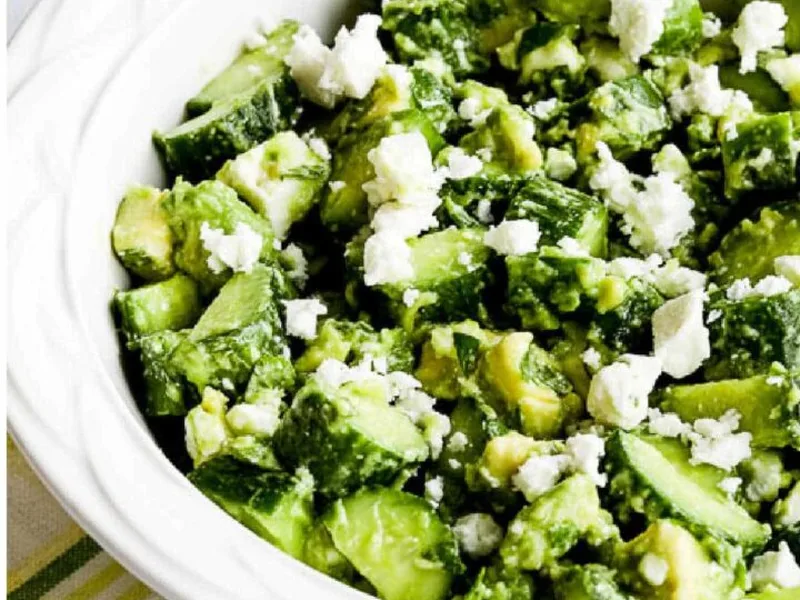
Fresh Cucumber Avocado Mint Salad with Feta
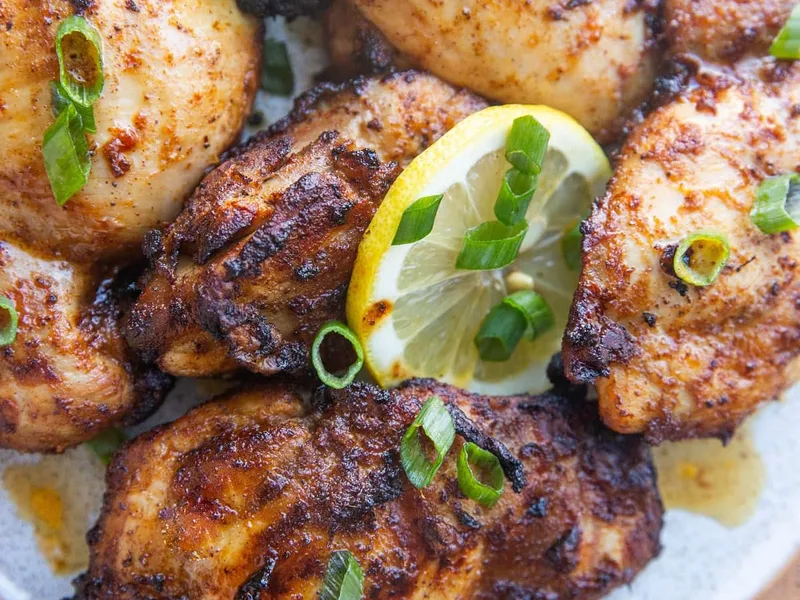
Crispy Air Fryer Mediterranean Chicken Thighs
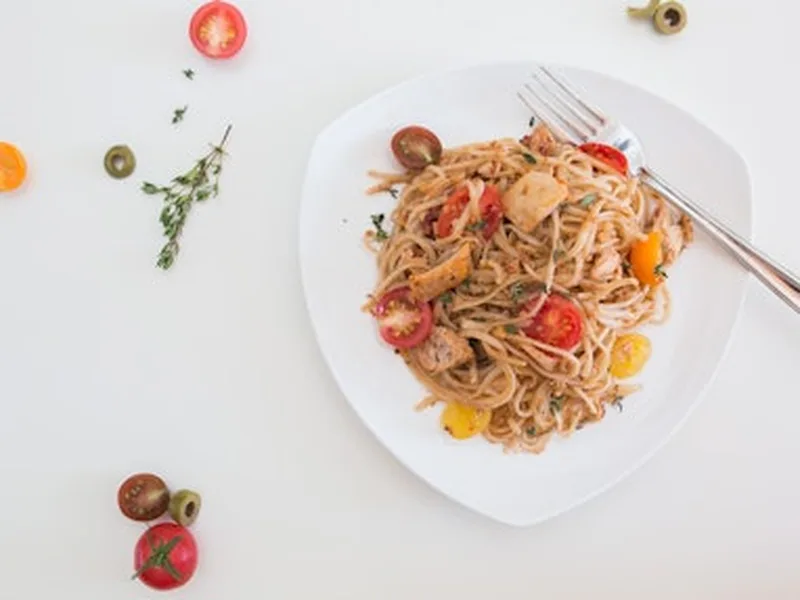
Gluten-Free Tuna Pasta with Cherry Tomatoes and Tapenade
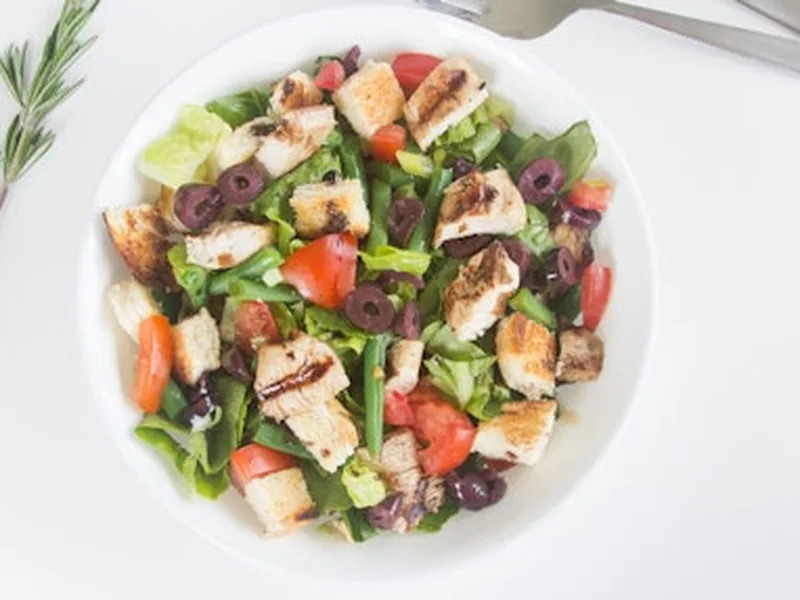
Grilled Rosemary-Balsamic Chicken Salad with Fresh Vegetables
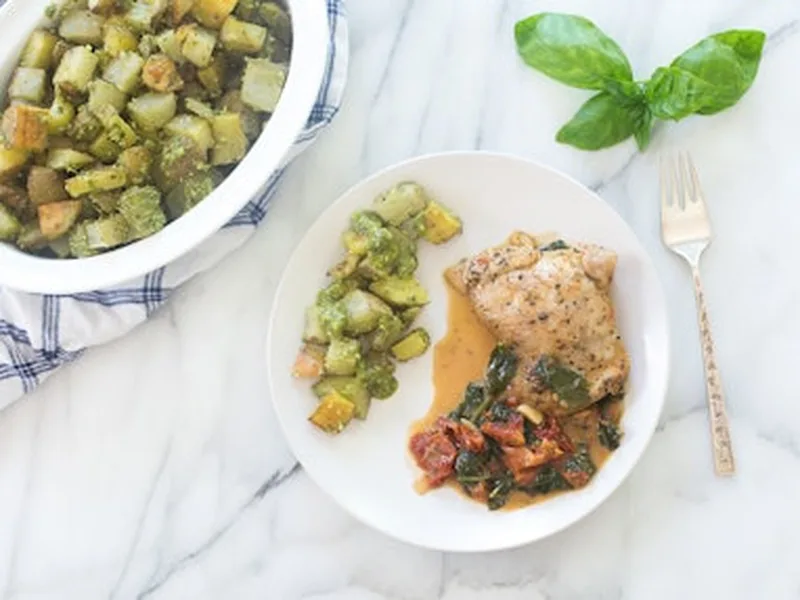
Grilled Cheese with Sun-dried Tomatoes, Basil & Roasted Cauliflower
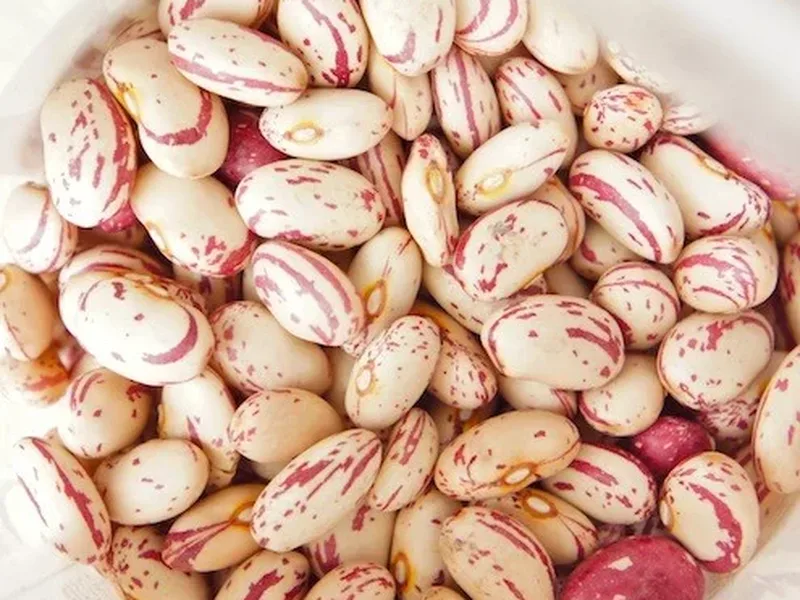
Cranberry Bean Salad with Toasted Black Quinoa and Feta
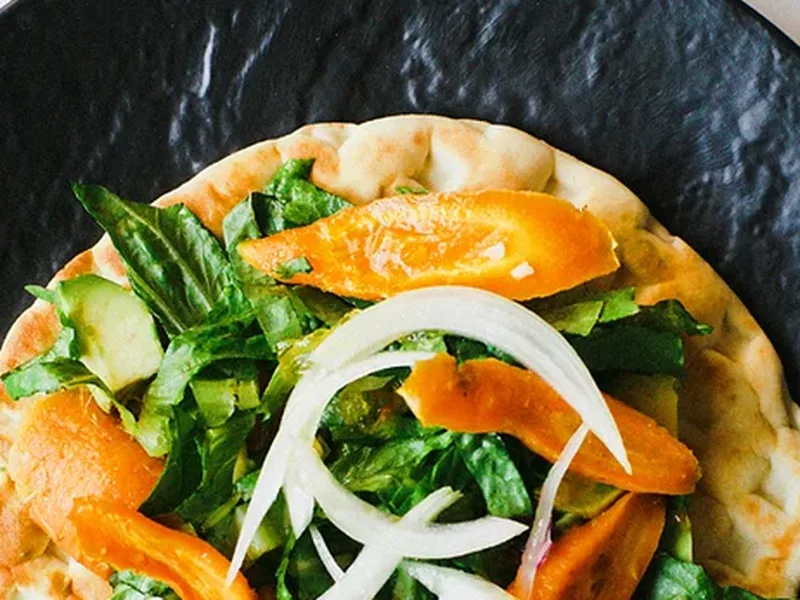
Flatbread Pizza with Roasted Carrots and Avocado
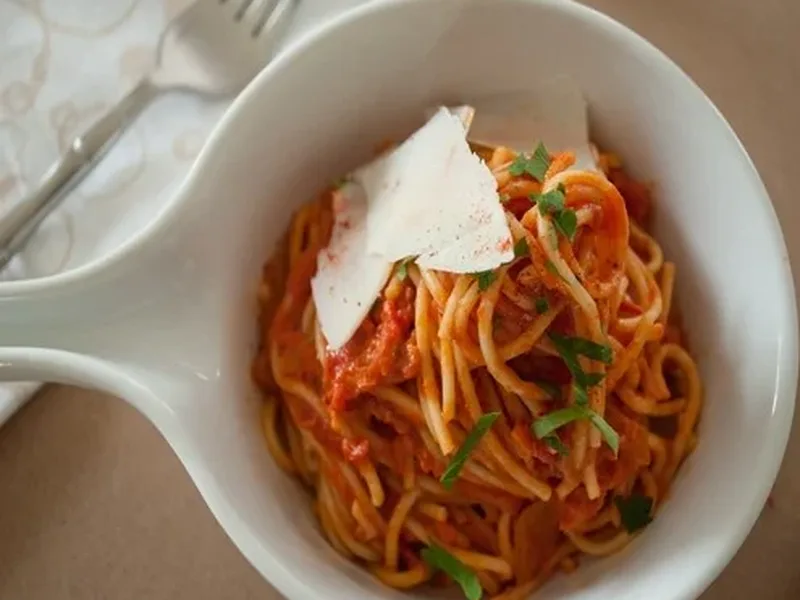
French Spaghetti with Anchovies and Piment d'Espelette
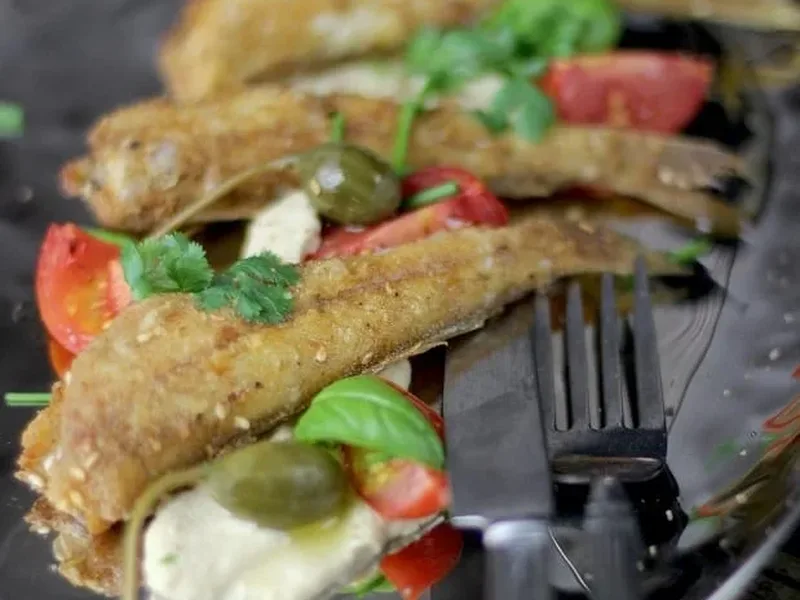
Fried Whiting with Smoked Eggplant Puree and Caperberries
Pistachio-Crusted Baked Fish with Lemon Quinoa Spinach
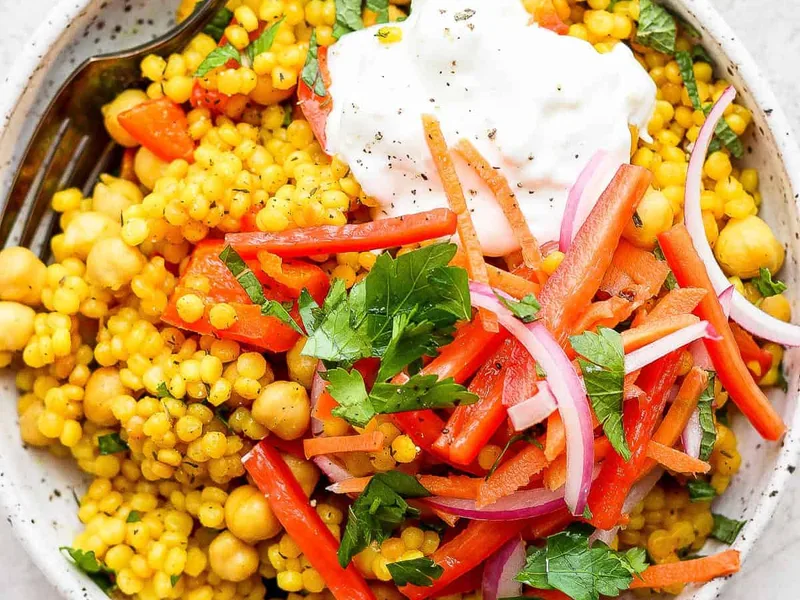
Lemon Garlic Israeli Couscous with Whipped Feta and Pickled Vegetables
Watermelon Peach Feta Salad with Lemon Allspice Dressing
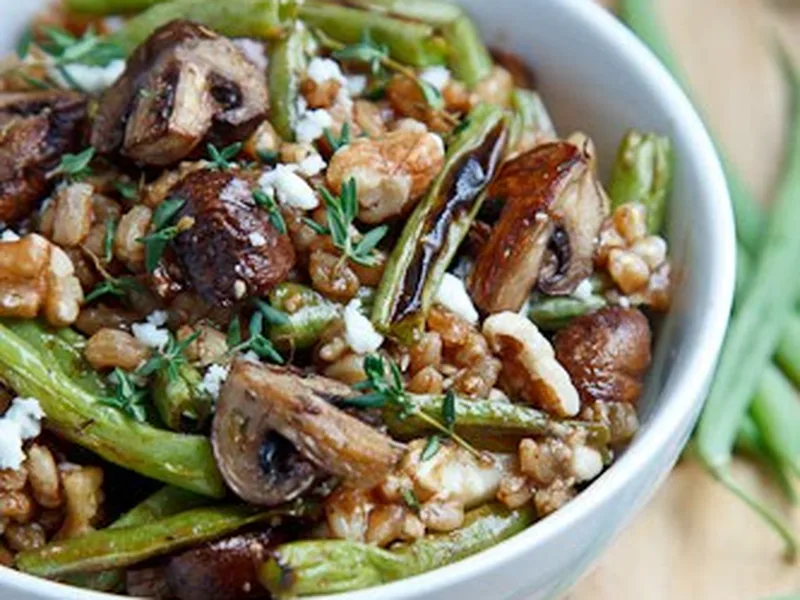
Roasted Mushroom Green Bean Farro Salad with Balsamic
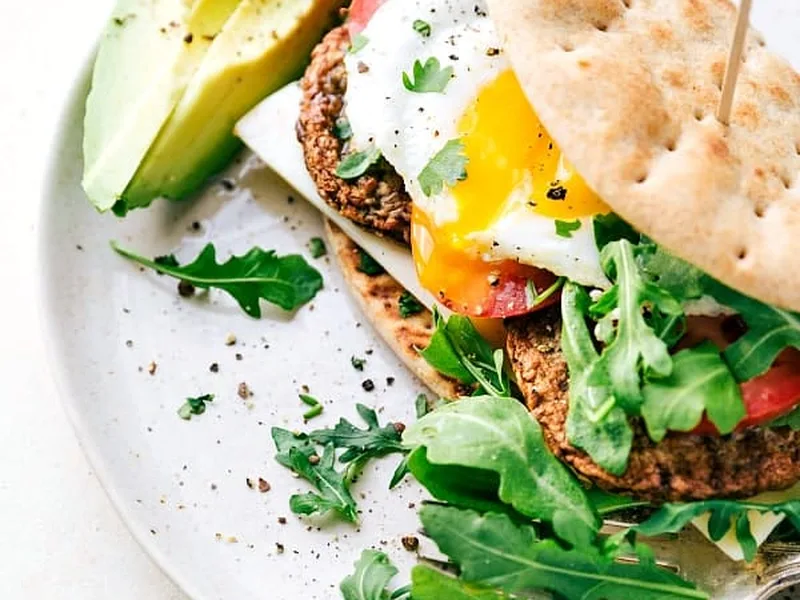
Breakfast Pitas with Chicken Sausage and Fried Eggs
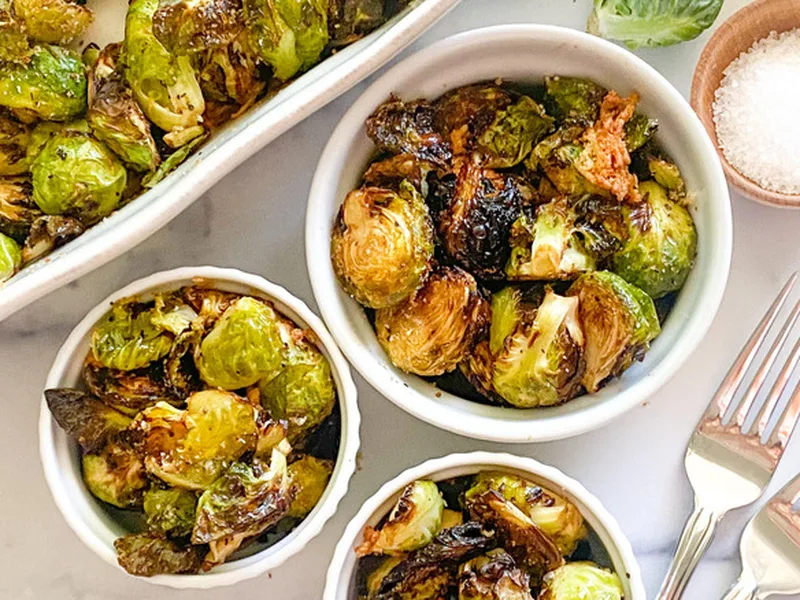
Air Fryer Parmesan Brussels Sprouts with Panko Breadcrumbs
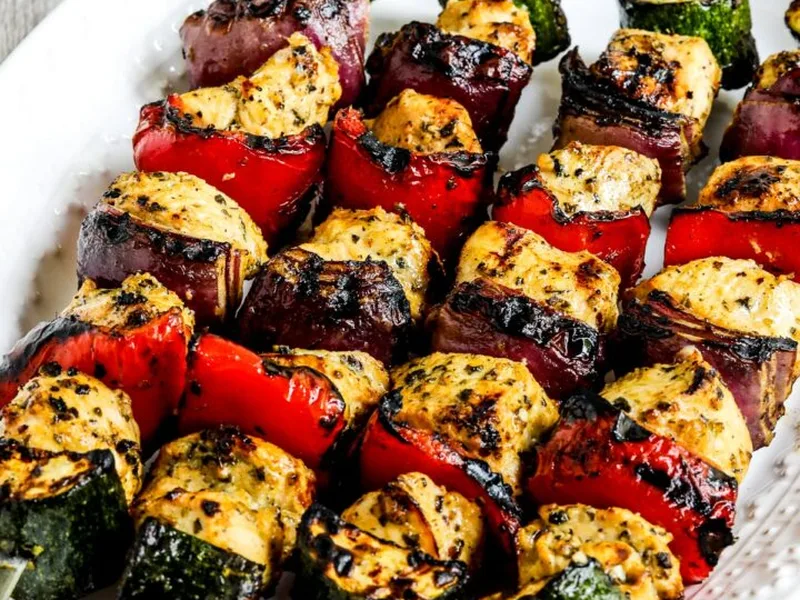
Grilled Chicken Kabobs with Bell Pepper and Zucchini
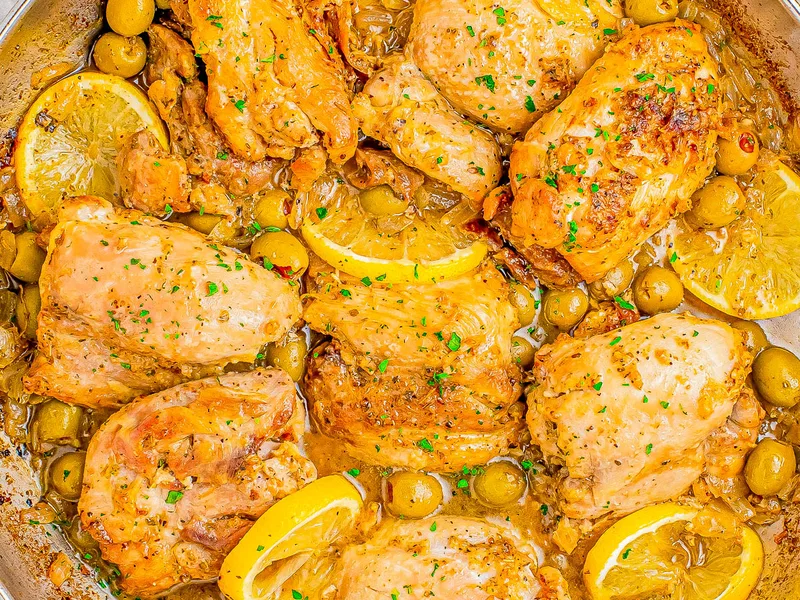
Lemon Olive Chicken Skillet with Pan Sauce
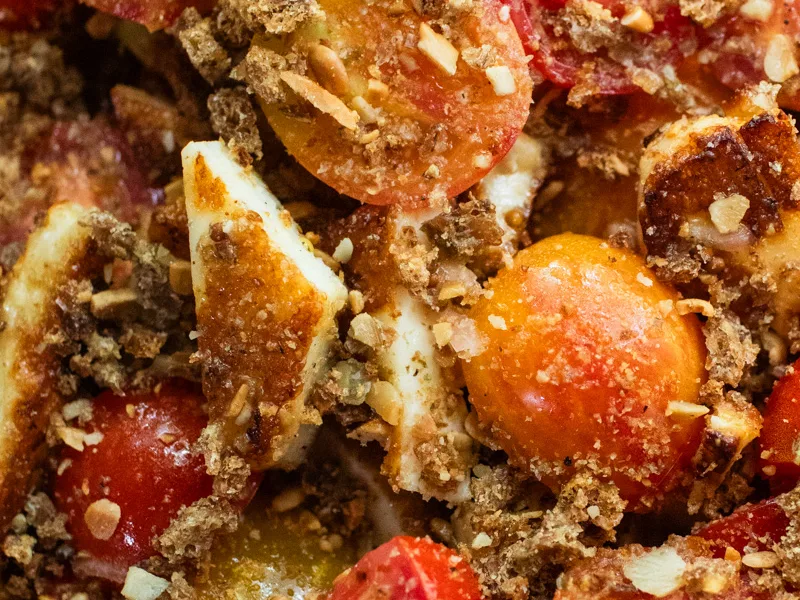
Pan-Fried Halloumi and Tomato Salad with Mustard Vinaigrette
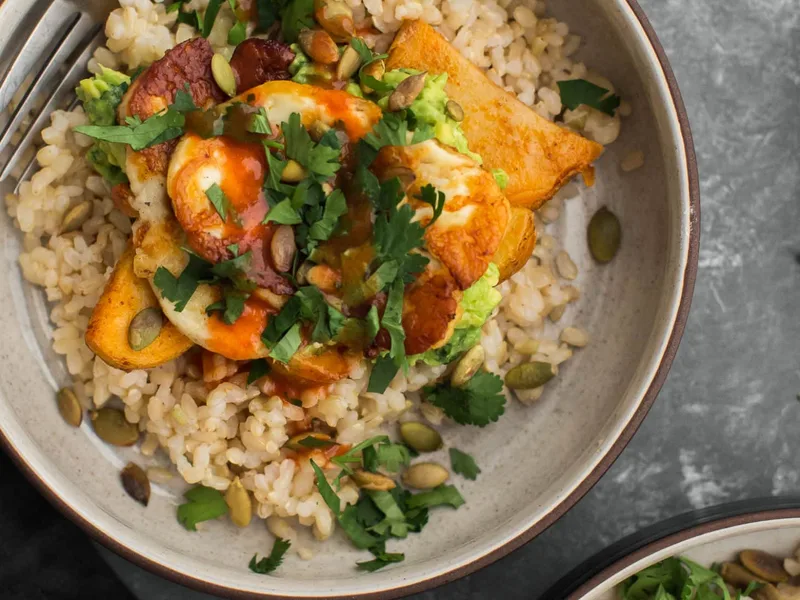
Halloumi Burrito Bowl with Roasted Potatoes and Guacamole
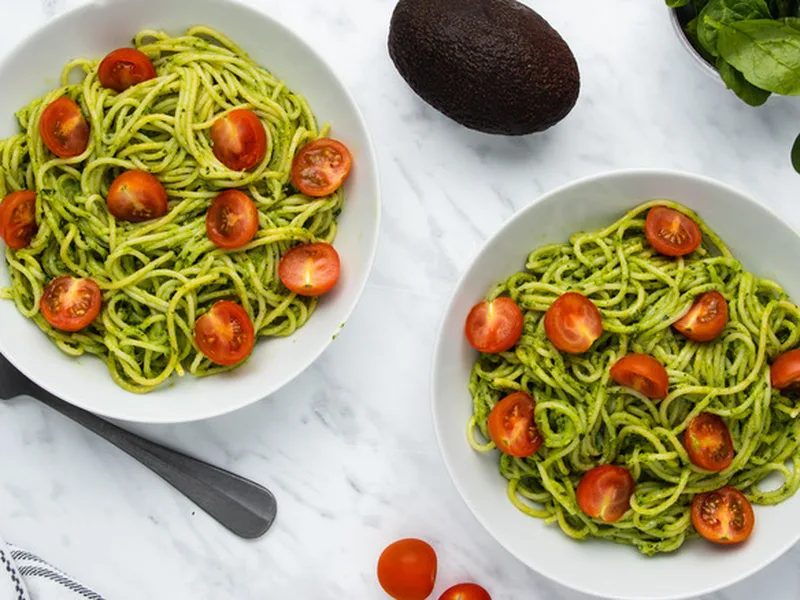
Creamy Avocado Pasta with Fresh Basil
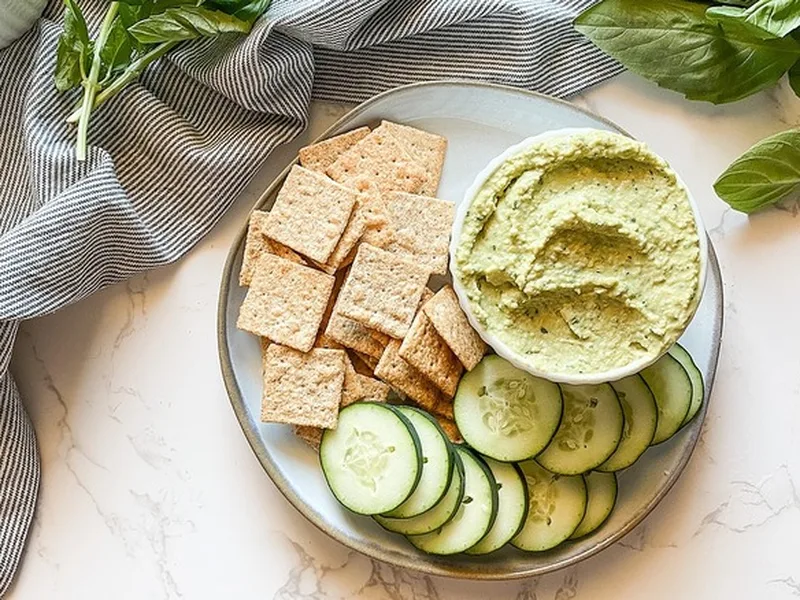
Pesto Hummus with Parmesan and Pine Nuts
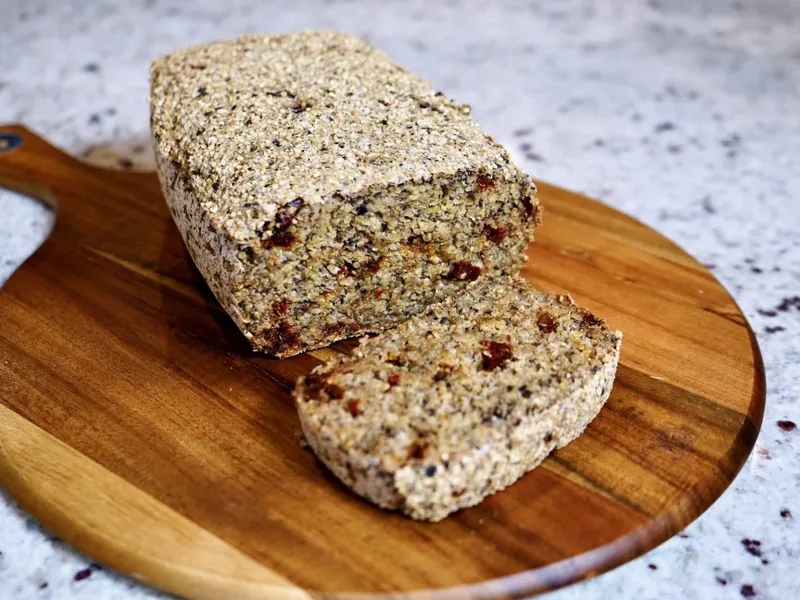
Gluten-Free Tomato Olive Quick Bread Recipe
Mediterranean cooking spans three continents around one sea. Each country brings its own accent to shared ingredients.
Olive oil forms the foundation. Greeks pour it over feta. Italians drizzle it on bread. Spanish cooks fry in it at 350F. You'll use 3 to 4 tablespoons per dish on average.
The flavor math stays consistent. Acid plus fat plus herbs. Lemon juice cuts through tahini in hummus. Tomatoes balance olive oil in pasta. Oregano ties Greek salads together. Most recipes need 1 part acid to 3 parts oil.
Garlic shows up everywhere. Raw in tzatziki. Sautéed until golden in aglio e olio. Roasted whole at 400F for 45 minutes until sweet and spreadable.
Vegetables take center stage. Eggplant chars on the grill. Zucchini softens in ratatouille. Bell peppers roast until their skins blister and peel. Most dishes use 2 to 3 vegetables as the main event, not the side.
Proteins play supporting roles. A 4-ounce portion feeds one person. Lamb shanks braise for 2 hours. White fish bakes in 15 minutes at 425F. Chickpeas simmer into stews.
Cheese adds salt and tang. Feta crumbles over everything. Halloumi grills without melting. Fresh mozzarella tears into salads. Figure 2 ounces per person.
This food works for Tuesday night dinners. Prep takes 20 minutes. Cook times rarely exceed an hour. Most dishes taste better the next day.
You need a good knife, a large skillet, and a sheet pan. Buy olive oil by the liter. Stock lemons by the dozen. Keep dried oregano, cumin, and paprika within reach.
Mediterranean cooking feeds groups easily. Double any recipe without adjustments. Serve dishes at room temperature. Let people build their own plates from shared bowls.
Essential Ingredients
Key Techniques
FAQ
What olive oil should I buy for Mediterranean cooking?
Buy two types. Extra virgin for dressing and finishing, regular olive oil for cooking. Spanish Arbequina oils stay mild. Greek Koroneiki oils taste peppery. Buy in tins or dark glass. Use within 6 months of opening. For cooking, heat olive oil to 350F maximum. Higher temperatures destroy flavor and create bitter compounds.
How do I prevent my hummus from being grainy?
Peel your chickpeas. Yes, every single one. Takes 10 minutes for a 15-ounce can. The skins cause graininess. Blend tahini with lemon juice first, then add chickpeas. Process for 4 full minutes. Add ice water 1 tablespoon at a time while blending. The cold water creates the creamy texture. Most recipes need 3 to 4 tablespoons ice water total.
What's the difference between Greek and regular yogurt?
Greek yogurt strains out whey, leaving 20 grams protein per cup versus 9 grams in regular. The thick texture works better for dips and marinades. It won't curdle when heated to 180F. Make your own by straining regular yogurt through cheesecloth for 4 hours. You'll lose half the volume but double the thickness. Full-fat tastes better than nonfat.
How do I meal prep Mediterranean food?
Cook grains and beans on Sunday. Make 3 cups of each. Prep vegetables but don't dress them. Whisk dressings in jars. Most keep 5 days refrigerated. Assemble bowls each morning: 1 cup grains, 0.5 cup beans, 2 cups vegetables, 2 tablespoons dressing. Add feta or olives before eating. Hummus and baba ganoush last 4 days. Cooked meats keep 3 days.