Thai Recipes
73 recipes
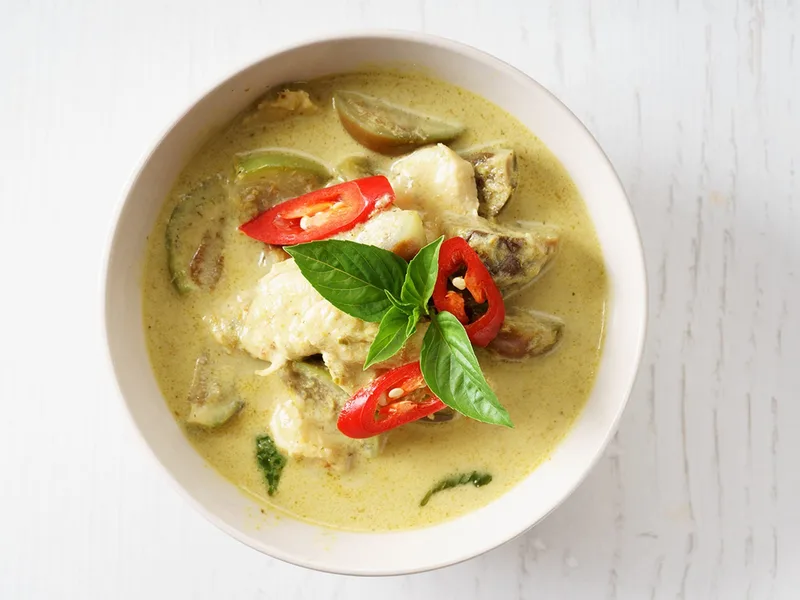
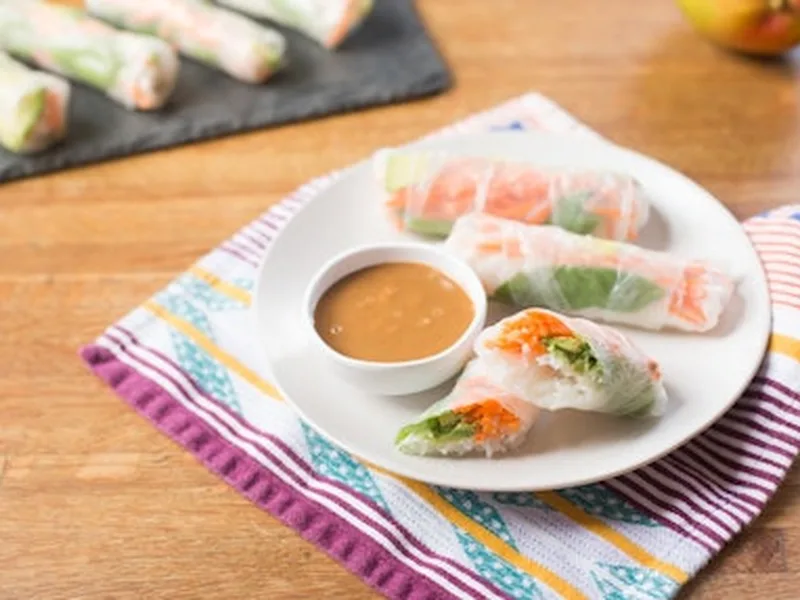
Instant Pot Green Curry with Chicken and Vegetables
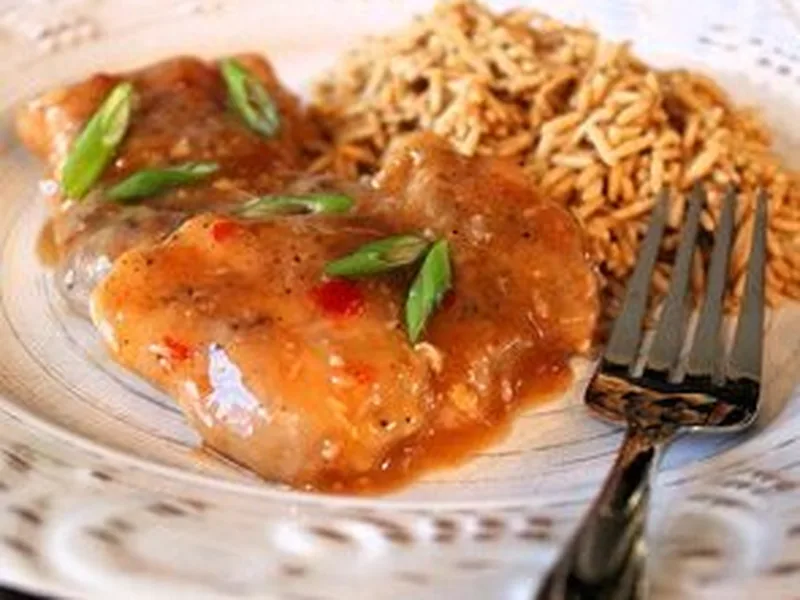
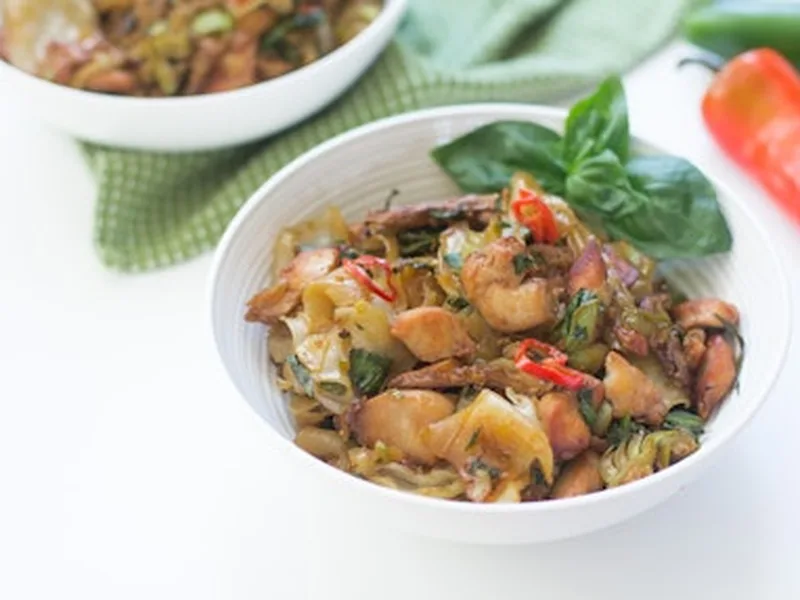
Weeknight Sweet Chili Chicken with Ginger and Garlic
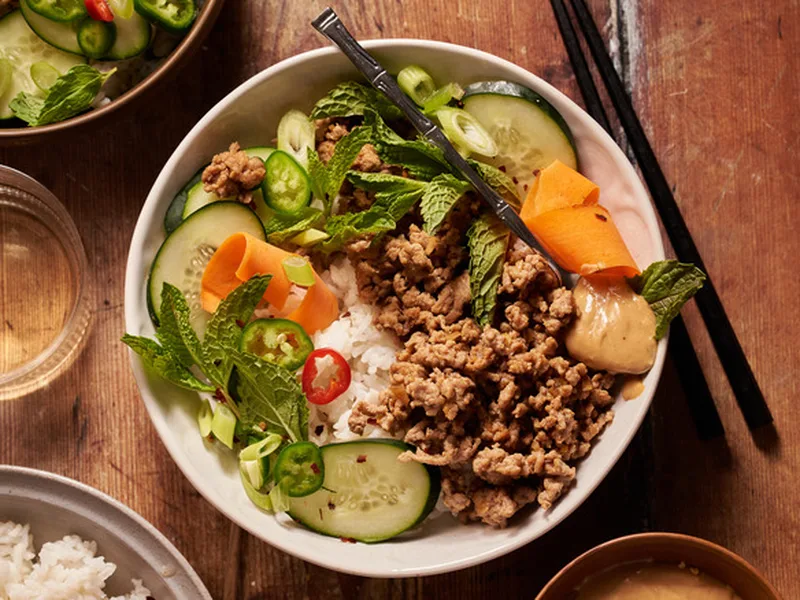
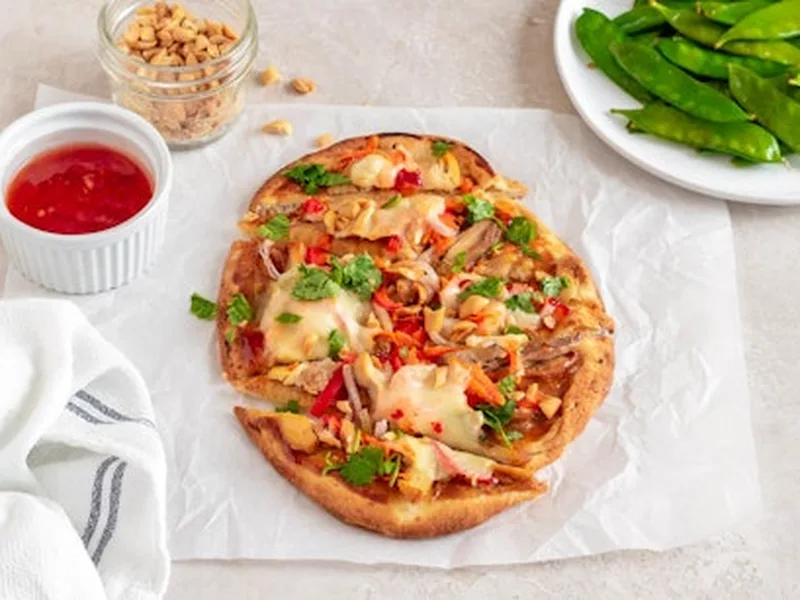
Thai Ginger Pork Bowls with Peanut Sauce

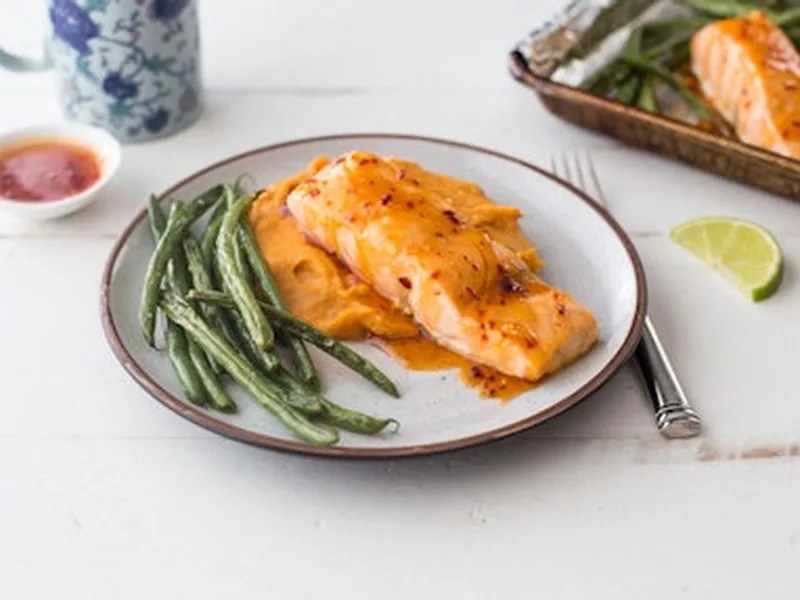
Thai Pumpkin Chex Mix with Curry Paste and Coconut
Thai cooking balances four tastes in nearly every dish. Sweet, sour, salty, bitter. Fish sauce provides salt. Palm sugar or regular sugar adds sweetness. Lime juice brings acid. Chilies and herbs deliver heat and bitterness.
A proper pad thai uses 2 tablespoons fish sauce, 2 tablespoons palm sugar, and 1 tablespoon tamarind paste for every 8 ounces of noodles. That ratio appears everywhere. Tom yum soup? Same balance, different ingredients.
You need a hot wok. Really hot. Restaurant burners hit 100,000 BTUs. Your home stove manages 15,000 BTUs on a good day. The workaround is cooking in small batches, maybe 2 servings at a time. Let that wok smoke before adding oil.
Fish sauce smells terrible. Tastes amazing. Buy a Thai or Vietnamese brand like Tiparos or Red Boat. The bottle should list only anchovies and salt. Skip anything with added sugar or preservatives.
Coconut milk comes in cans. Shake the can first. If you hear liquid sloshing, put it back. Good coconut milk separates into thick cream on top, thin milk below. You want that separation for curries. The cream fries in oil first, developing flavor before you add the watery part.
Most Thai dishes cook in under 15 minutes once you start. Prep takes longer. Pound curry paste in a mortar for 20 minutes. Slice vegetables uniformly so they cook evenly. Soak tamarind pulp in hot water, then push through a strainer.
Green papaya salad requires an actual green papaya, not an unripe regular papaya. Different fruit entirely. Find them at Asian grocery stores, hard as a potato. Shred with a julienne peeler or pound with a knife.
Thai basil wilts instantly. Add it off heat, stirring just until it softens. Regular basil won't work. Neither will dried Thai basil. Some ingredients have no substitutes.