Thai Recipes
73 recipes
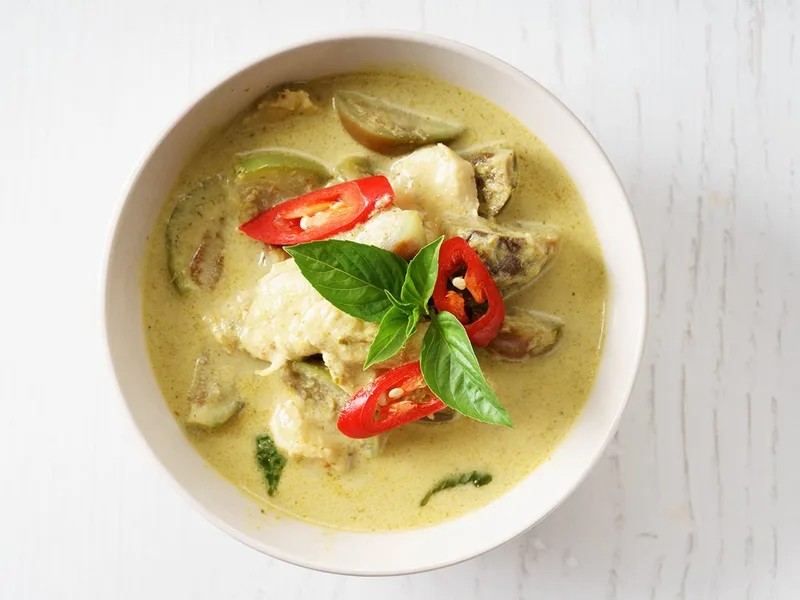
Instant Pot Green Curry with Chicken and Vegetables
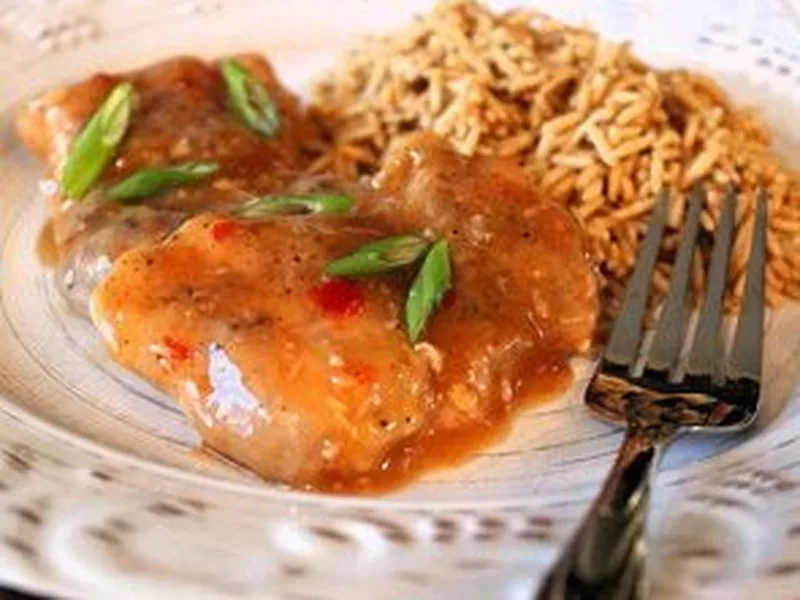
Weeknight Sweet Chili Chicken with Ginger and Garlic
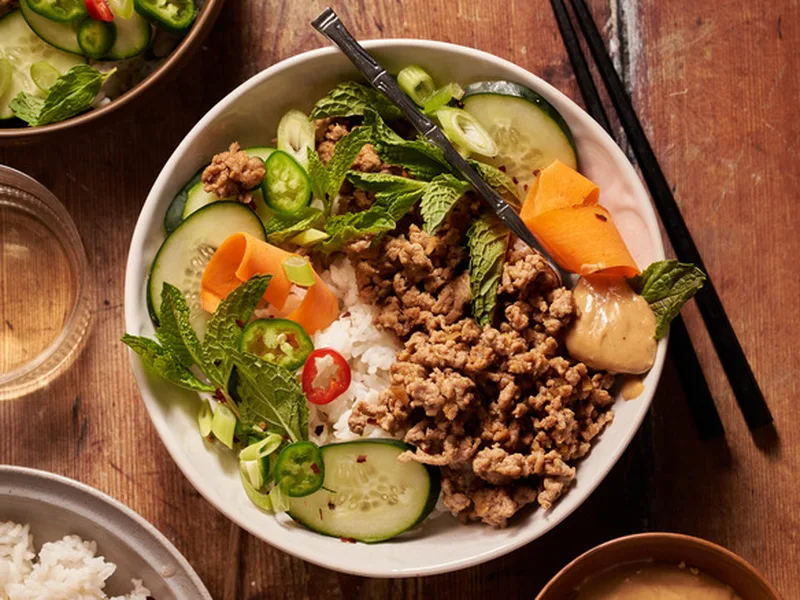
Thai Ginger Pork Bowls with Peanut Sauce

Thai Pumpkin Chex Mix with Curry Paste and Coconut
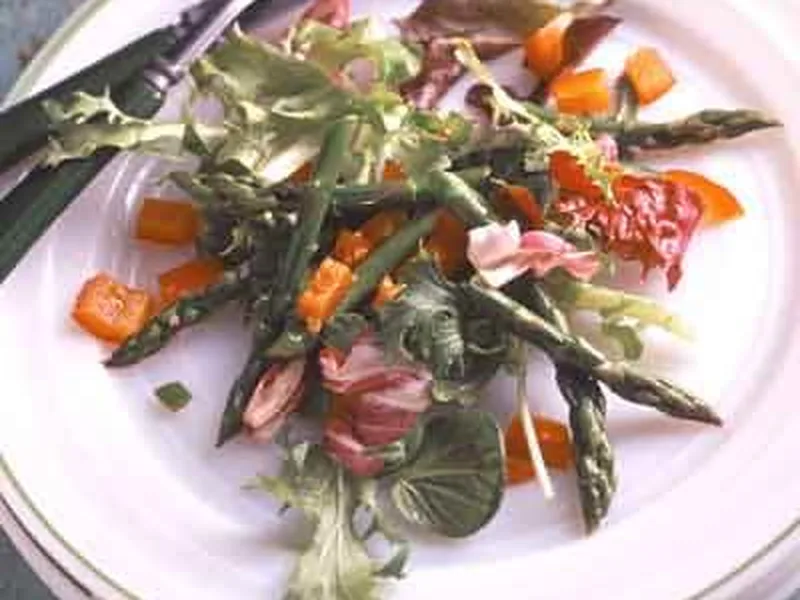
Thai Stir-Fried Vegetables Over Mixed Greens
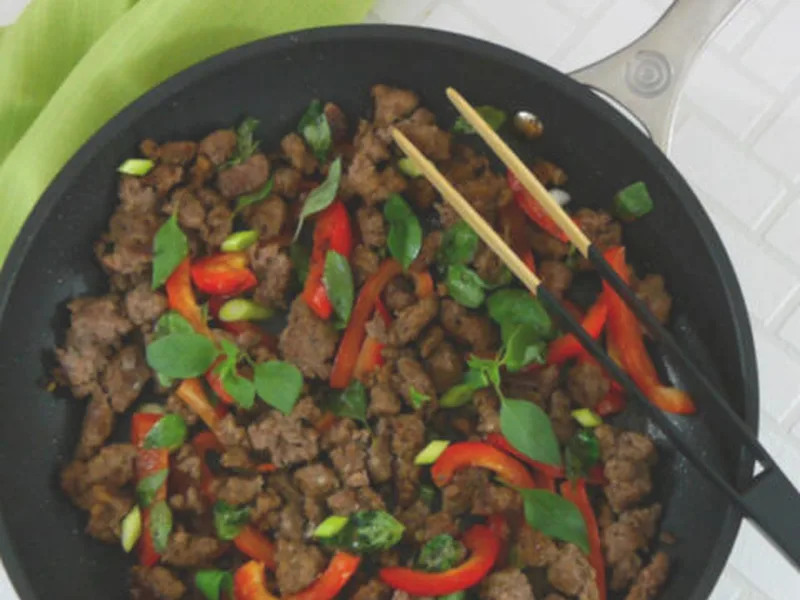
Thai Basil Beef Stir-Fry with Fish Sauce
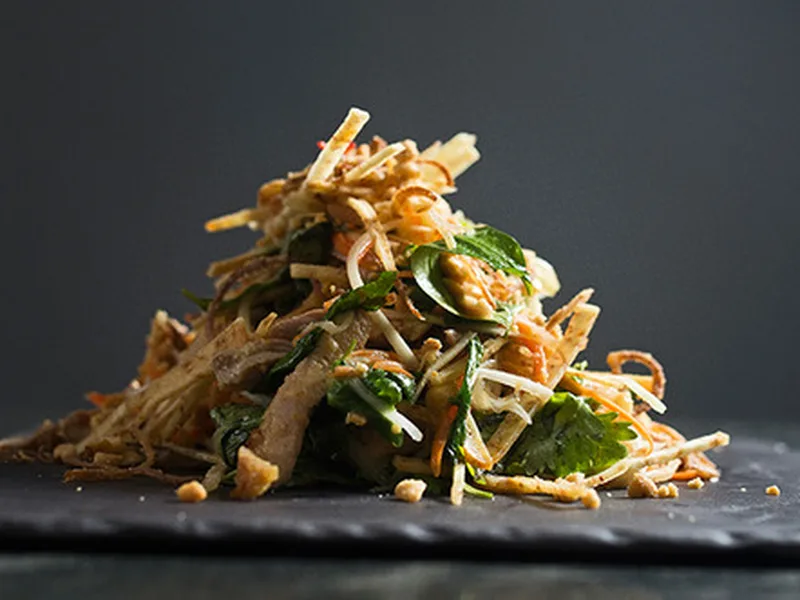
Thai Green Papaya Salad with Grilled Chicken
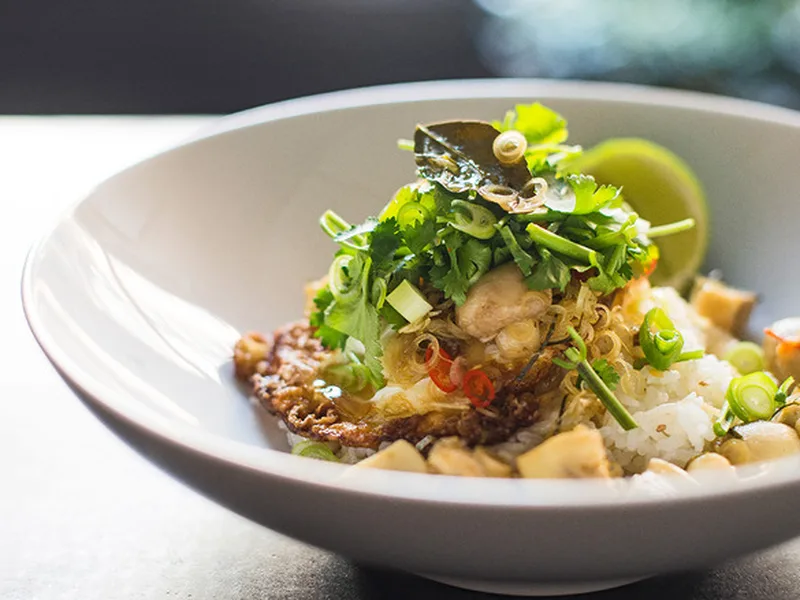
Thai-Pickled Mushrooms with Fried Egg and Rice

Grilled Keto Chicken Satay Skewers with Peanut Sauce
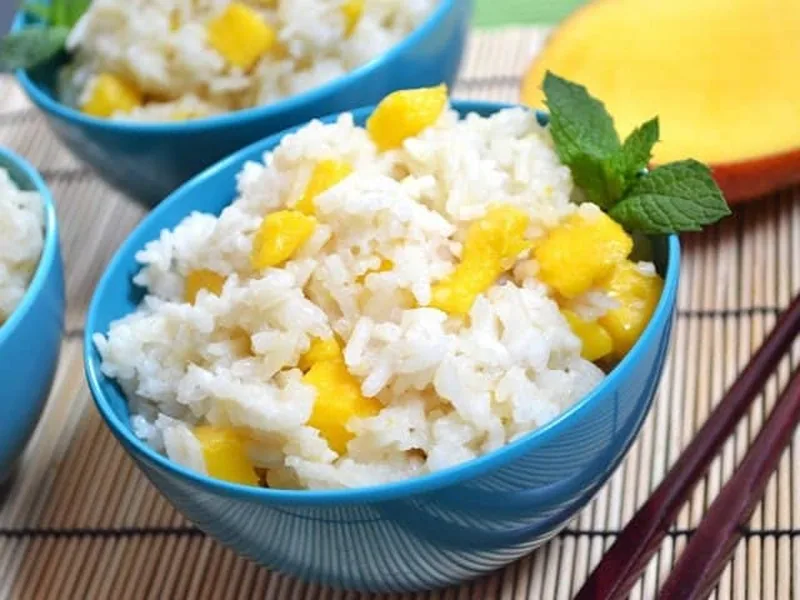
Coconut Milk Jasmine Rice with Fresh Mango and Honey
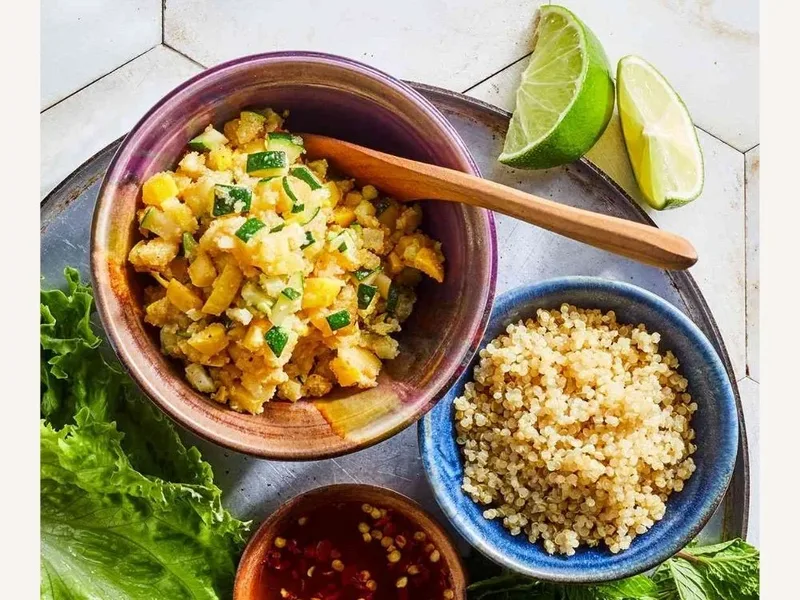
Thai Zucchini Larb with Toasted Rice & Quinoa
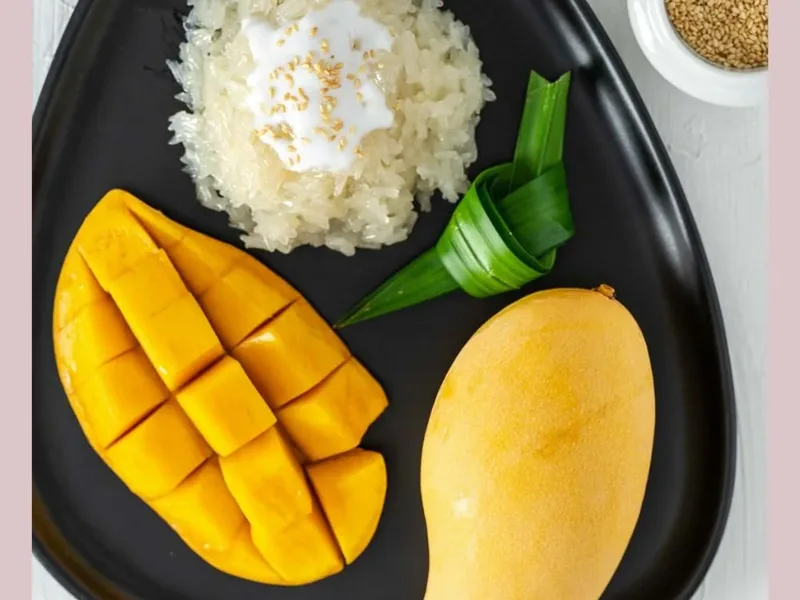
Thai Sweet Sticky Rice with Mango (Khao Neeo Mamuang)
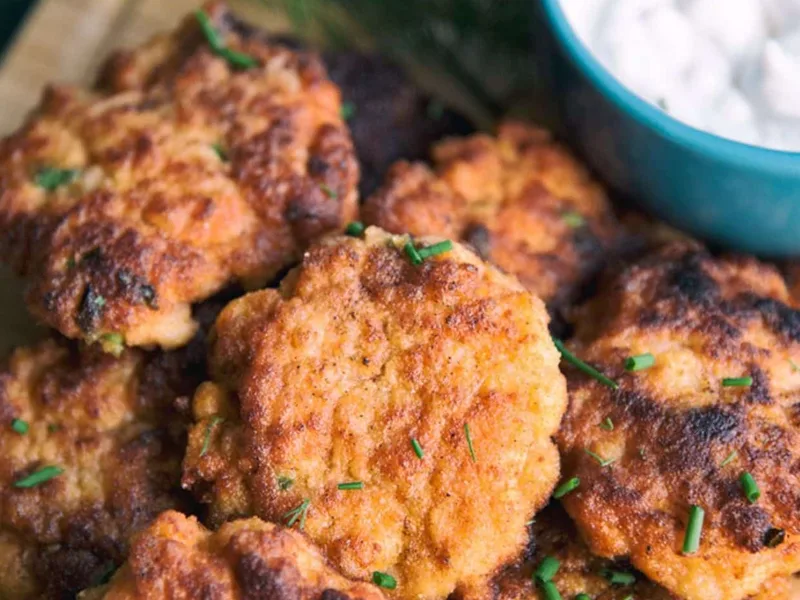
Thai Style Coconut Flour Shrimp Patties with Red Curry Paste
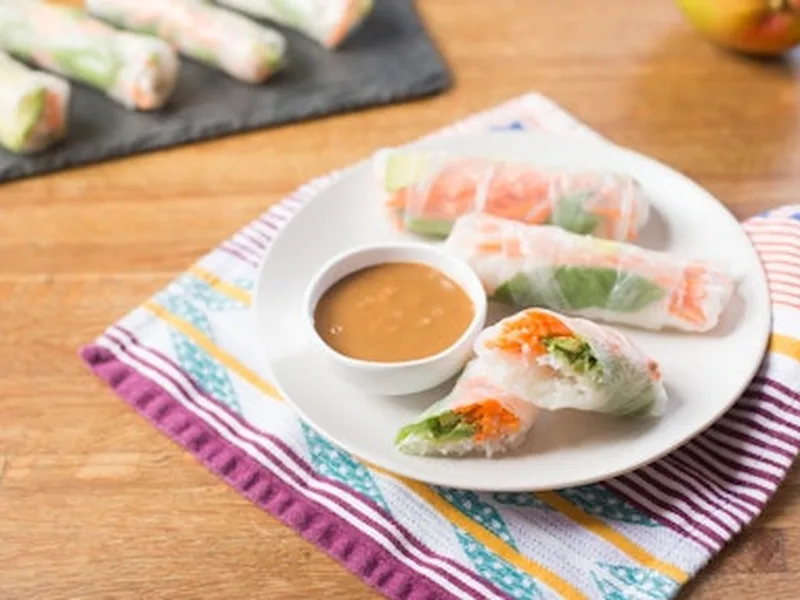
Red Curry Pork Lettuce Cups with Cashew Dipping Sauce
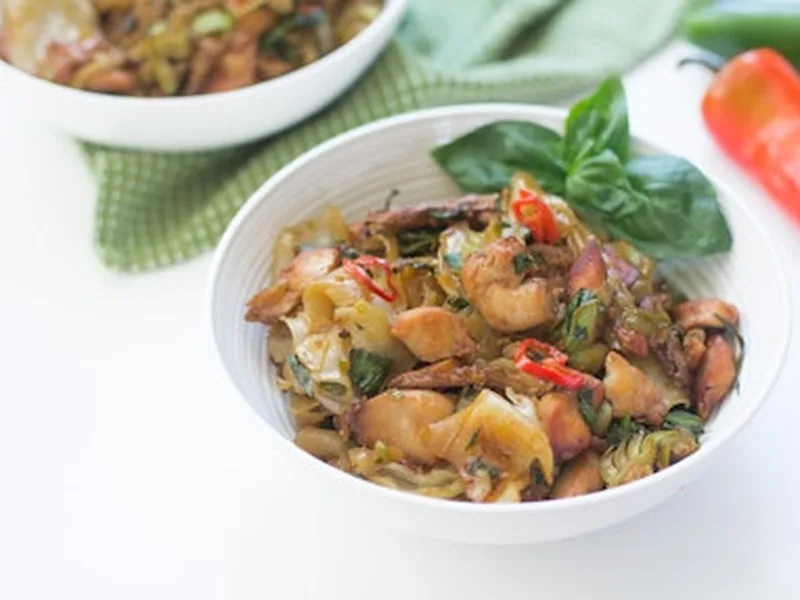
Thai Minced Pork Herb Salad in Lettuce Cups (Laab Moo)
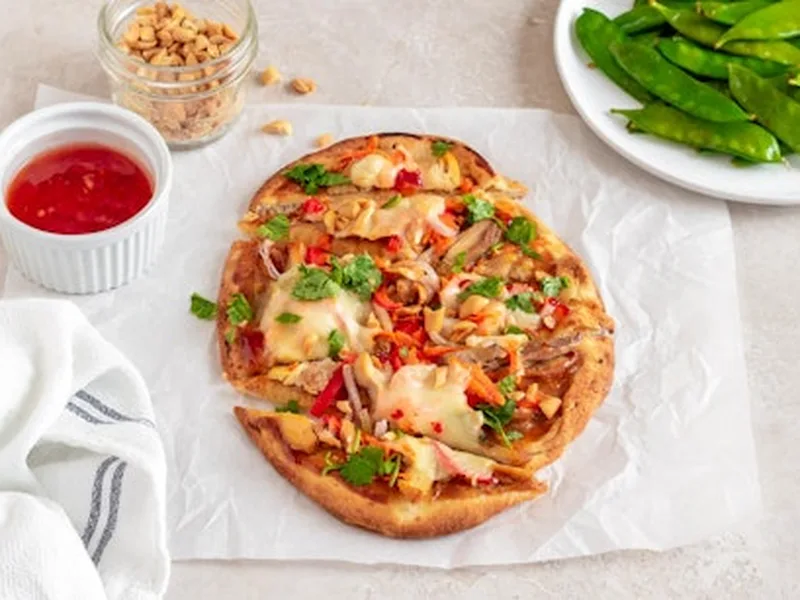
Thai Grilled Tofu Naan Pizza with Peanut Sauce
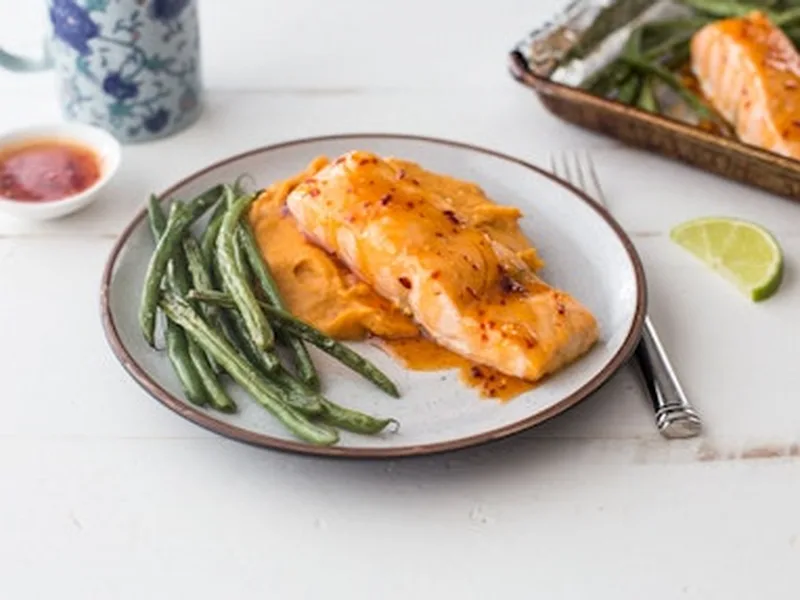
Sheet Pan Sweet Thai Chili Salmon with Green Beans

Spicy Thai Cry Baby Rice Noodles with Chinese Sausage
Slow-Braised Coconut Red Curry Chuck Roast
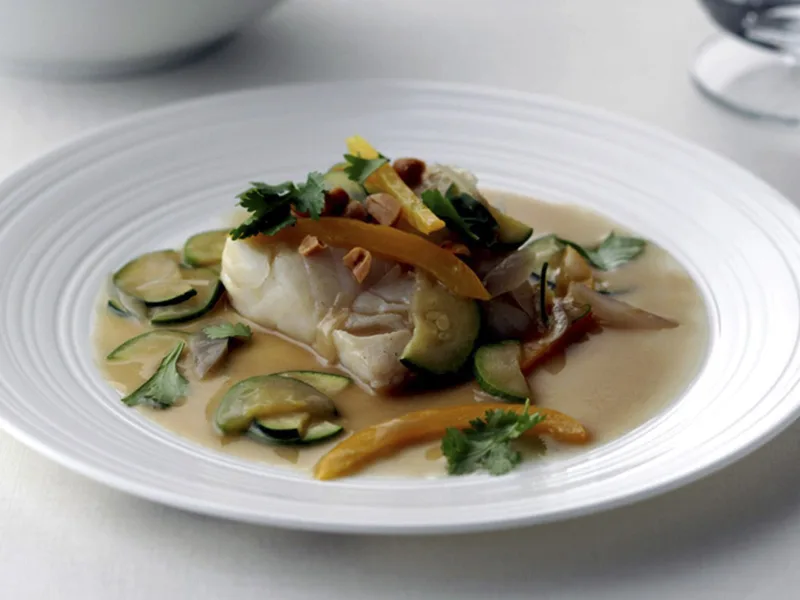
Thai Coconut-Roasted Ginger Fish with Vegetables
Mango Sticky Rice Chia Pudding with Coconut
Spring Vegetable Pad Thai with Fresh Peas and Asparagus
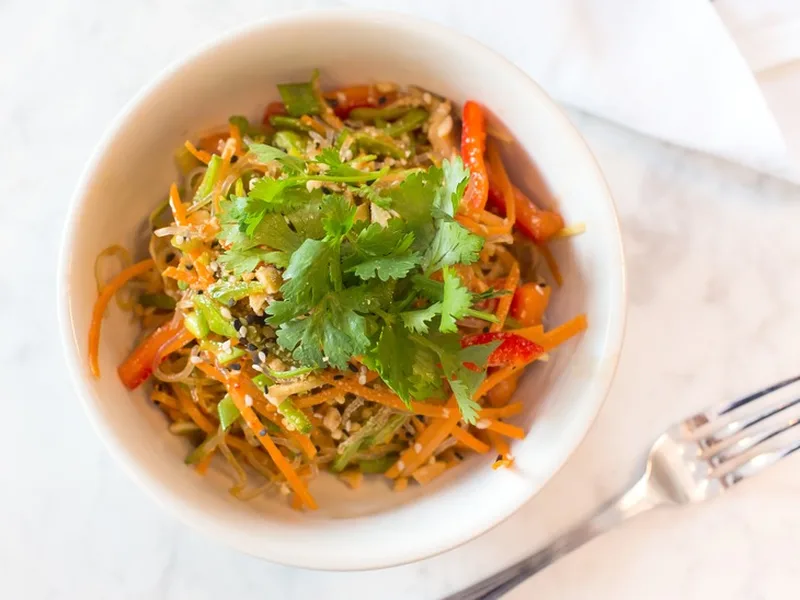
Raw Kelp Noodle Pad Thai with Tamarind Sauce
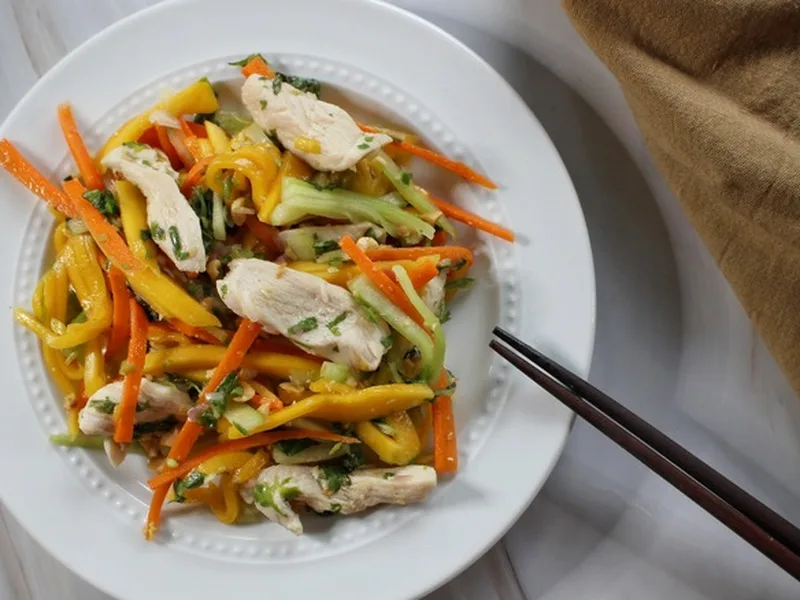
Thai Green Mango and Chicken Salad
Thai cooking balances four tastes in nearly every dish. Sweet, sour, salty, bitter. Fish sauce provides salt. Palm sugar or regular sugar adds sweetness. Lime juice brings acid. Chilies and herbs deliver heat and bitterness.
A proper pad thai uses 2 tablespoons fish sauce, 2 tablespoons palm sugar, and 1 tablespoon tamarind paste for every 8 ounces of noodles. That ratio appears everywhere. Tom yum soup? Same balance, different ingredients.
You need a hot wok. Really hot. Restaurant burners hit 100,000 BTUs. Your home stove manages 15,000 BTUs on a good day. The workaround is cooking in small batches, maybe 2 servings at a time. Let that wok smoke before adding oil.
Fish sauce smells terrible. Tastes amazing. Buy a Thai or Vietnamese brand like Tiparos or Red Boat. The bottle should list only anchovies and salt. Skip anything with added sugar or preservatives.
Coconut milk comes in cans. Shake the can first. If you hear liquid sloshing, put it back. Good coconut milk separates into thick cream on top, thin milk below. You want that separation for curries. The cream fries in oil first, developing flavor before you add the watery part.
Most Thai dishes cook in under 15 minutes once you start. Prep takes longer. Pound curry paste in a mortar for 20 minutes. Slice vegetables uniformly so they cook evenly. Soak tamarind pulp in hot water, then push through a strainer.
Green papaya salad requires an actual green papaya, not an unripe regular papaya. Different fruit entirely. Find them at Asian grocery stores, hard as a potato. Shred with a julienne peeler or pound with a knife.
Thai basil wilts instantly. Add it off heat, stirring just until it softens. Regular basil won't work. Neither will dried Thai basil. Some ingredients have no substitutes.
Essential Ingredients
Key Techniques
FAQ
What wok should I buy for Thai cooking?
Carbon steel woks work best, 14 inches diameter minimum. Season it like cast iron. Nonstick woks can't handle the 500F+ temperatures Thai stir-fries need. Round-bottom woks require a wok ring for stability on home stoves. Expect to pay $30-50 for a decent one. Your first 10 dishes might taste metallic until the wok develops patina.
Can I make Thai curry from scratch without a mortar and pestle?
You can, but the texture suffers. Granite mortars with 2-cup capacity cost about $25. Food processors chop rather than crush, releasing different flavors. If you must use a processor, add 2 tablespoons water and pulse in 5-second bursts. Hand-pounded paste takes 20 minutes but lasts 2 weeks refrigerated.
Why does my pad thai turn out mushy?
Soak rice noodles in room temperature water for 45-60 minutes until pliable but still firm. Never use boiling water. Cook over highest heat for just 2-3 minutes once drained. Most home versions fail because of low heat or overcooked noodles. Work in 1-2 portion batches maximum.
How spicy should authentic Thai food be?
Thai restaurants typically use 5-10 fresh chilies per single serving. That equals 250,000-500,000 total Scoville units. Most Americans prefer 1-3 chilies. Start conservative and increase gradually. Remember that coconut milk reduces heat by about 50%, while sugar amplifies spicy perception.