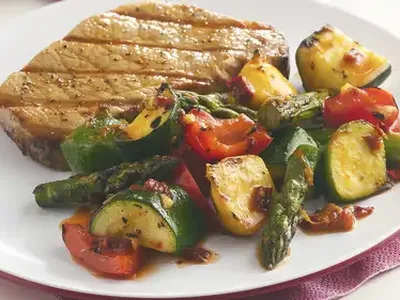
How to Char Grill
Char grilling cooks food directly over high heat, creating dark grill marks and a smoky crust. The technique uses temperatures between 450F and 650F to caramelize sugars and proteins on the food's surface.
Why it matters
Char grilling creates flavor compounds you can't get from any other cooking method. The Maillard reaction happens fast at 500F+, building complex tastes in 2-3 minutes per side. Direct flame contact adds carbon compounds that taste smoky. Indoor cooking methods max out at 450F and lack the open flame that makes char grilling unique.
What you need
Steps
Heat your grill to 500F-550F with the lid closed for 15 minutes. Hold your hand 6 inches above the grates. You should only manage 2-3 seconds before pulling away. The metal should look slightly gray, not black.
Clean the grates with your wire brush while hot. Fold a paper towel into quarters, dip in oil, then grip with tongs. Wipe the grates 3-4 times until they shine. The oil will smoke immediately.
Pat your food completely dry with paper towels. Moisture creates steam, which prevents char marks. Season with salt 5 minutes before grilling. Oil the food, not the grates, using 1 teaspoon oil per 4 ounces of meat or vegetables.
Place food on the grill at a 45-degree angle to the grates. Don't move it for 3-4 minutes. You'll hear active sizzling for the first 30 seconds, then it quiets down. When edges start browning and food releases easily, it's ready to flip.
Rotate food 90 degrees halfway through cooking each side for crosshatch marks. A 1-inch thick steak needs 4 minutes per side for medium-rare (135F internal). Vegetables take 2-3 minutes per side until edges char and centers soften.
Check internal temperature 1 inch from the edge. Pull meat 5 degrees before target temp. It continues cooking while resting. Let meat rest 5 minutes on a cutting board. The juices will redistribute instead of spilling out when cut.
Common Mistakes
Moving food too soon
What happens: Food tears, leaving pieces stuck to grates and no char marks
Fix: Wait until food releases naturally, usually 3-4 minutes
Using low heat (under 450F)
What happens: Food steams and turns gray instead of developing char
Fix: Preheat to 500F minimum and keep the lid open while cooking
Overcrowding the grill
What happens: Temperature drops below 400F and food steams
Fix: Leave 2 inches between pieces and cook in batches
Flipping constantly
What happens: No crust forms and food cooks unevenly
Fix: Flip only once per side for thin items, twice for thick
Troubleshooting
Flare-ups engulf the food in flames
Then: Move food to cooler side of grill immediately. Trim visible fat to 1/8 inch before grilling. Keep a spray bottle of water nearby for small flares.
Outside burns before inside cooks
Then: Create a two-zone fire with coals on one side. Sear over high heat 2 minutes per side, then move to cooler side to finish. Target 350F on the cool side.
Food sticks despite oiling
Then: Your grill isn't hot enough or grates need deeper cleaning. Heat to 550F and scrub with crumpled aluminum foil. Re-season with 3 coats of oil.
Related Techniques
FAQ
What's the difference between char grilling and regular grilling?
Char grilling specifically targets temperatures above 500F to create pronounced grill marks and carbonization. Regular grilling often happens at 350F-450F for gentler cooking. Char grilling takes 6-10 minutes total for most foods. Regular grilling might take 15-30 minutes. The higher heat of char grilling creates flavor compounds that form only above 480F.
Can I char grill indoors?
Cast iron grill pans reach 450F-500F on high heat, creating some char flavor. They won't match outdoor grills that hit 650F+. Preheat your grill pan for 10 minutes on high. You'll see light smoke when ready. Open windows and turn on exhaust fans. The results are about 70% as good as outdoor char grilling.
How do I know when my grill is hot enough?
Use the hand test 6 inches above grates. At 500F, you'll pull away after 2-3 seconds. At 450F, you can hold for 4-5 seconds. An infrared thermometer gives exact readings. Point it at the grates from 12 inches away. For charcoal, look for white ash coating 75% of the coals.
Should I use charcoal or gas for char grilling?
Charcoal burns hotter, reaching 700F+ for superior char. Gas grills typically max at 550F-600F but offer better control. Lump charcoal beats briquettes for high heat. Use 5 pounds of lump charcoal for a 22-inch kettle grill. Gas works fine if your grill hits 500F+. Both create good char with proper technique.
Recipes Using This Technique
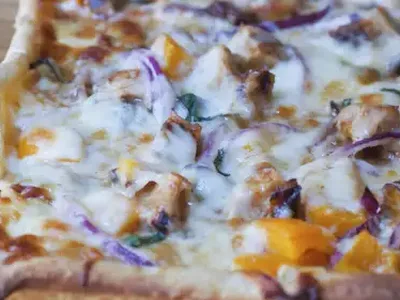
Grilled Bourbon-Chicken Pizza with Chipotle Barbecue Sauce
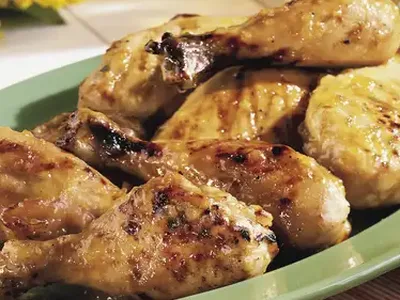
Grilled Chicken with Spicy Peach Glaze
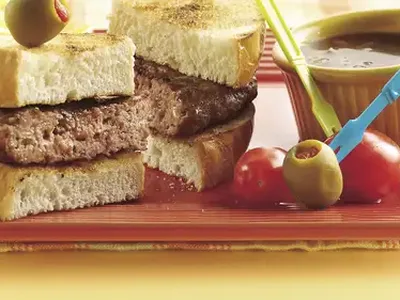
Grilled French Dip Burgers with Onion Soup Broth
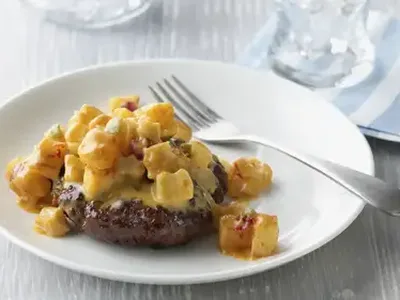
Grilled Taco Burger and Potato Foil Packs
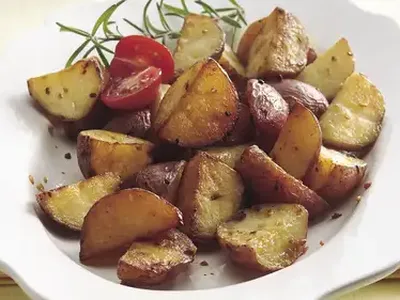
Seasoned Grilled New Potatoes with Garlic Butter