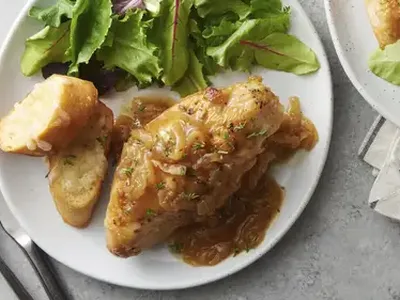
How to Cook Chicken Breast
Cooking chicken breast means applying heat to turn raw poultry into safe, tender meat with an internal temperature of 165F. The technique prevents dryness while developing flavor through browning, seasoning, or marinating.
Why it matters
Properly cooked chicken breast stays juicy with a golden crust instead of turning into rubber. You get 26 grams of protein per 3-ounce serving without excess fat. The neutral flavor takes on any seasoning profile. Raw chicken carries salmonella risk that only proper cooking eliminates.
What you need
Steps
Pound chicken breasts to even thickness between 3/4 and 1 inch using a meat mallet through plastic wrap. Thick spots take 8-10 minutes longer to cook than thin edges. You hear a dull thud when the meat flattens properly.
Pat chicken completely dry with paper towels until no moisture beads remain on the surface. Season both sides with 1/2 teaspoon salt per breast 15 minutes before cooking. The salt dissolves into the meat fibers.
Heat 2 tablespoons oil in your skillet over medium-high heat for 2-3 minutes until the oil shimmers and slides freely across the pan. A drop of water should sizzle immediately on contact.
Place chicken smooth-side down without moving for 6-7 minutes until golden brown crust forms and meat releases easily when lifted with tongs. The sizzling sound decreases as moisture evaporates from the surface.
Flip once and cook 5-6 more minutes until thermometer reads 160F in the thickest part. The second side browns faster. Juices run clear when you press the center with tongs.
Transfer to a plate and tent loosely with foil for 5 minutes. Temperature climbs to safe 165F during rest. The fibers relax and reabsorb juices that would spill out if cut immediately.
Common Mistakes
Cooking straight from fridge
What happens: Center stays raw while outside burns
Fix: Let chicken sit at room temperature 20 minutes before cooking
Using high heat the whole time
What happens: Burnt crust with pink interior
Fix: Start medium-high then reduce to medium after flipping
Cutting to check doneness
What happens: Juices escape leaving dry meat
Fix: Use thermometer through the side into center
Crowding the pan
What happens: Steam instead of sear, no browning
Fix: Leave 2 inches between pieces or cook in batches
Troubleshooting
if chicken sticks to pan when trying to flip
Then: Wait 2 more minutes for crust to form properly then try again
if outside burns before inside cooks
Then: Move pan to 350F oven for final 5-8 minutes
if chicken tastes bland despite seasoning
Then: Brine in 1/4 cup salt per quart water for 2 hours before cooking
Related Techniques
FAQ
Can I cook frozen chicken breast?
Add 50% more cooking time for frozen meat, about 18-20 minutes total instead of 12-13 minutes. The internal temperature still needs to reach 165F. Frozen breasts release more water so they steam rather than sear. Thaw overnight in the refrigerator for better results.
How do I know when chicken is done without a thermometer?
Press the thickest part with tongs. Raw chicken feels squishy like your relaxed palm. Cooked chicken firms up like the base of your thumb when making a fist. Clear juices run out when pressed, not pink. The meat springs back within 1-2 seconds when poked. These methods work but thermometers eliminate guesswork for the safe 165F target.
What's the white stuff that comes out when cooking?
Coagulated proteins push out when muscle fibers contract above 140F. This happens more with woody breast syndrome or previously frozen chicken. The white albumin tastes fine but looks unappetizing. Brining for 2 hours reduces protein pushout by 70%. Lower heat also minimizes the effect.
Why does my chicken breast dry out?
Chicken breast contains only 3% fat compared to 15% in thighs. Cooking past 165F internal temperature squeezes out moisture. Each 10 degrees over target loses 15% more juice. Use medium heat after initial sear. Remove at 160F and let carryover cooking finish the job during 5-minute rest.
Recipes Using This Technique
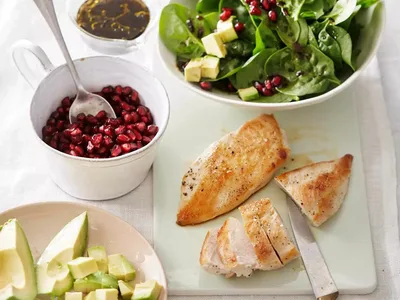
Avocado Spinach Salad with Chicken Breast
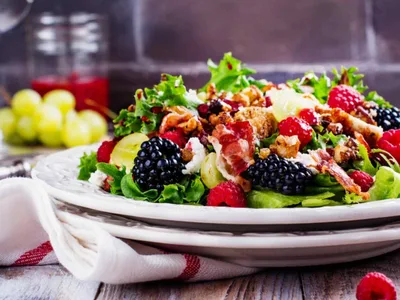
Grilled Chicken Summer Berry Salad with Raspberry Dressing
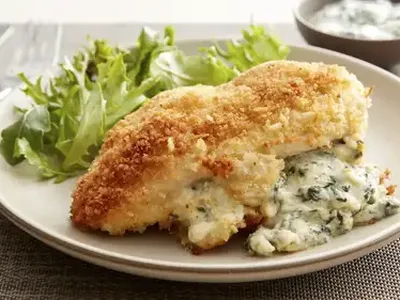
Crispy Pan-Seared Spinach and Artichoke Stuffed Chicken Breasts
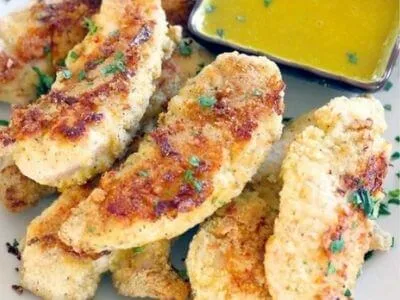
Gluten-Free Coconut Chicken Fingers
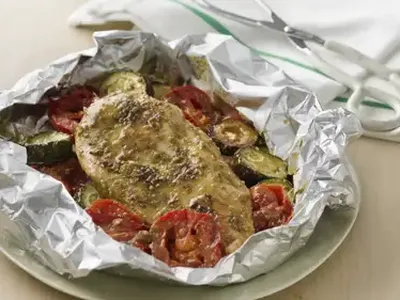
Grilled Pesto Chicken Foil Packets with Zucchini and Tomatoes