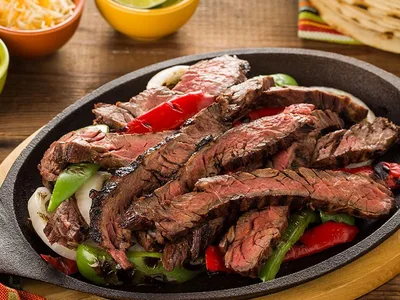
How to Cook Steak
Cooking steak means applying high heat to beef cuts to create a caramelized crust while maintaining a juicy interior. The technique relies on the Maillard reaction, which happens when proteins and sugars hit temperatures above 280F.
Why it matters
A properly cooked steak develops a dark brown crust that tastes like toasted nuts and caramel. The contrast between the crispy exterior and pink center can't happen with braising or stewing. You control the doneness from rare at 120F to well-done at 160F. The high heat locks in juices that low-temperature cooking lets escape.
What you need
Steps
Remove steak from refrigerator 30 minutes before cooking. Pat completely dry with paper towels until no moisture beads form on the surface. Season both sides with 1 teaspoon kosher salt and 1/2 teaspoon black pepper per pound. The meat should look matte, not shiny.
Heat your cast iron skillet over high heat for 5 minutes. Add 1 tablespoon oil. The oil should shimmer and barely start to smoke within 30 seconds. If black smoke appears, reduce heat to medium-high.
Lay the steak away from you to avoid splatter. Don't move it. Set a timer for 3-4 minutes for a 1-inch thick steak. You'll hear aggressive sizzling that gradually quiets to a gentle hiss. The edges will turn gray and moisture will pool on top.
Flip once using tongs. Never use a fork. The cooked side should be mahogany brown with no gray patches. If it's black or pale tan, adjust your heat. Cook another 3-4 minutes for medium-rare.
Check internal temperature at the thickest part. Remove at 120F for rare, 130F for medium-rare, 140F for medium. The temperature rises 5F while resting. Transfer to a cutting board.
Rest the steak for 5 minutes. Cover loosely with foil. Clear juices will collect on the board. The internal color evens out from edge to center during this time.
Slice against the grain at a 45-degree angle. Look for the muscle fiber lines running through the meat. Cut perpendicular to those lines. Each slice should be 1/2 inch thick.
Common Mistakes
Using a cold pan
What happens: The steak steams instead of searing, creating a gray exterior with no crust
Fix: Always preheat for 5 full minutes until a water droplet evaporates in under 2 seconds
Flipping too often
What happens: The surface never reaches 300F needed for browning
Fix: Flip exactly once, after 3-4 minutes per side
Cooking straight from the fridge
What happens: The outside burns while the center stays cold
Fix: Rest at room temperature for 30 minutes before cooking
Cutting immediately after cooking
What happens: Juices run out onto the board instead of redistributing through the meat
Fix: Always rest for 5 minutes minimum
Using the wrong oil
What happens: Olive oil smokes at 375F and turns bitter
Fix: Choose oils with smoke points above 400F like vegetable or grapeseed
Troubleshooting
if the steak curls up at the edges
Then: Score the fat cap every inch with shallow cuts to release tension
if the outside burns before the inside cooks
Then: Move to a 350F oven after searing both sides for 2 minutes
if no crust forms after 4 minutes
Then: Your steak is wet or the pan isn't hot enough. Dry again and increase heat
Related Techniques
FAQ
What's the best thickness for pan-searing steak?
Buy steaks between 1 and 1.5 inches thick. Thinner cuts cook through before developing a crust. Thicker than 1.5 inches won't cook evenly in a pan. A 1.25-inch ribeye takes 4 minutes per side for medium-rare at 130F. Adjust by 30 seconds per side for each quarter-inch difference in thickness.
Should I use butter or oil?
Start with oil because butter burns at 300F. Use 1 tablespoon of vegetable oil with a 450F smoke point. After flipping, you can add 2 tablespoons butter for the last 2 minutes. Tilt the pan and baste the steak with the foaming butter 5-6 times.
How do I know when my pan is hot enough?
Three tests work. First, hold your hand 6 inches above the pan. You should feel intense heat within 3 seconds. Second, a water droplet should dance and evaporate in under 2 seconds. Third, oil should shimmer and move like water within 30 seconds of adding it. Most stoves need 5 minutes on high to reach 450-500F.
What cuts work best for pan-searing?
Choose cuts under 1.5 inches thick with good marbling. Ribeye, strip steak, and filet mignon cost $15-30 per pound but guarantee tenderness. Cheaper options like sirloin ($8-12 per pound) or flat iron ($10-15) work if you slice thin against the grain. Avoid round or chuck steaks, which need slow cooking to break down tough fibers.
Recipes Using This Technique
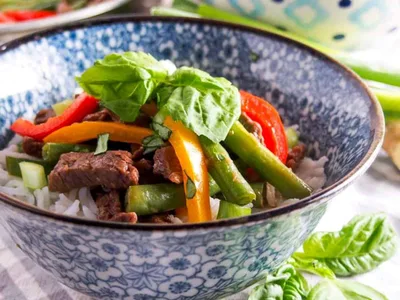
High-Heat Pepper Steak Stir Fry with Green Beans
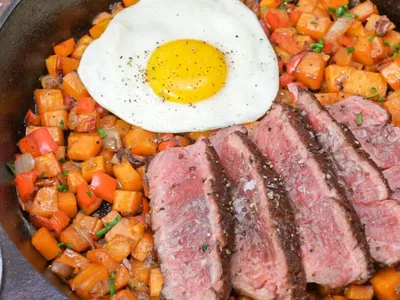
Cast Iron Steak and Sweet Potato Hash
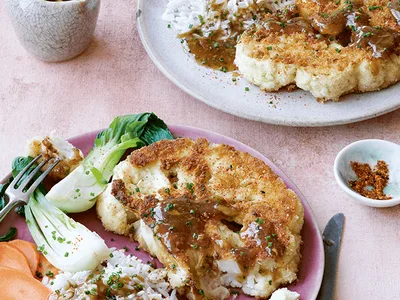
Paneed Cauliflower Steaks with Lemon Ginger Sauce
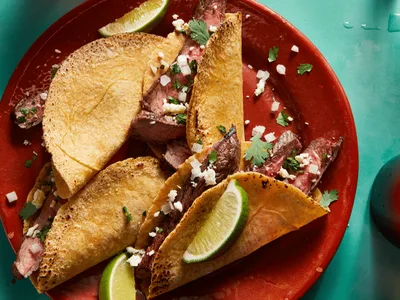
Tex-Mex Grilled Flank Steak Street Tacos
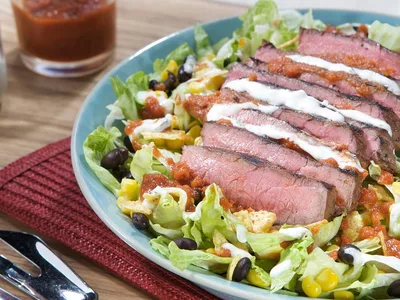
Grilled Top Round Ranch Salad with Salsa