Japanese Recipes
53 recipes
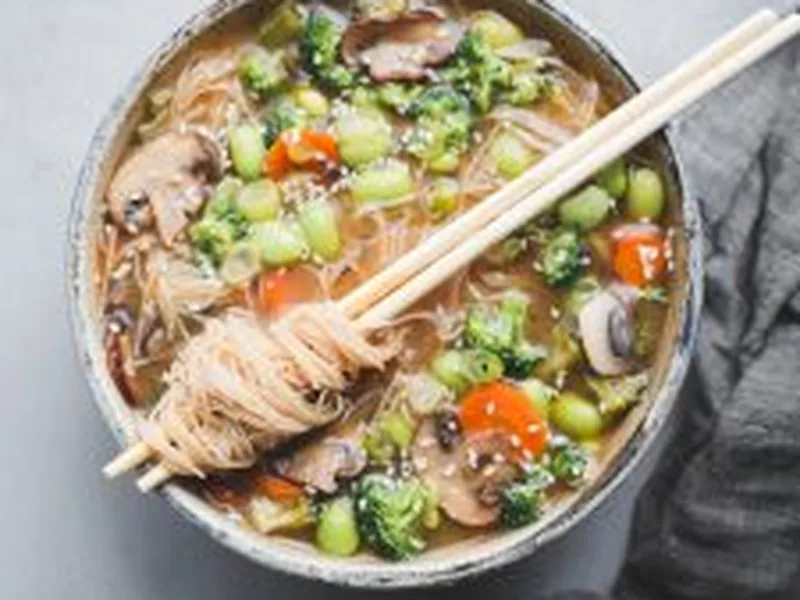
Quick Vegetable Noodle Miso Soup with Brown Rice Noodles
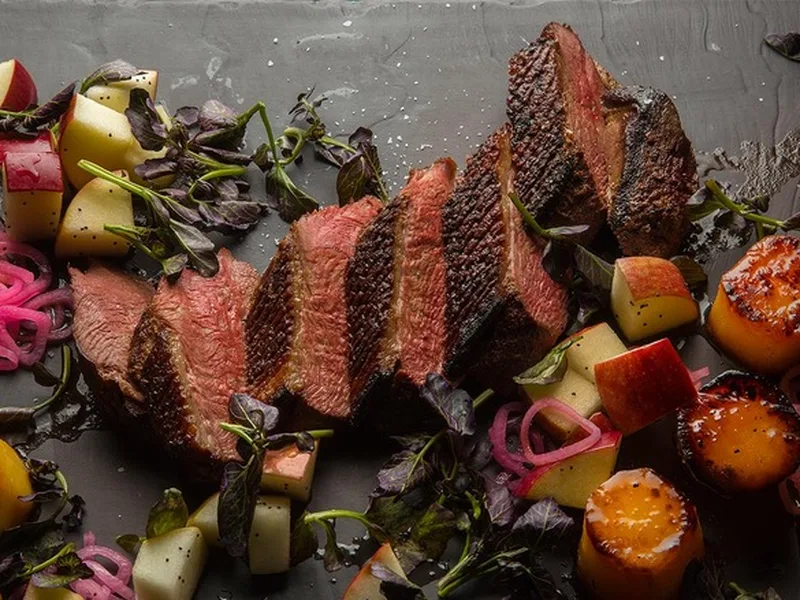
Seared Duck Breast with Glazed Sweet Potatoes and Pickled Garnishes
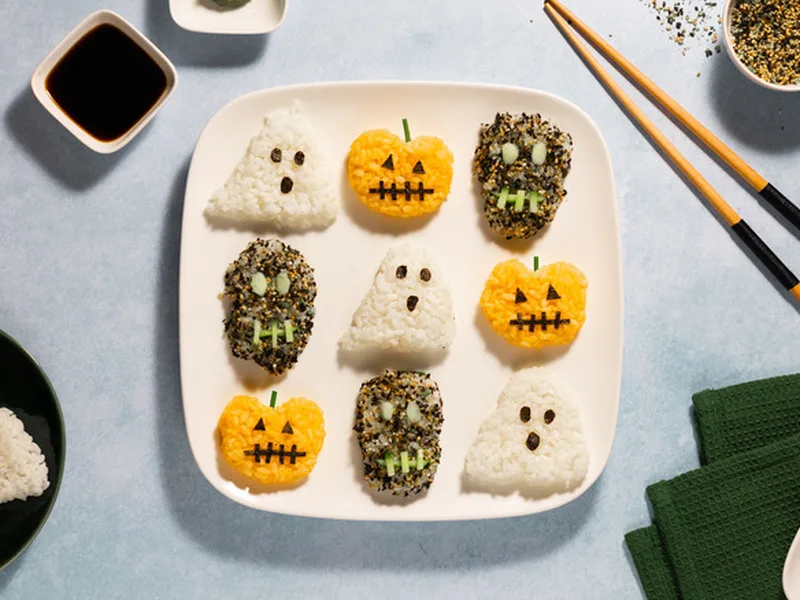
Halloween Onigiri: Pumpkin, Ghost & Skull Rice Balls
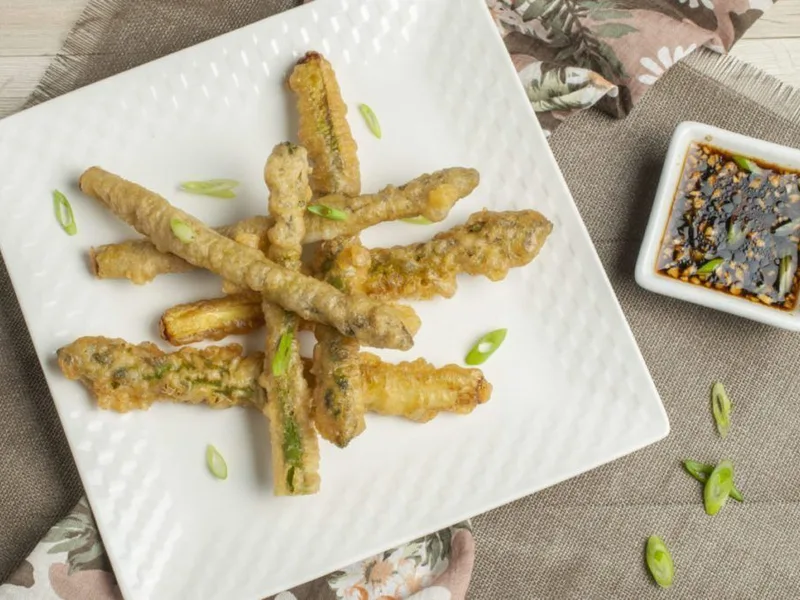
Crispy Tempura Asparagus with Soy-Ginger Dipping Sauce
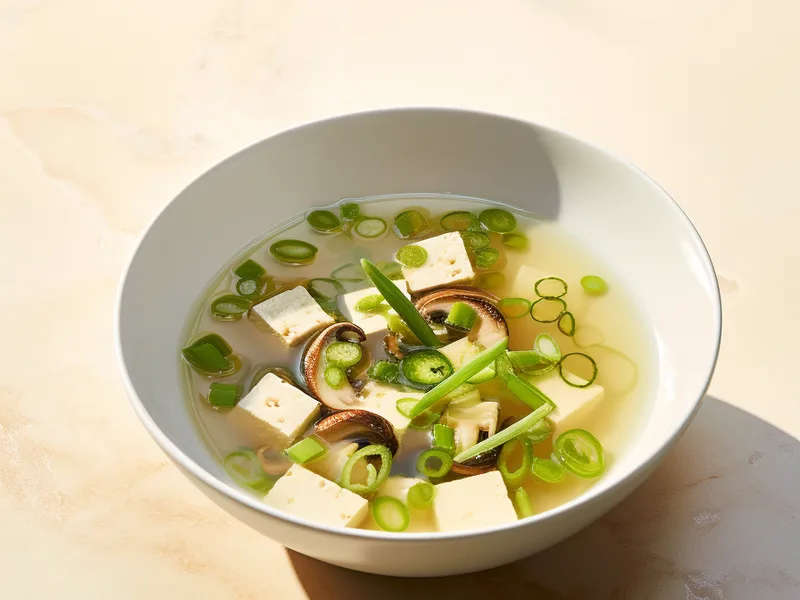
Miso Soup with Shiitake Mushrooms and Tofu
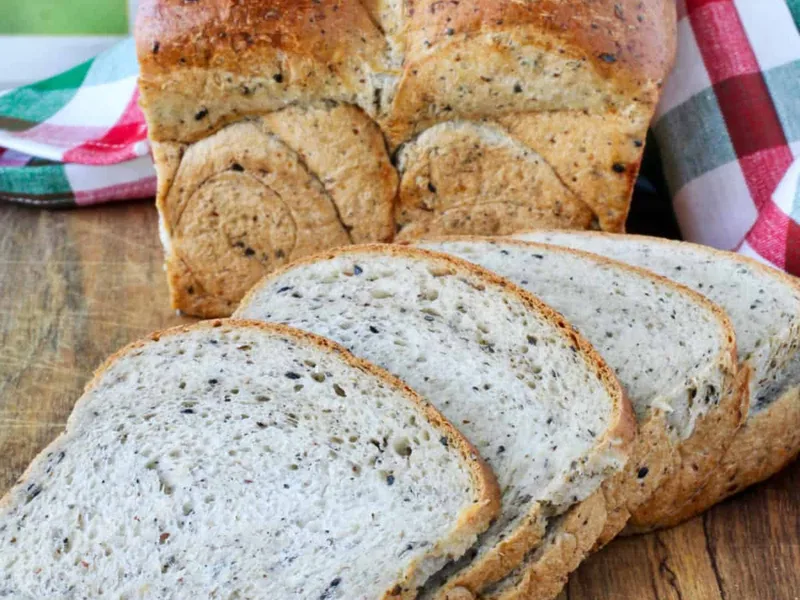
Black Sesame Japanese Milk Bread with Yudane Starter
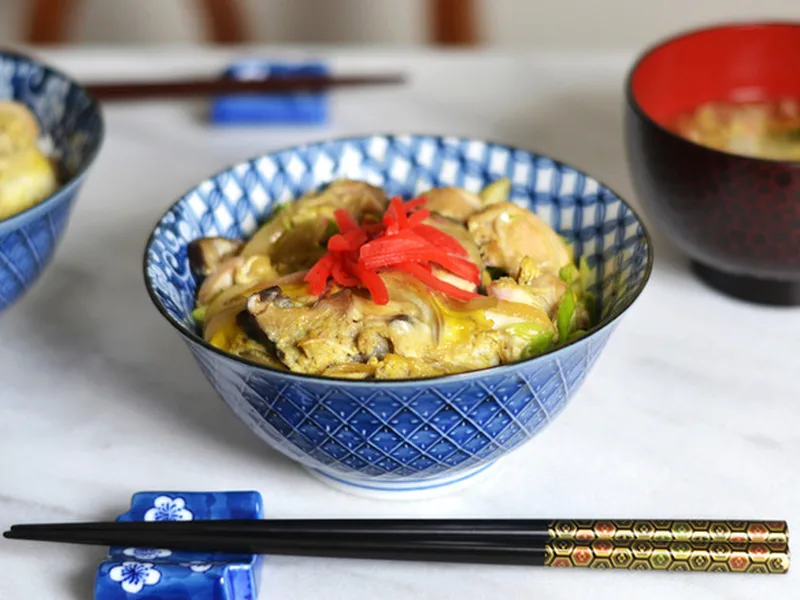
Oyakodon: Chicken and Egg Rice Bowl
Easy Grilled Asian Miso Chicken Wings with Garlic
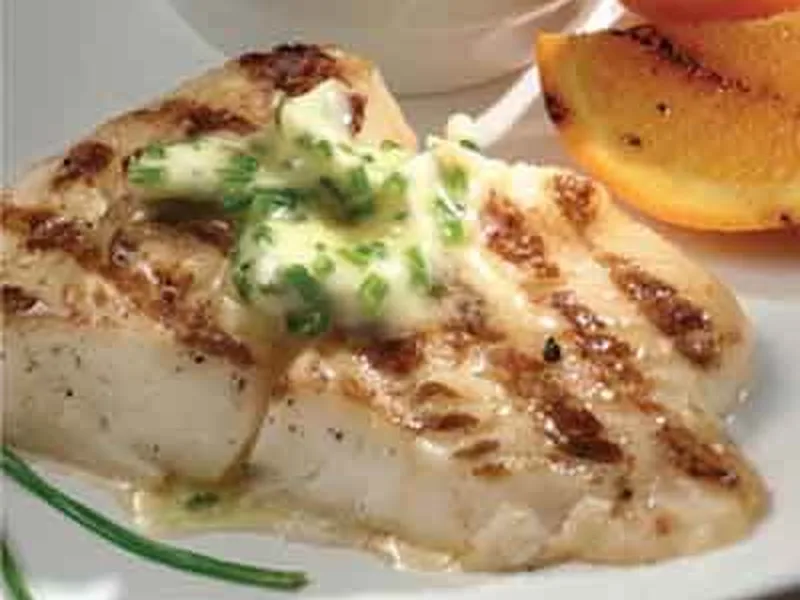
Grilled Halibut with Wasabi Butter
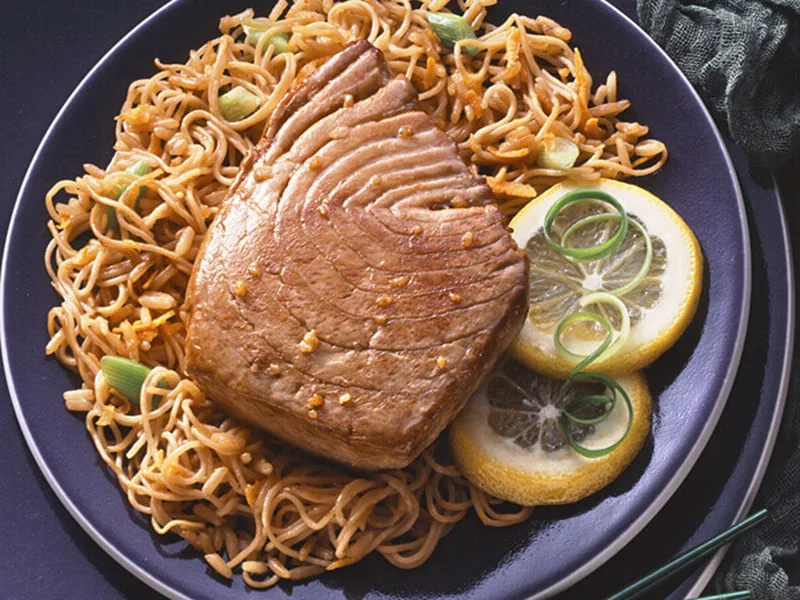
Teriyaki Tuna Steaks with Fried Rice and Noodles
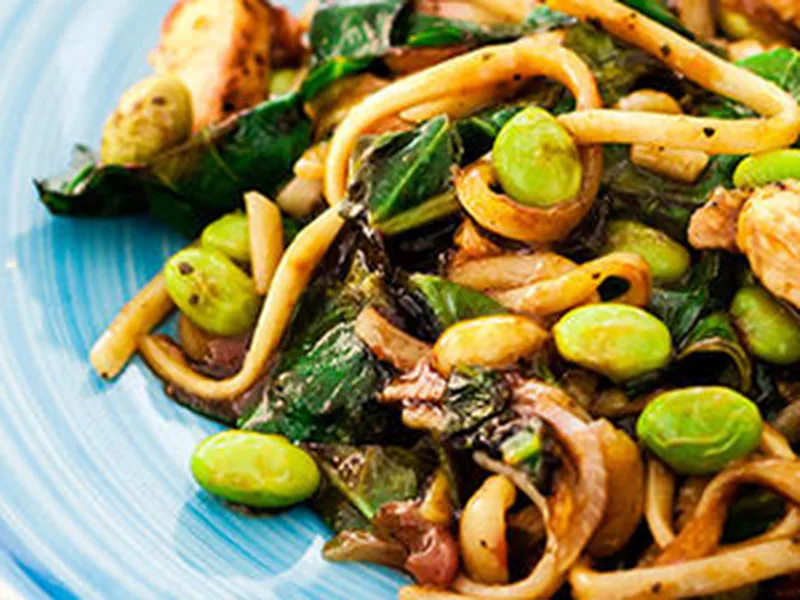
Asian Peanut Chicken and Soba Noodle Stir-Fry
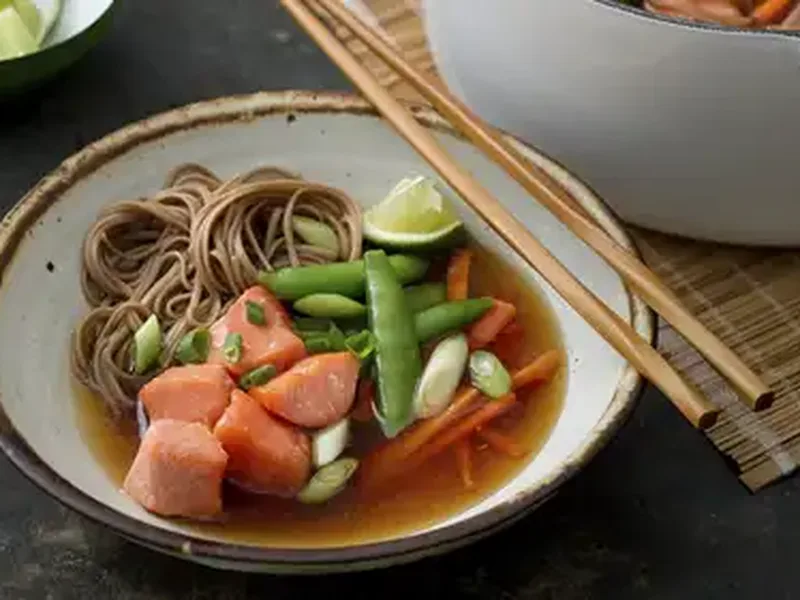
One-Pot Soba Salmon Bowl with Ginger Soy Broth
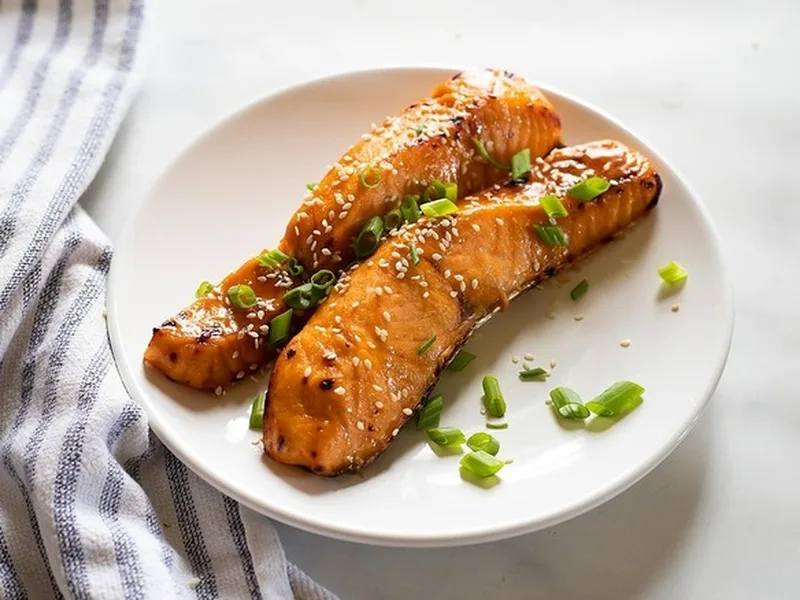
Air Fryer Teriyaki Salmon with Sesame Seeds
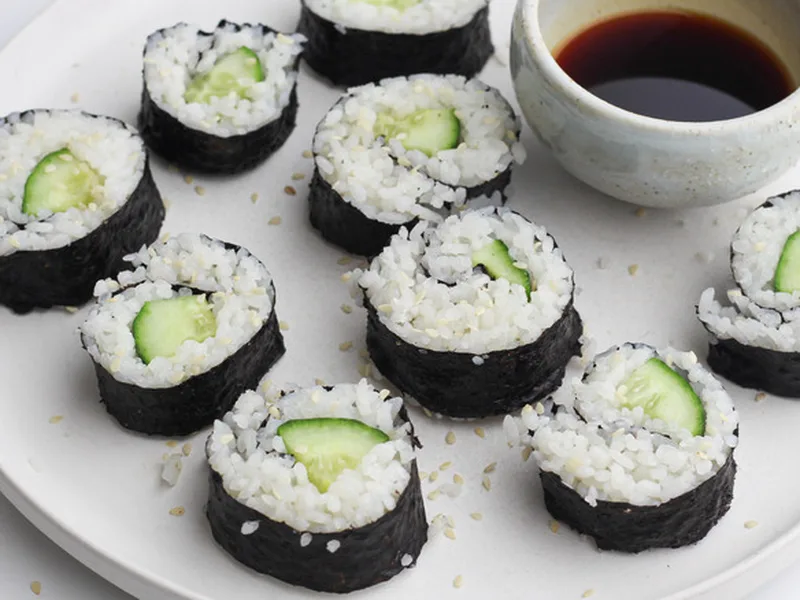
Homemade Cucumber Sushi Rolls, Easy
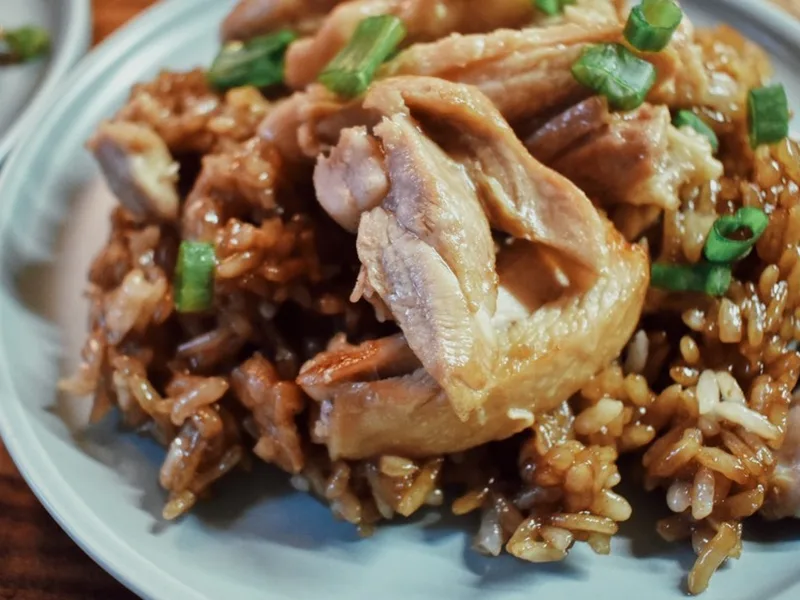
One-Pot Teriyaki Chicken and Rice
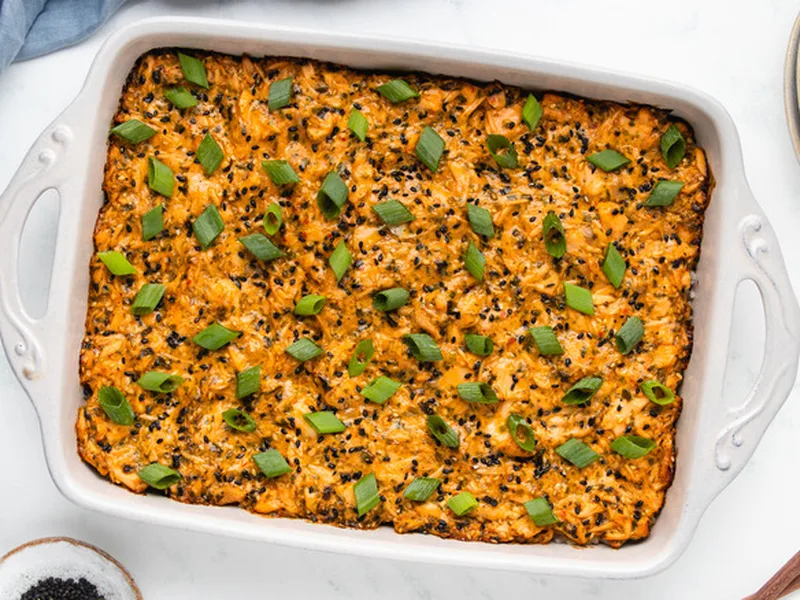
Spicy Salmon Sushi Bake with Sriracha Mayo
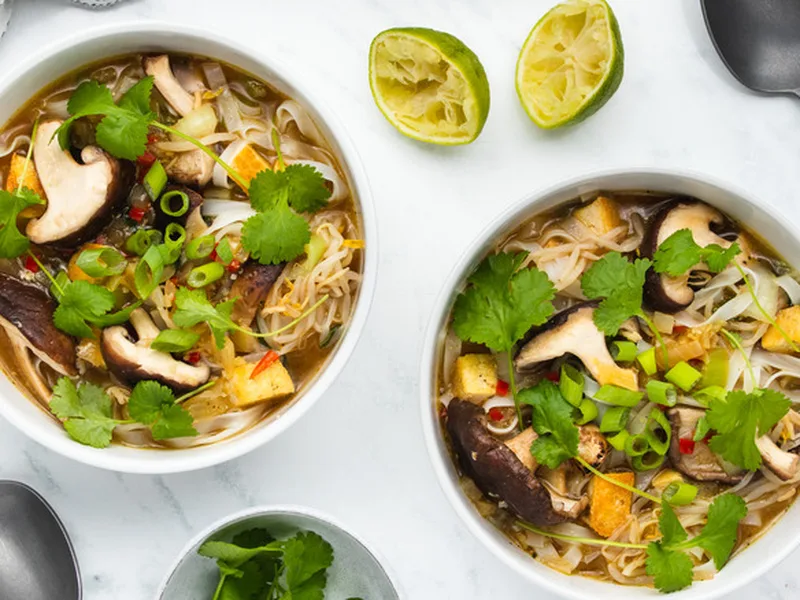
Vegan Mushroom Ramen with Miso Broth and Rice Noodles
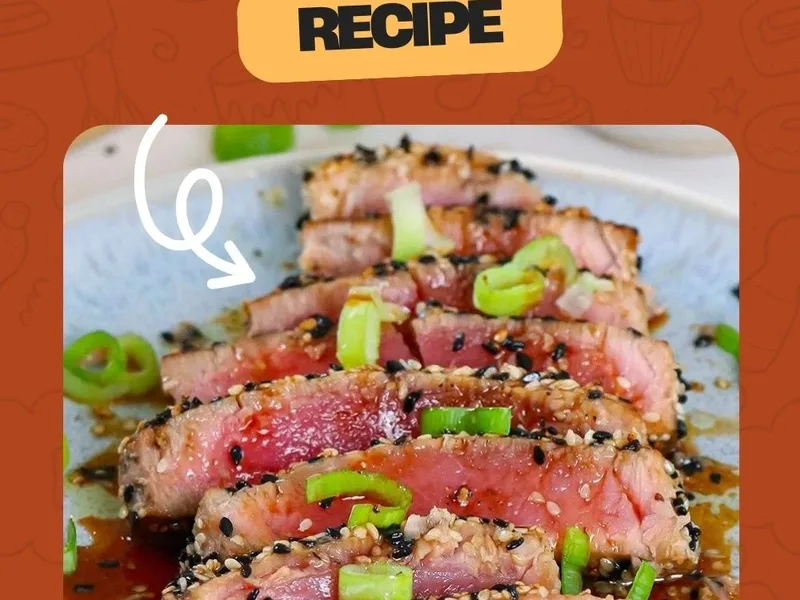
Sesame-Seared Tuna with Soy-Mirin Dipping Sauce
Matcha White Chocolate Truffles with Green Tea Powder
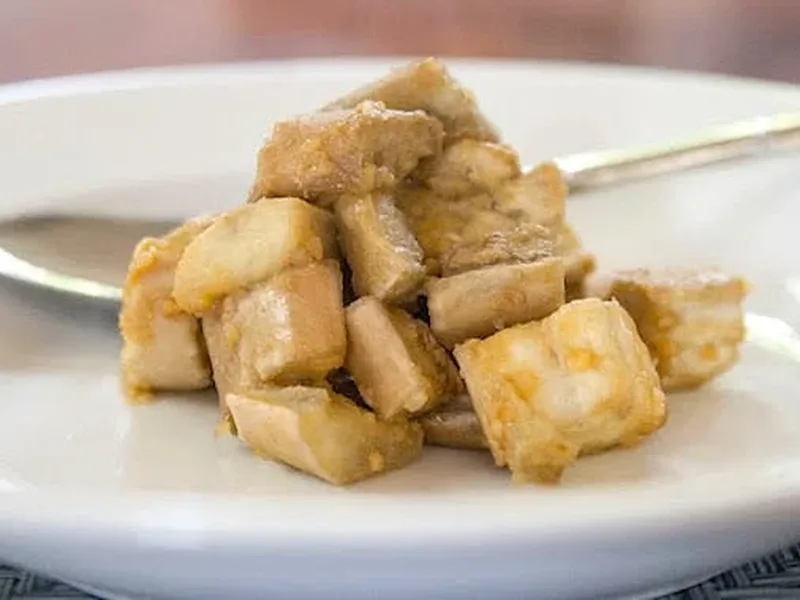
Red Miso Glazed Japanese Eggplant - Roasted with Sweet Sake Glaze
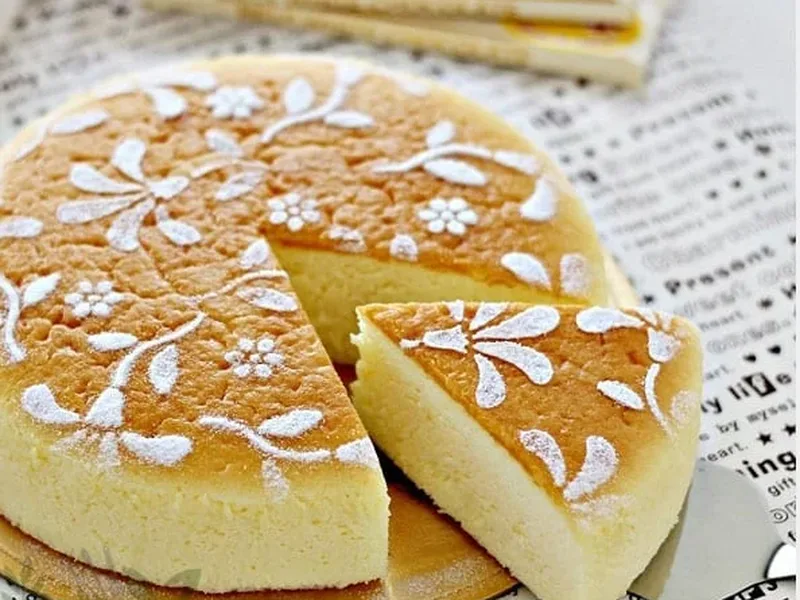
Japanese-Style Steamed Soufflé Cheesecake
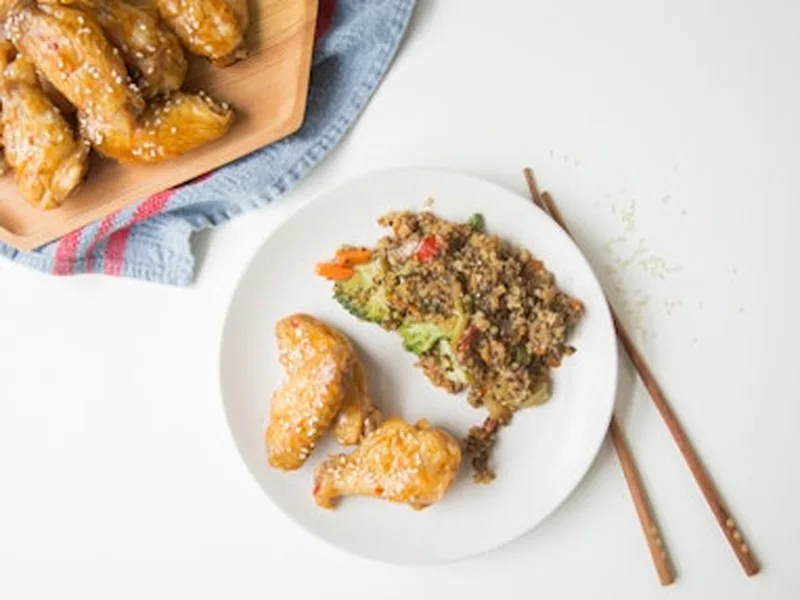
Crispy Oven-Baked Spicy Miso Chicken Wings with Quinoa
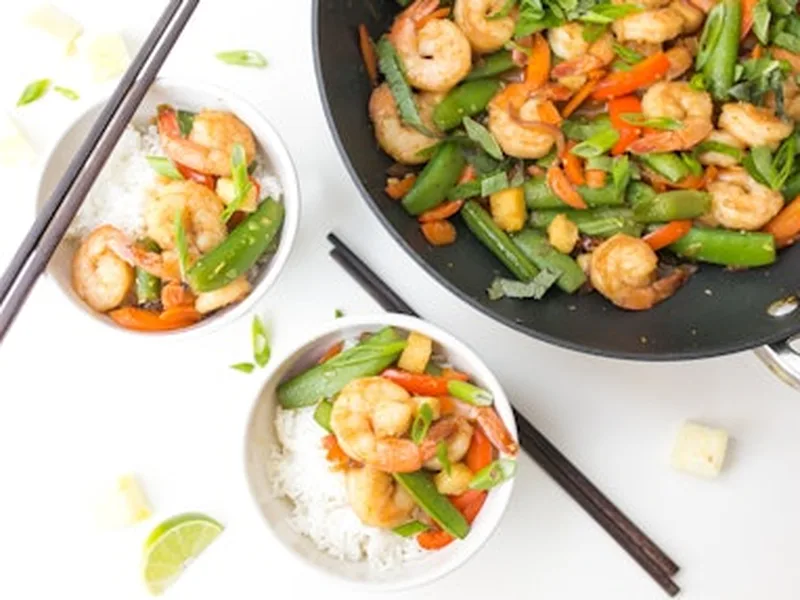
Teriyaki Tofu Stir-fry with Fresh Vegetables and Pineapple
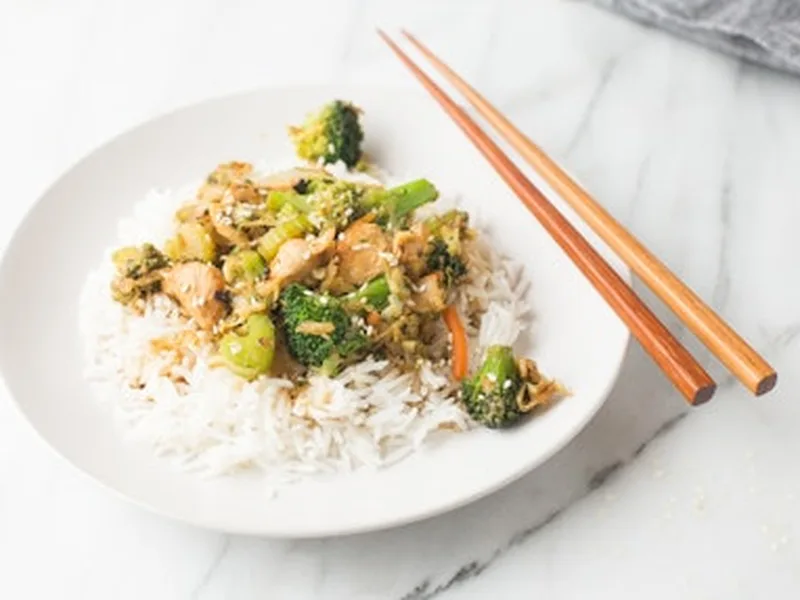
Crispy Tofu Yakitori Stir-Fry with Broccoli and Rice
Japanese cooking hits different. It's about balance, not power.
Your palate expects big flavors everywhere else. Japanese food whispers instead. Dashi broth tastes like ocean fog at 140F. Miso paste adds depth without shouting. Even the spicy stuff like shichimi togarashi sprinkles heat rather than burns.
Start with rice. Short-grain Japanese rice needs a 1:1.2 ratio of rice to water, rinsed until the water runs clear. Cook it right and each grain stands separate but sticky. This forms the base for everything from onigiri to chirashi bowls.
The magic happens in layers. Take teriyaki sauce: equal parts soy sauce and mirin, half that amount of sugar, simmered until it coats a spoon at 180F. Or ponzu: 3 parts soy sauce, 2 parts citrus juice, 1 part mirin. These ratios matter.
Soy sauce anchors most dishes. Light soy (usukuchi) for delicate soups. Dark soy (koikuchi) for marinades and dipping. Tamari if you skip wheat. Each brings different salt levels and colors.
Temperatures stay controlled. Tempura oil sits at exactly 340F to 360F. Too hot and the coating burns before the inside cooks. Too cool and you get greasy mush. Japanese omelettes cook over medium-low heat, rolled in layers.
The knife work looks intimidating but follows patterns. Julienne daikon into 2-inch matchsticks. Slice green onions on the bias at 45 degrees. Cut nori sheets with scissors, not knives.
Don't chase authenticity too hard. Japanese home cooks use mayo in their potato salad and put corn on pizza. They buy pre-made dashi powder. So can you.
This food rewards patience. Miso soup needs 3 minutes of gentle simmer, never a rolling boil. Onigiri rice cools to 100F before shaping. Anko bean paste takes 2 hours of slow cooking at 200F.
You'll mess up the first few times. Your sushi rice will be mushy. Your tempura will deflate. Keep going. Once you nail that first perfect batch of gyoza with crispy bottoms and tender tops, you'll understand why people obsess over this cuisine.
Essential Ingredients
Key Techniques
FAQ
What rice should I buy for Japanese cooking?
Buy short-grain or medium-grain Japanese rice, often labeled 'sushi rice.' It contains 20% amylopectin starch vs 15% in long-grain, creating the sticky texture. Rinse until clear and use a 1:1.2 rice to water ratio. A 5-pound bag costs $8-15 and makes about 30 cups cooked rice. Brands like Nishiki and Kokuho Rose work well.
Can I make Japanese food without special ingredients?
You can substitute some items but need at least soy sauce and rice vinegar. Replace mirin with 3 parts sake plus 1 part sugar. Use chicken stock with a splash of fish sauce instead of dashi. Swap panko for crushed cornflakes. But real miso paste and nori have no good substitutes. A basic Japanese pantry costs about $30-40 and lasts 6-12 months.
Why does my sushi rice turn out mushy?
Three common mistakes cause mushy rice. First, skipping the rinse leaves excess starch. Rinse 3-4 times minimum. Second, too much water. Use exactly 1.2 cups water per cup of rice. Third, lifting the lid while cooking releases steam. Cook 15 minutes covered, rest 10 minutes off heat, then fluff. The internal temperature should reach 212F during cooking then drop to 180F during rest.
How hot should oil be for tempura?
Maintain oil between 340F and 360F for proper tempura. At 320F, the coating absorbs oil and turns soggy. Above 375F, the outside burns before the inside cooks. Use a thermometer and fry in small batches of 3-4 pieces to maintain temperature. The oil drops about 25F when food goes in. Let it recover between batches. Properly fried tempura contains only 8-10% oil by weight.