One-Pot Recipes
583 recipes
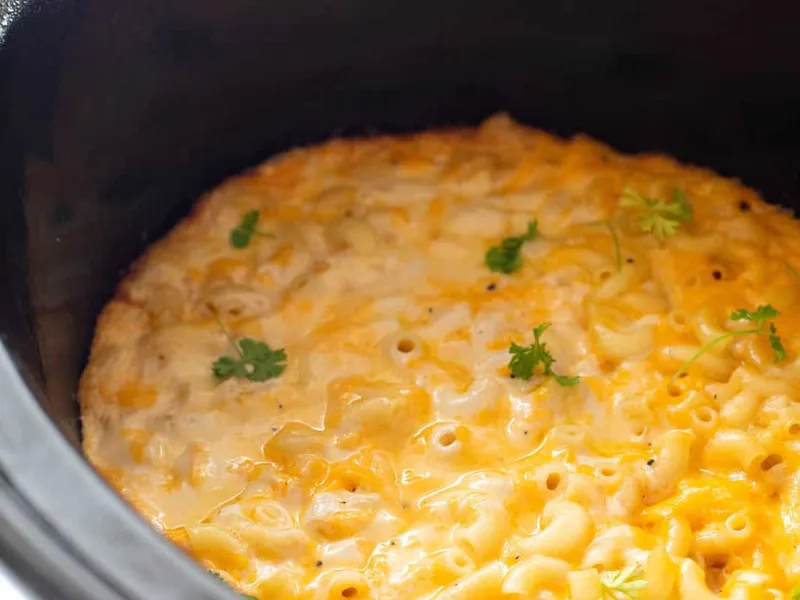
Easy Slow Cooker Mac and Cheese with Sharp Cheddar
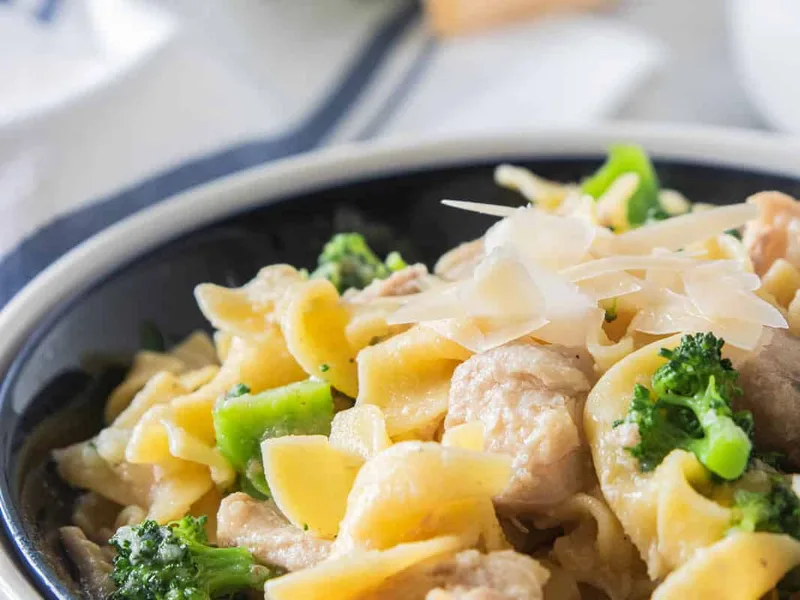
Slow Cooker Chicken and Broccoli with Egg Noodles
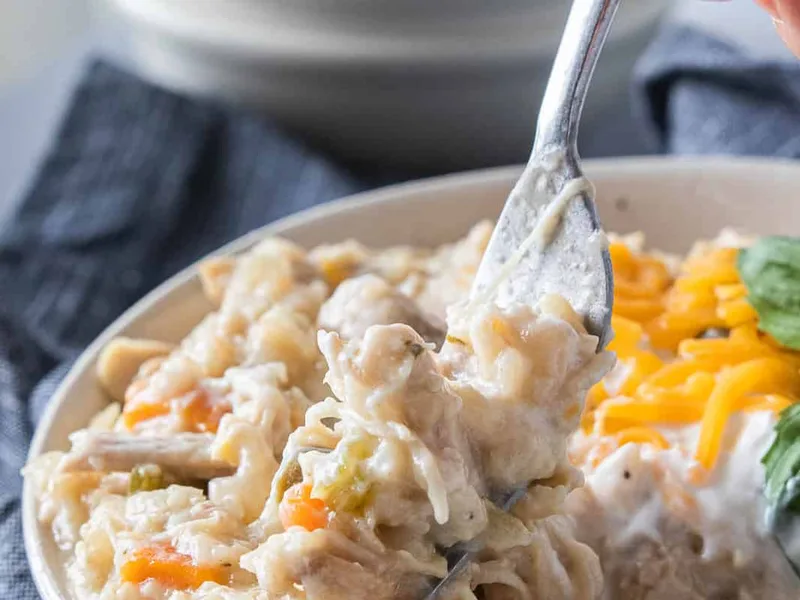
Slow Cooker Chicken and Rice with Ranch and Vegetables
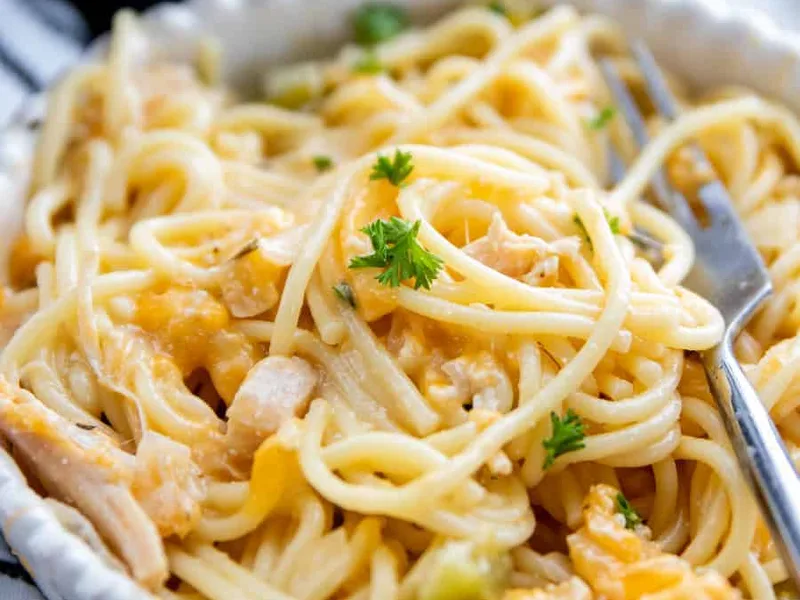
Instant Pot Creamy Ranch Chicken Spaghetti
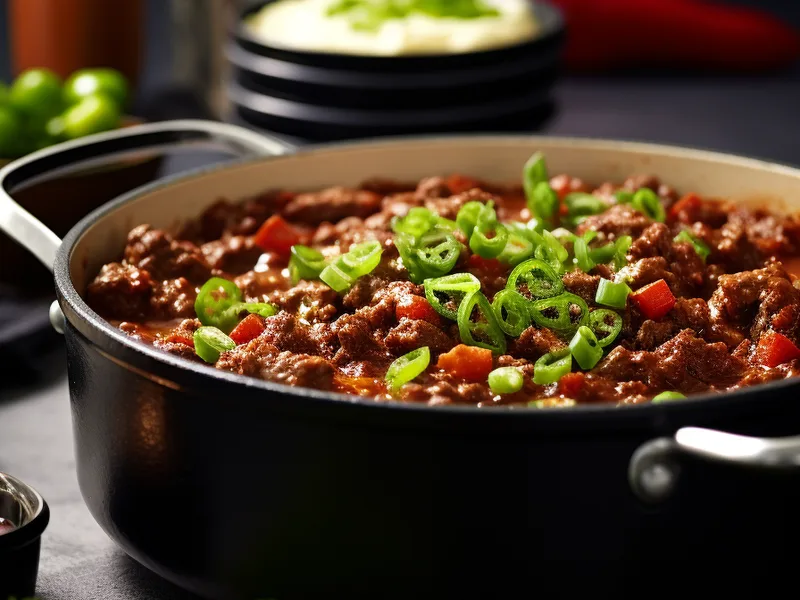
Classic Beef Chili with Bell Peppers and Spices
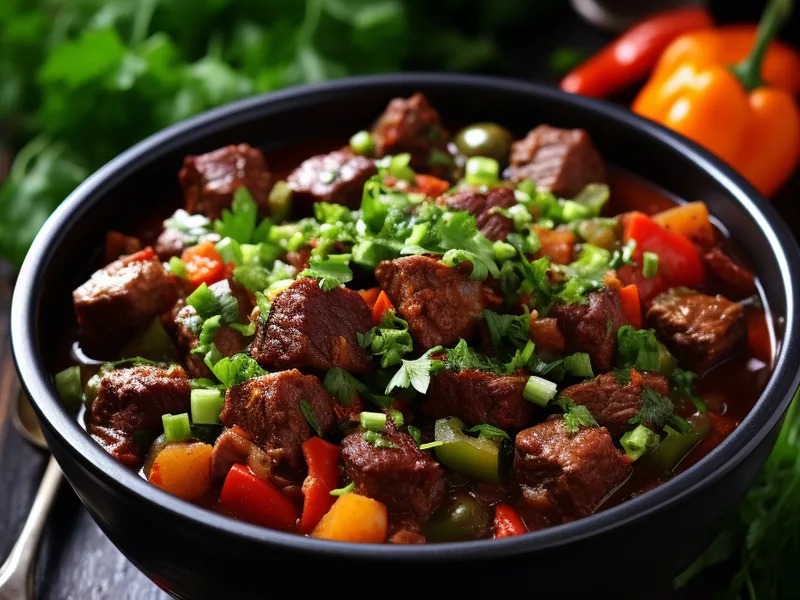
Low-Carb Venison Chili with Bell Peppers and Spices
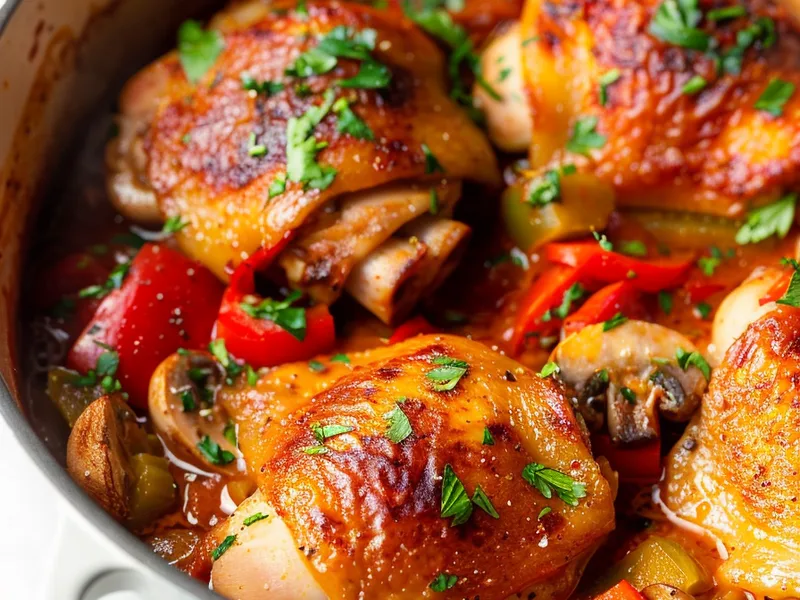
Dutch Oven Chicken Cacciatore with Bell Peppers and Mushrooms
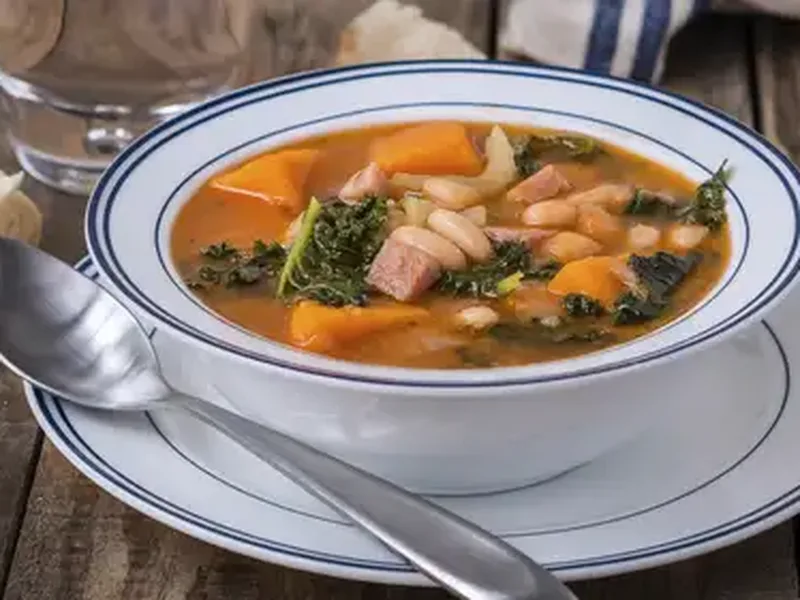
Hearty Bean and Butternut Squash Soup with Pork
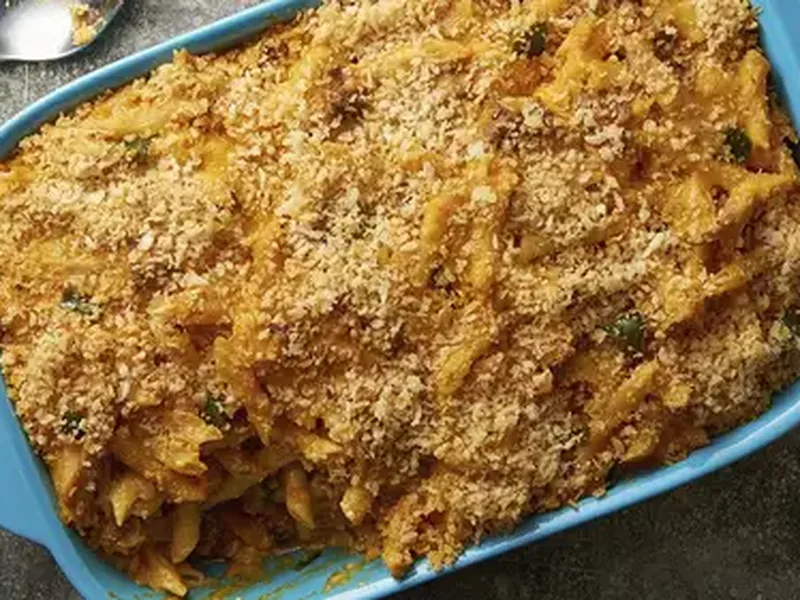
Chicken Chorizo and Poblano Pasta Bake with Cheese Sauce
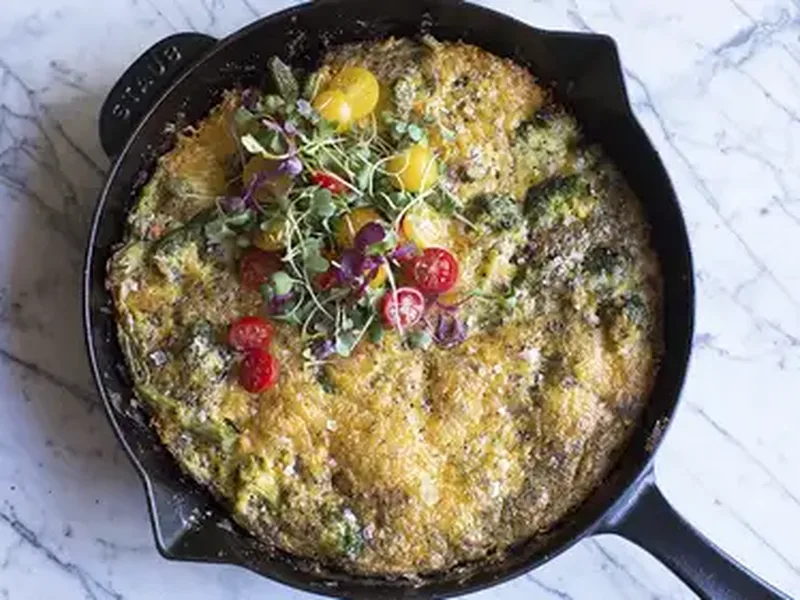
Easy Vegetable Frittata Skillet with Broccoli and Asparagus
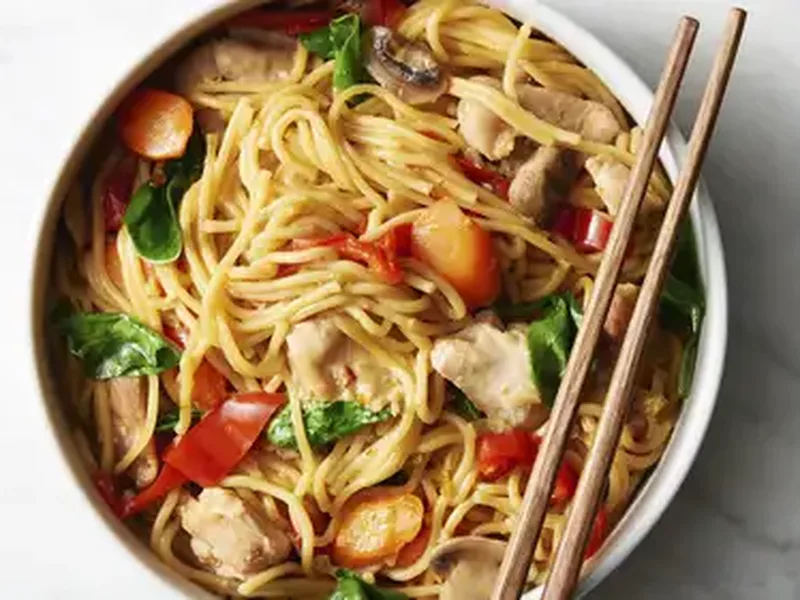
Instant Pot Chicken Lo Mein with Fresh Vegetables
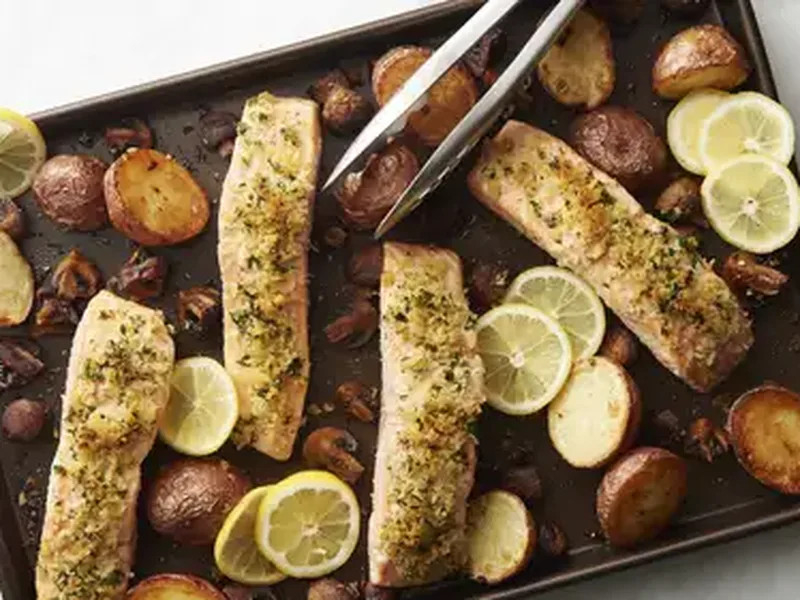
One-Pan Roasted Salmon with Herb-Crusted Potatoes and Mushrooms
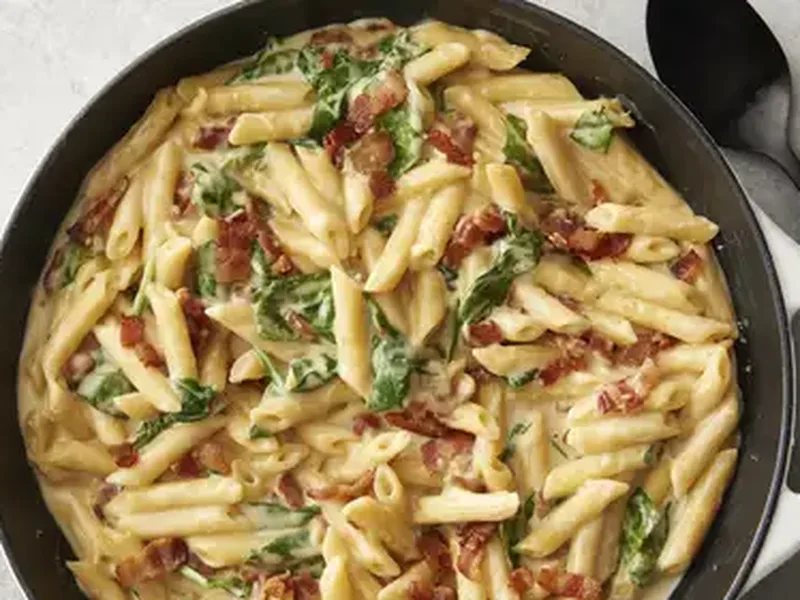
One-Pot Smoky Bacon Mac and Cheese with Gouda and Spinach
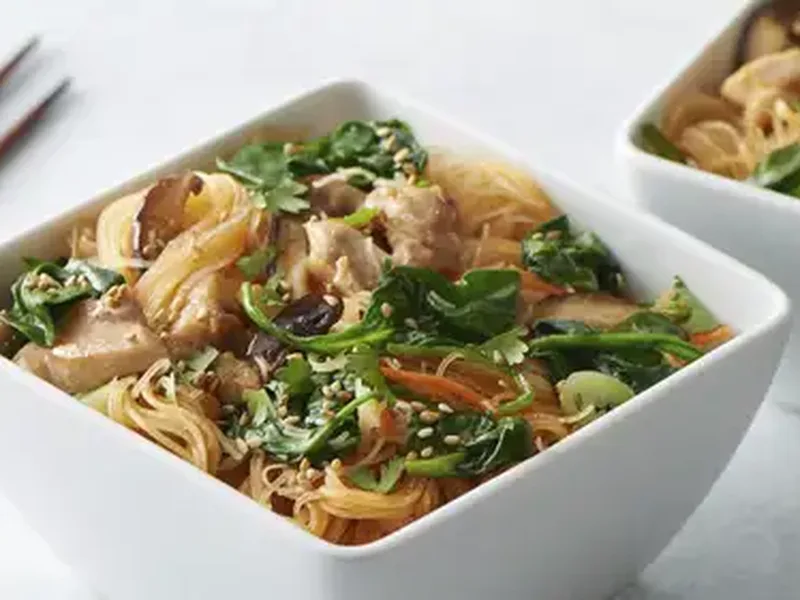
One-Pot Gochujang Chicken Stir-Fry Noodles
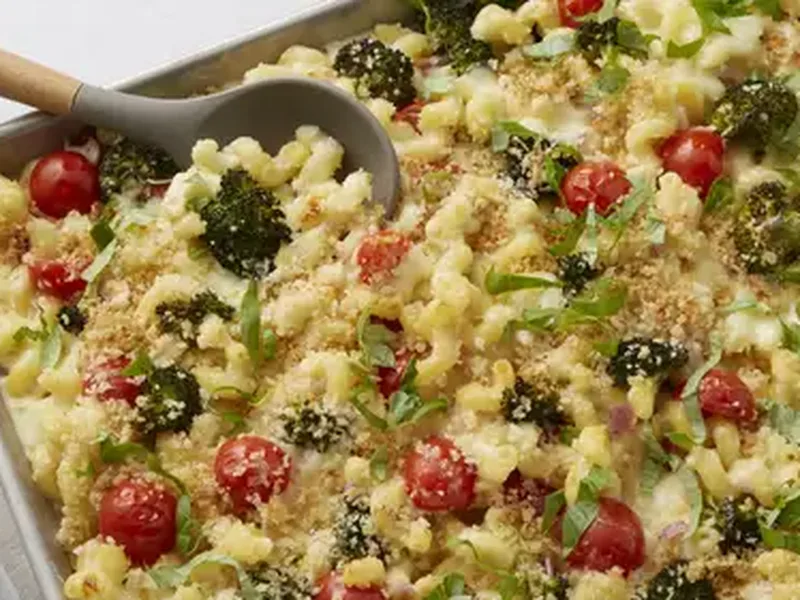
Sheet Pan Cheesy Pasta with Roasted Broccoli and Crispy Panko
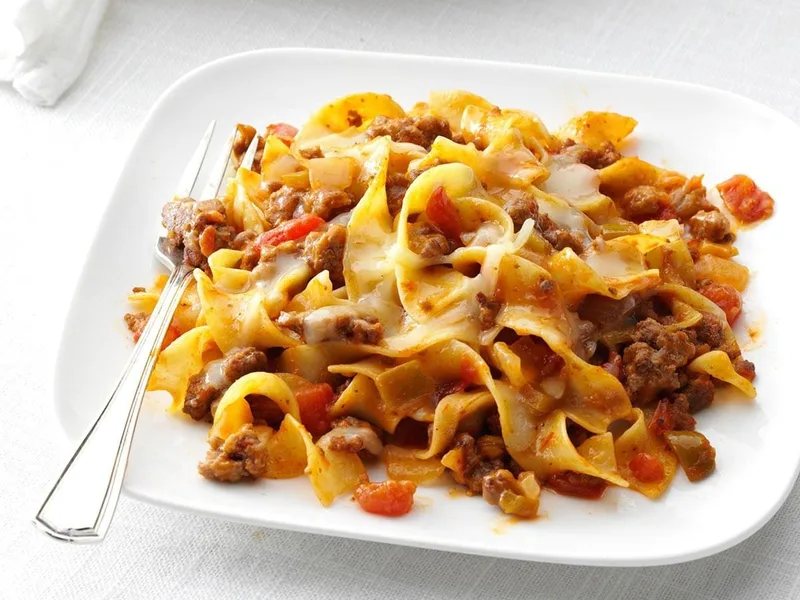
Fiesta Beef and Noodle Skillet
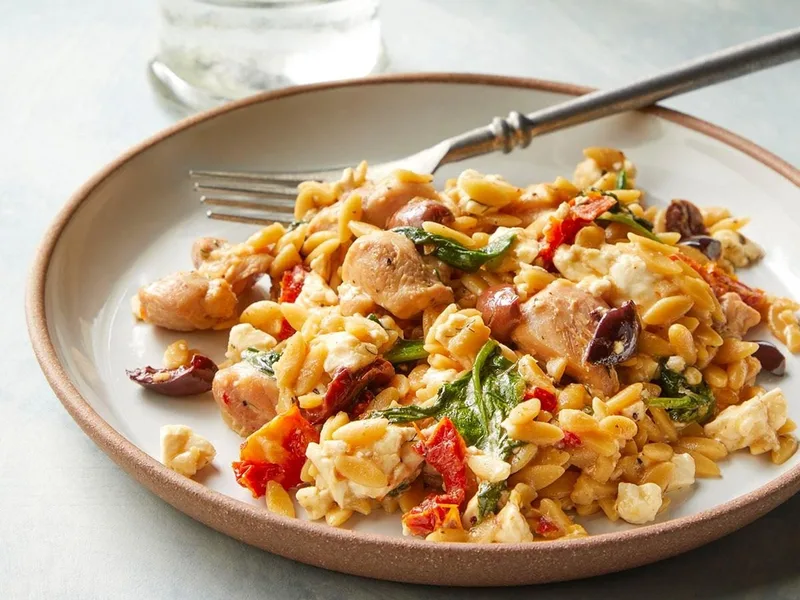
Slow-Cooked Lemon Chicken Orzo with Feta and Spinach
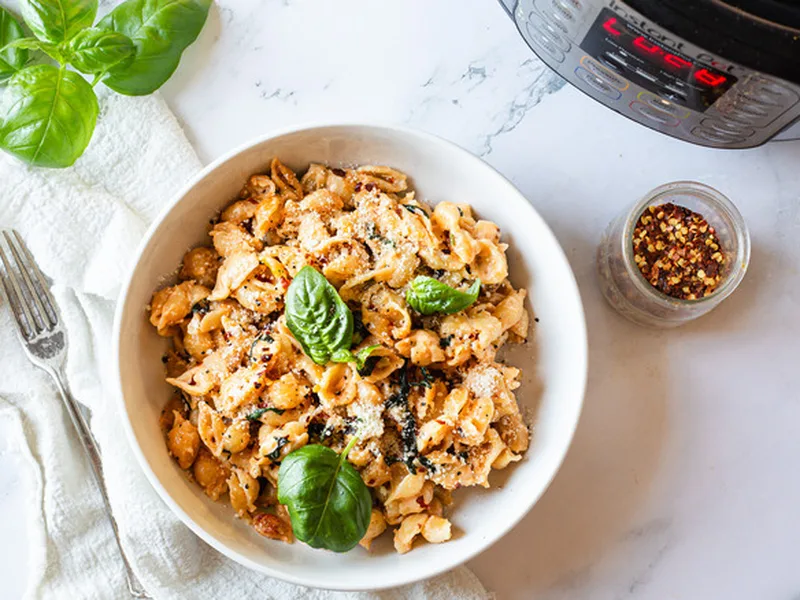
Instant Pot Vodka Pasta with Cream and Basil
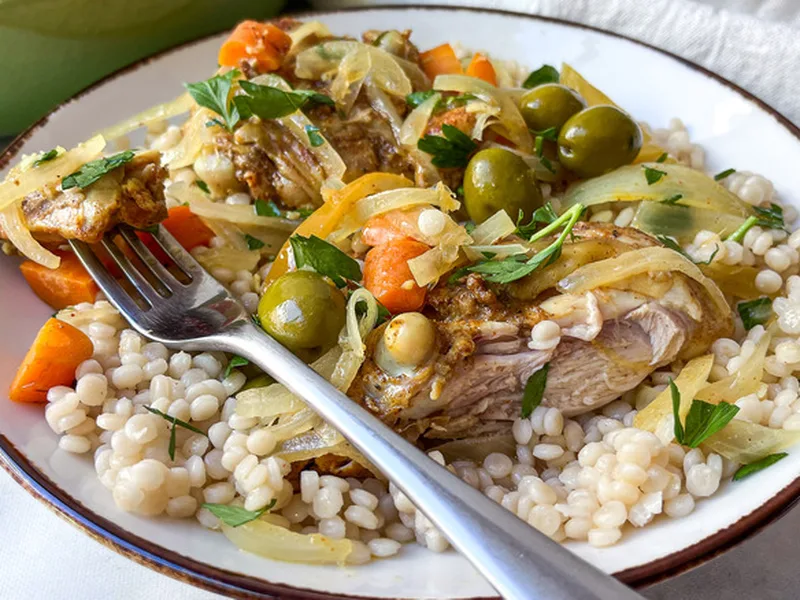
One-Pan Chicken Tagine with Preserved Lemon
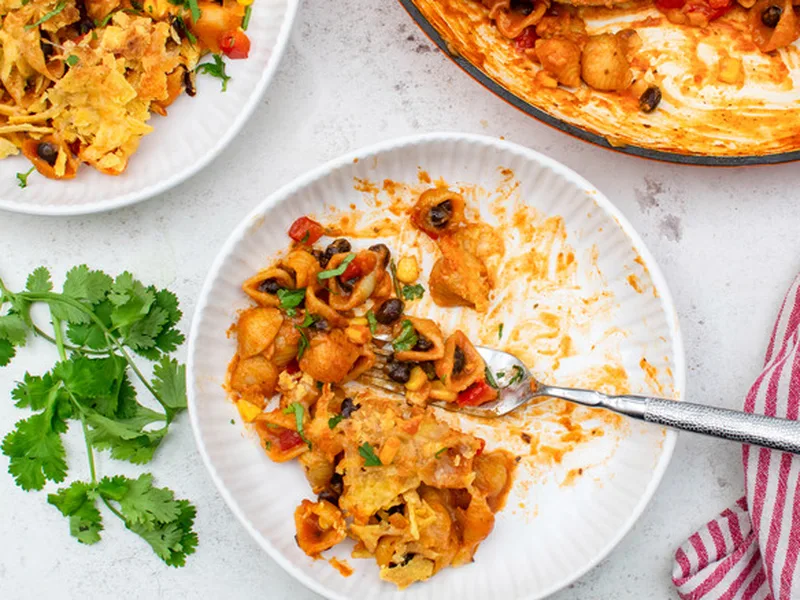
One-Pan Black Bean and Corn Taco Pasta with Melted Cheese
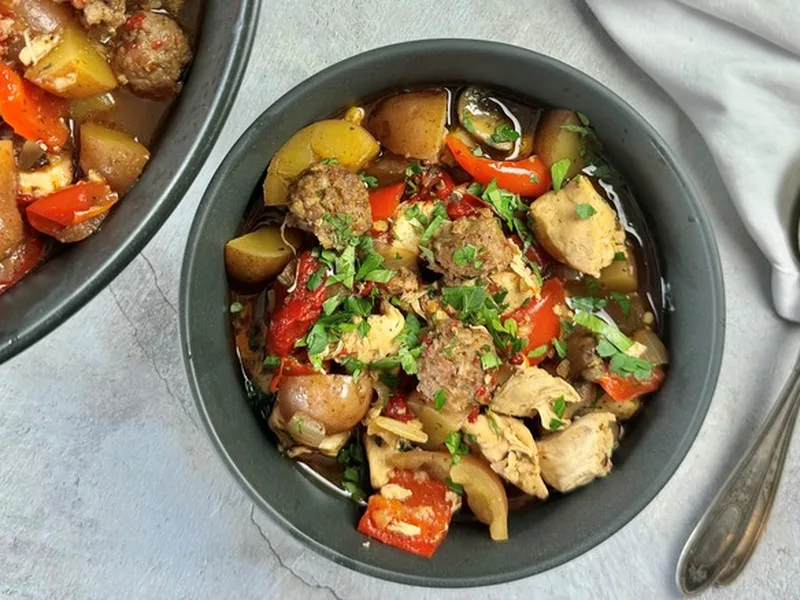
Classic One-Pot Chicken Murphy with Sausage and Peppadews
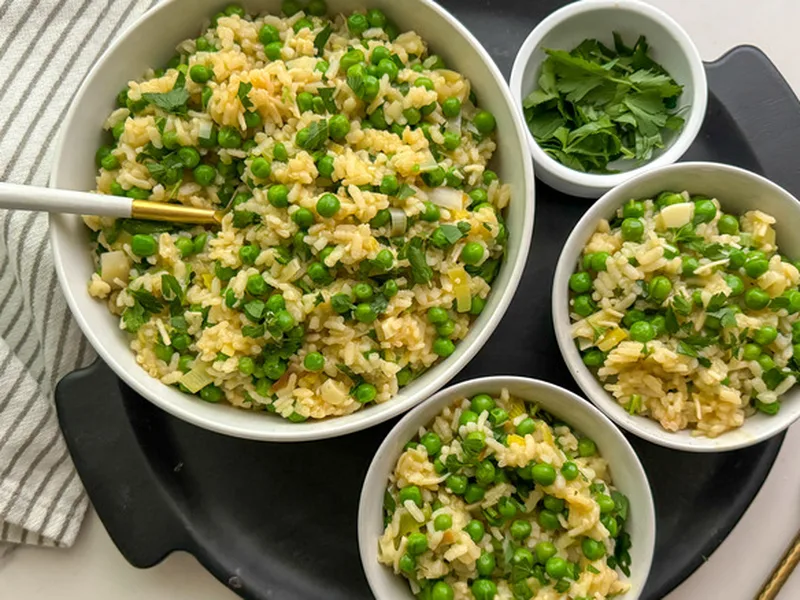
Easy Spring Risi E Bisi with Peas and Parmesan
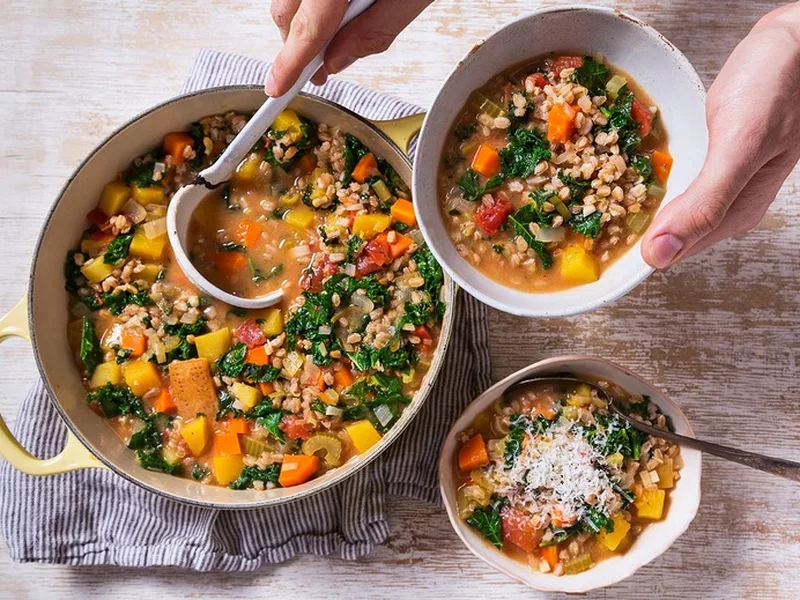
Creamy Kale and Farro Soup with Butternut Squash
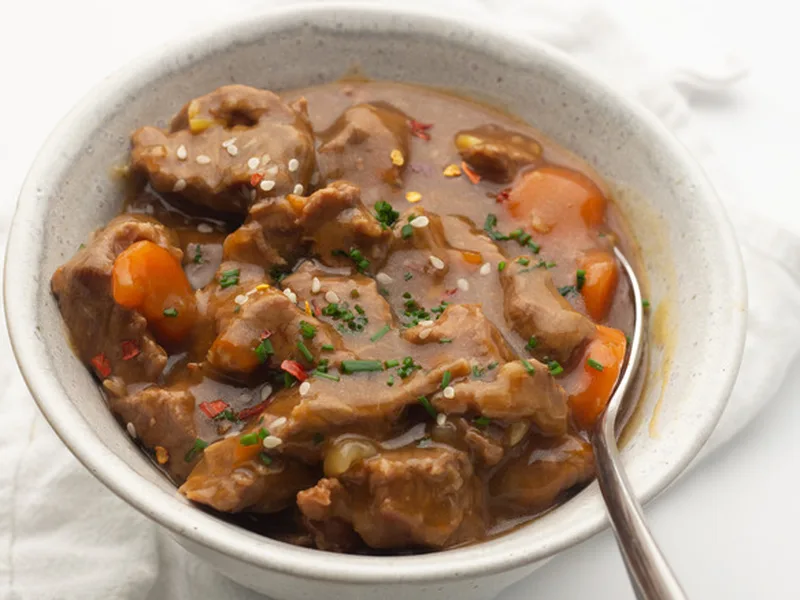
Korean Beef Stew with Sesame Oil and Soy Sauce
One-pot cooking means everything goes into a single vessel. Your pasta cooks right in the sauce. Your rice absorbs the chicken stock while the meat browns on top. The vegetables steam themselves tender in the liquid below. This method works best when you want dinner in 45 to 90 minutes without juggling multiple pans. Most one-pot recipes follow a pattern: brown your protein first at 350°F to 400°F, then add aromatics like onion and garlic for 2 to 3 minutes, pour in liquids, add starches last. The trick is timing. Add ingredients based on their cook times. Chicken thighs need 35 minutes. Carrots take 20 minutes. Fresh spinach wilts in 2 minutes. Layer them accordingly. One-pot differs from braising because you use less liquid, typically a 2:1 ratio of liquid to grain rather than submerging everything. It differs from slow cooking because you work at medium to medium-high heat on the stovetop or 375°F in the oven. The pasta releases starch directly into the sauce, making it thicker. The rice soaks up every drop of flavor from the meat drippings. Your dishwasher thanks you later. Pick a heavy-bottomed pot that holds at least 5 quarts. Cast iron Dutch ovens distribute heat evenly and go from stovetop to oven. Stainless steel works if it has a thick base. Avoid thin aluminum pots that create hot spots. The lid matters too. A tight seal traps steam and speeds cooking by 15 to 20 percent.
Equipment
FAQ
How much liquid do I need for one-pot pasta?
Use 4 cups of liquid for every pound of pasta, which gives you a 1:4 ratio by weight. This amount accounts for absorption and evaporation during the 12 to 15 minute cooking time. Add an extra 0.5 cup if you want saucier results. Stock adds more flavor than water, but the pasta starch will thicken whatever liquid you use into a light sauce.
Can I convert regular recipes to one-pot?
Yes, but reduce liquids by 30% since there's less evaporation with the lid on. If a soup calls for 6 cups of broth, start with 4 cups. Add ingredients based on cooking times, starting with items that need 30+ minutes and ending with 5-minute vegetables. Brown meat first at 375°F before adding liquids.
Why does my rice burn on the bottom?
Three fixes: First, use medium-low heat once you add rice, around 225°F to 250°F on an electric burner. Second, resist stirring after the first 5 minutes since agitation releases starch that sticks. Third, place a heat diffuser or cast iron griddle under thin-bottomed pots to spread the heat more evenly.
What's the difference between one-pot and dump-and-go slow cooker recipes?
One-pot recipes use active heat at 300°F to 400°F and finish in 30 to 90 minutes. You brown ingredients first and add them in stages. Slow cooker dump recipes cook at 190°F to 210°F for 4 to 8 hours with everything added at once. One-pot gives you caramelized edges and reduced sauces. Slow cookers produce softer textures and more liquid.